A massive waste pile collapsed on a Maharashtra waste‑to‑energy facility, killing nine workers. After an arduous 83‑hour rescue mission, the last missing body was recovered, intensifying calls for accountability, compensation and a probe into possible negligence.
Key Takeaways
- Waste‑to‑energy plant in Moshi collapses, 9 fatalities
- 83‑hour rescue saves 14 out of 23 workers
- Company offers Rs 25 lakh compensation, job guarantee and education support
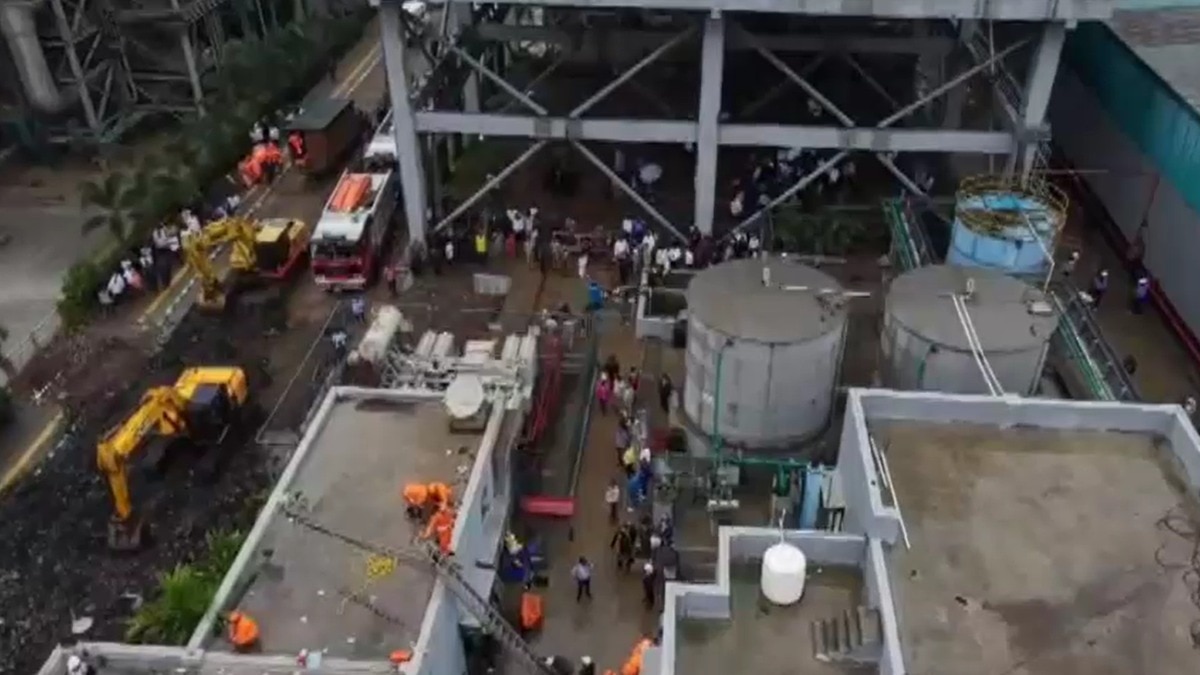
On July 8, a towering mound of municipal waste gave way onto the administrative block of the Moshi waste‑to‑energy project in Maharashtra, trapping 23 employees inside. Five workers escaped on their own, nine were pulled out alive by rescuers, and nine lost their lives – making it one of the deadliest industrial accidents in the state in recent months.
Grim Rescue Operations
Teams from the Indian Army, National Disaster Response Force (NDRF), fire services, police and the Pimpri‑Chinchwad Municipal Corporation worked round‑the‑clock for four days, logging a total of 83 hours under hazardous conditions. Toxic gases, unstable waste heaps, collapsed concrete beams and heavy pillars turned every minute into a life‑threatening challenge. On Saturday, rescuers demolished a section of the damaged building to create an entry point, retrieving seven bodies in succession. The operation concluded early Sunday at around 1 a.m. when the body of the final missing worker, Vaman Kasbe, was recovered.
Compensation Package
In the wake of the tragedy, the project’s contractor announced a financial assistance of Rs 25 lakh for each bereaved family. The package also includes a guaranteed job for one family member and coverage of the victims’ children’s education expenses. However, officials later clarified that the payout would flow through the employees’ group insurance scheme rather than a direct corporate disbursement, sparking debate over the adequacy and transparency of the relief.
Calls for Accountability
With the rescue phase over, attention has shifted to legal and regulatory scrutiny. Questions loom over whether criminal proceedings will be launched against the main contractor, Antony, and whether the Pimpri‑Chinchwad Municipal Corporation will be held liable for oversight failures. Victims’ families and local residents are demanding a thorough investigation into possible negligence that may have precipitated the collapse.
Implications for the Waste‑to‑Energy Sector
The incident throws a spotlight on safety standards across India’s burgeoning waste‑to‑energy industry. Experts warn that without stringent design audits, continuous monitoring of waste piles, and robust worker‑training programmes, similar catastrophes could recur. The tragedy may prompt policymakers to tighten regulations, enforce stricter compliance checks, and invest in advanced waste‑handling technologies to safeguard both workers and surrounding communities.