A 92‑year‑old retired army officer alleges his allotted land in Rajasthan was sold using forged documents. Police say further action will follow the investigation’s findings.
Key Takeaways
- 92‑year‑old army veteran accuses forged paperwork of illegal land sale.
- Rajasthan authorities promise action after a thorough probe.
- Case raises concerns about elder‑citizen protection in land‑fraud incidents.
In a quiet village of Rajasthan, retired army officer Ram Prasad, now 92, filed a formal complaint with local police alleging that his government‑allocated agricultural plot was sold without his consent using counterfeit documents. The allegation spotlights a growing trend of land‑fraud schemes that often prey on senior citizens, who may lack the resources to verify complex paperwork.
Historical Context and Systemic Issues
India’s land‑allocation framework, especially in large states like Rajasthan, has long been riddled with bureaucratic opacity. Over the past two decades, reports of forged title deeds, fake sale agreements, and unauthorized transfers have surged. Elderly beneficiaries, many of whom are ill‑versed in legal nuances, become vulnerable targets for unscrupulous intermediaries.
Details of the Veteran’s Claim
According to Mr. Prasad, the 2‑acre plot was allotted to him in 2010 under a state agricultural scheme. In early 2022, he received an unexpected notice stating that the land had been transferred to a local real‑estate broker. The accompanying sale deed bore signatures that Mr. Prasad asserts are forged, and the supporting documents contain falsified dates and altered land‑record entries.
Police Response and Investigation Roadmap
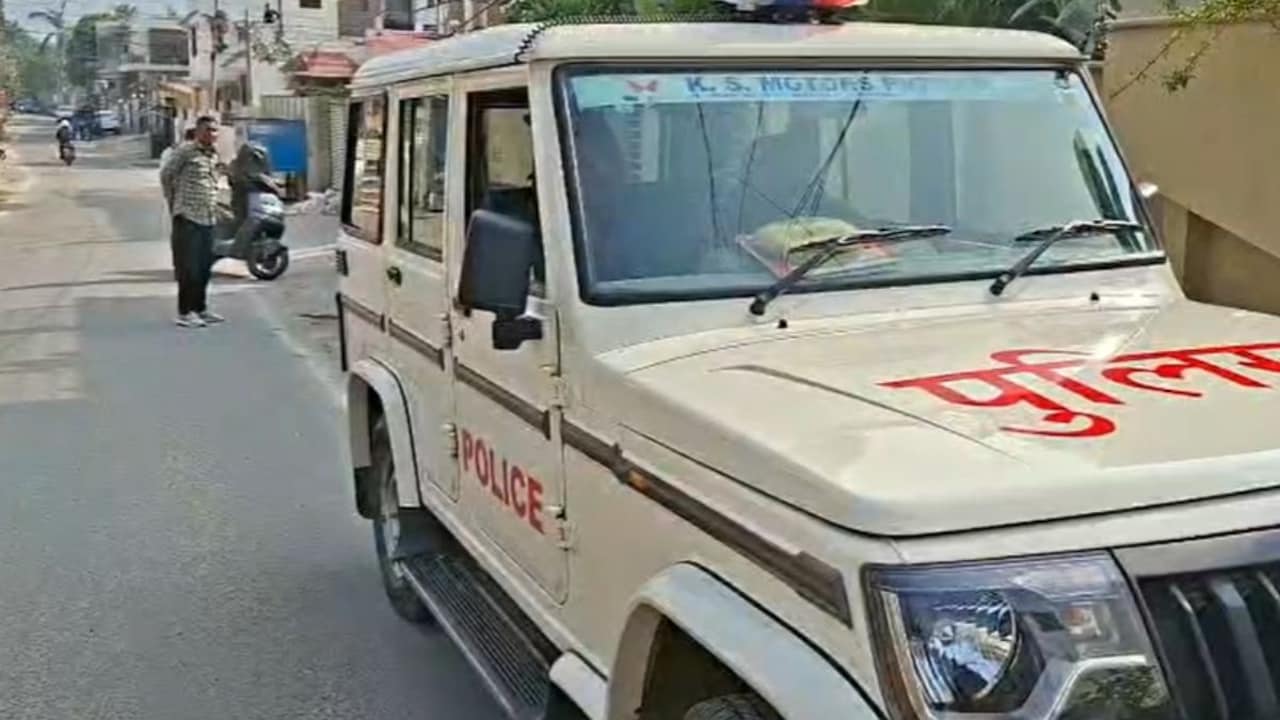
Rajasthan police have logged the complaint and announced a multi‑pronged investigation. Officials will verify the authenticity of the alleged forged documents, cross‑check registry entries, and conduct forensic analysis of signatures. “Based on the investigation’s findings, appropriate legal action will be taken,” a spokesperson said. The probe will also involve interviewing witnesses, tracing any digital transaction trails, and reviewing the broker’s licensing records.
Potential Implications
If the investigation confirms document fraud, the case could set a precedent for stronger safeguards around land allocation to senior citizens. Experts suggest that digitising land records, instituting mandatory third‑party verification, and launching awareness campaigns could mitigate future abuses. Moreover, a successful prosecution would reinforce public confidence in Rajasthan’s land‑governance mechanisms, which have been under scrutiny after several high‑profile frauds nationwide.