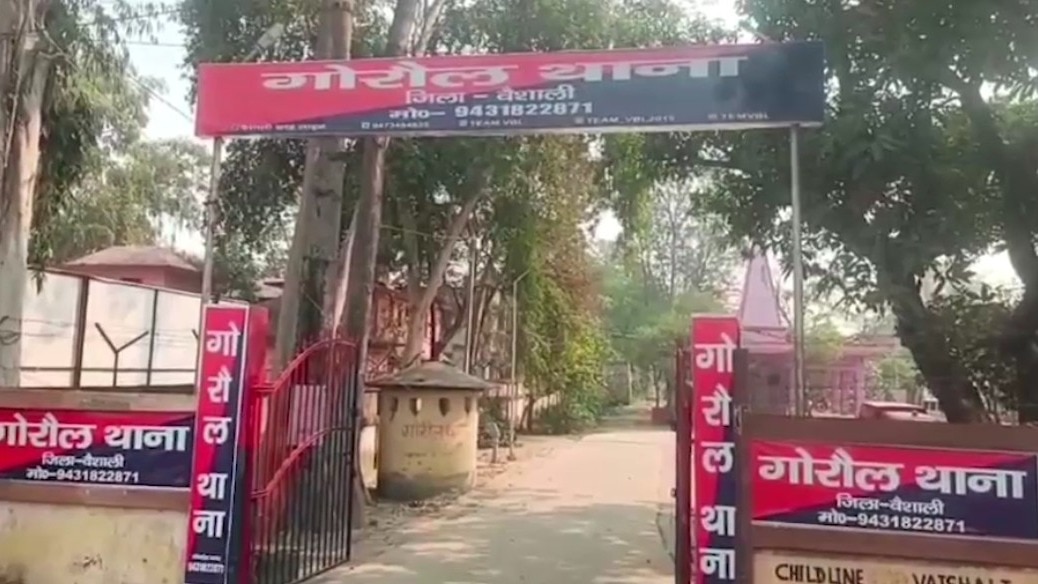
A Home Guard constable from Vaishali alleges kidnapping and sexual assault, while police argue the incident stems from an earlier personal relationship with the accused. The investigation remains ongoing.
Key Takeaways
- The constable and accused allegedly shared a prior personal relationship
- Police downplay kidnapping‑rape claims, framing it as a dispute‑driven assault
- Medical examination and possible court‑marriage verification are part of the probe
In Bihar’s Vaishali district, a female Home Guard constable has accused Subodh Paswan and his associates of kidnapping her and her minor sister, followed by a brutal sexual assault. The allegation has sparked fresh debate over gender‑based violence within India’s security forces.
Incident Details
According to the constable’s family, the two women were returning from a local market when Paswan, his brother, and two other men allegedly seized them. The victims were allegedly confined inside a house where the constable was repeatedly assaulted. The family says they alerted police immediately; officers arrived, rescued the constable, but the accused fled the scene.
Police Narrative
Sub‑Divisional Police Officer (SDPO) Sanjeev Kumar presented a contrasting version, stating that the constable and Paswan had previously been in a relationship. Kumar claimed that after the constable secured her posting, she began distancing herself, leading to a personal dispute that culminated in the alleged molestation. He emphasized that the case does not involve kidnapping or rape, and that the constable has been sent for a medical examination. A formal FIR will be lodged once the family files a complaint.
Investigation Status
Authorities have launched multiple raids to apprehend Paswan and his accomplices. Police are also probing whether the two parties had entered into a court‑registered marriage—a claim that remains unverified. The constable is currently hospitalized for treatment and a forensic‑medical examination is underway.
Broader Implications
The episode underscores the vulnerability of women serving in uniformed roles, prompting civil‑society groups and women’s rights activists to demand stricter safeguards and swift judicial action. Should the alleged prior relationship be substantiated, it could raise questions about the intersection of personal misconduct and professional duty within law‑enforcement agencies.