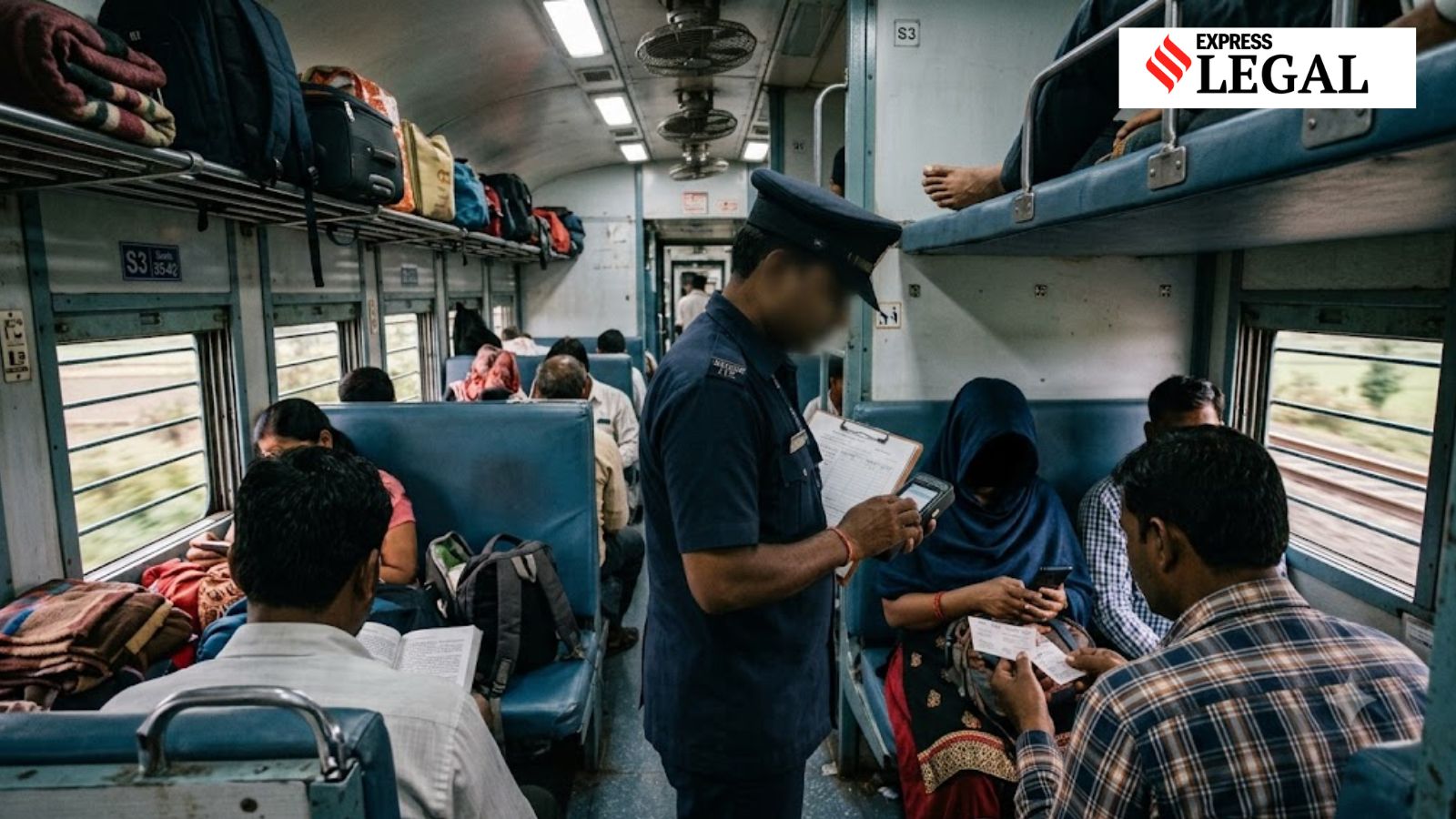
The Calcutta High Court acquitted two accused in a 2009 train murder case, while sharply criticizing ticket examiners (TTEs) for selling vacant berths like vegetables. The court ordered stricter railway security measures and warned of severe penalties for corrupt TTE practices.
Key Takeaways
- Calcutta High Court calls TTE corruption ‘selling berths like vegetables’.
- Two accused were acquitted of murder due to lack of intent.
- Police directed to take immediate, diligent steps to improve rail passenger safety.
The Calcutta High Court, on July 7, delivered a landmark judgment acquitting two men previously convicted in a 2009 train homicide case. The bench held that the prosecution failed to prove a murderous intent, establishing theft as the sole motive.
Corrupt Practices of Ticket Examiners (TTEs)
Judges Rajasekhar Mantha and Biswaroop Chowdhury blasted TTEs for illegally allocating vacant berths to unreserved passengers for cash, likening the act to “selling vegetables in a market.” The practice not only violated passenger rights but also contributed directly to the fatal incident.
Background of the Incident
On February 23, 2009, the Teesta‑Torsa Express traveling from New Jalpaiguri to Sealdah carried two passengers, Sunil Kumar Das and Arun Chakraborty, who boarded with unreserved tickets and secured berths by paying TTEs. Upon arrival at Sealdah, Das was found dead in a semi‑conscious state, while Chakraborty survived after intensive medical care.
Prosecution’s Allegations and Investigation Flaws
The prosecution alleged that the accused befriended passengers, offered food or drinks laced with sedatives, rendered them unconscious, and then stole their valuables. However, the High Court highlighted glaring lapses in the investigation—describing it as “half‑hearted” and “inexcusable.” The court ordered police to adopt “sincere, diligent, and devoted” measures to safeguard rail travelers.
Court’s Verdict and Future Directions
While acknowledging the tragic outcome, the bench emphasized that the evidence did not establish a pre‑meditated intent to kill. Consequently, the accused were cleared of murder charges, though their involvement in a pattern of theft was noted. The judgment was forwarded to the General Manager of Eastern Railway and other railway authorities to enforce maximum penalties on TTEs engaging in such malpractice.
The ruling sends a strong signal that systemic corruption within Indian Railways will no longer be tolerated, and it calls for comprehensive reforms to protect passengers from similar threats.