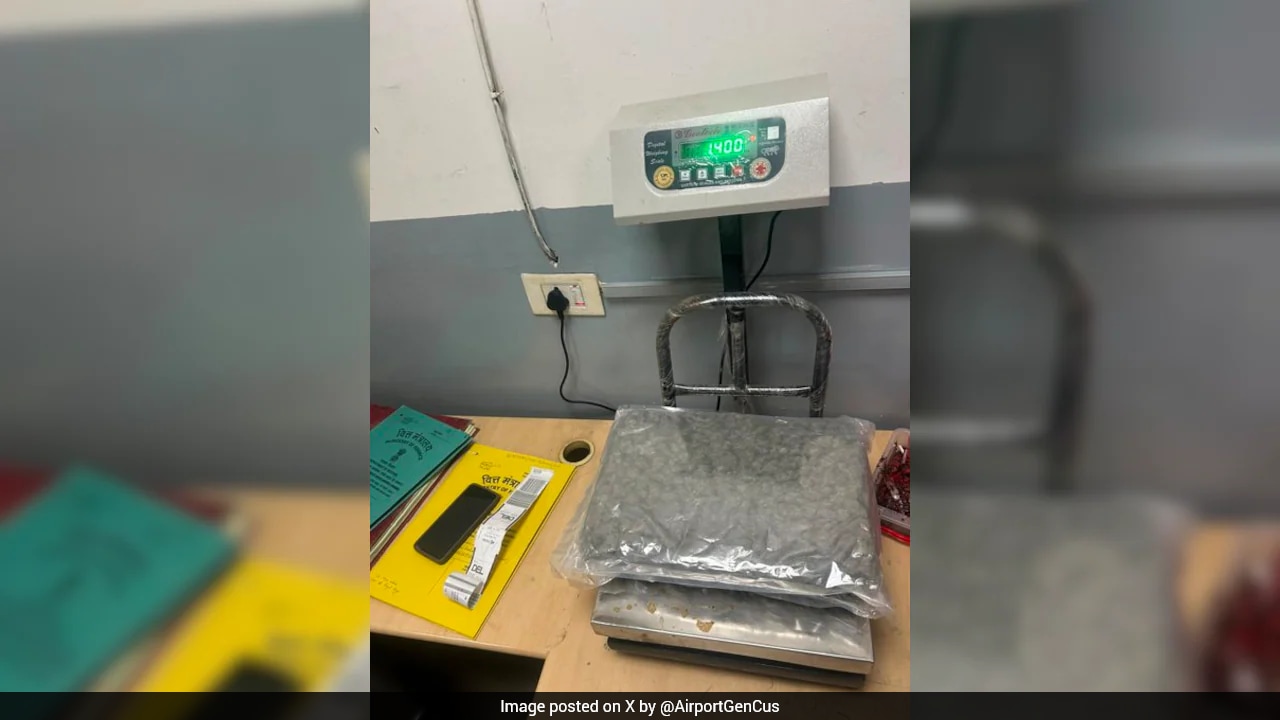
Customs officials at Delhi International Airport confiscated 6.37 kilograms of hydroponic cannabis and detained three passengers on smuggling charges. The bust highlights growing concerns over drug trafficking and public health in India.
मुख्य बिंदु (Key Takeaways)
- 6.37 kg hydroponic cannabis seized at Delhi Airport
- Three passengers arrested for drug smuggling
- Customs employed advanced scanning and intelligence tools
At Indira Gandhi International Airport, Delhi, customs officers intercepted a sizable shipment of hydroponic cannabis weighing 6.37 kilograms. The drug, cultivated in a controlled, soil‑free environment, is known for its high potency and purity. The seized quantity was hidden across the luggage of three separate travelers arriving on regular international flights.
Modus Operandi and Customs Response
Investigators discovered that the smugglers compartmentalized the hydroponic plants into small, airtight containers, then concealed them within personal baggage. Using state‑of‑the‑art X‑ray scanners and QR‑code‑linked cargo tracking, customs staff flagged the irregularities and seized the contraband. Sources indicate that the same network has attempted similar operations over the past two years, but enhanced vigilance this time prevented a larger breach.
Legal Implications and Potential Penalties
Under the Narcotic Drugs and Psychotropic Substances (NDPS) Act of 1961, the cultivation, possession, and distribution of cannabis are strictly prohibited in India. Hydroponic cannabis, often possessing higher THC concentrations, attracts the harshest penalties. The three detained individuals are slated to appear before a Delhi court, where they could face up to 20 years of imprisonment and substantial fines.
Public Health and Security Impact
Hydroponic cannabis’s elevated potency raises concerns about increased abuse potential, especially among youth. Health experts warn that unchecked smuggling can exacerbate mental health challenges nationwide. By publicising the seizure, customs aims to signal a zero‑tolerance stance, encouraging stricter enforcement and heightened public awareness.
Future Enforcement Strategies
Customs officials disclosed plans to deepen cooperation with foreign law‑enforcement agencies, particularly those in countries where hydroponic cultivation is prevalent. They also intend to tighten baggage inspection protocols in partnership with airlines, making it harder for traffickers to exploit loopholes. Such measures could serve as a blueprint for combating sophisticated drug networks beyond India’s borders.