Amid rising tensions in the Strait of Hormuz, India has ordered a real‑time dashboard to track every Indian seafarer and appointed a single‑point liaison officer for families of those killed or injured. The measures aim to curb further casualties after nine deaths, one presumed missing, and seven injuries since the West Asia crisis began.
Key Takeaways
- 9 Indian seafarers killed, 1 presumed dead, 7 injured
- Real‑time operational dashboard for every Indian crew member
- Dedicated liaison officer as single point of contact for families
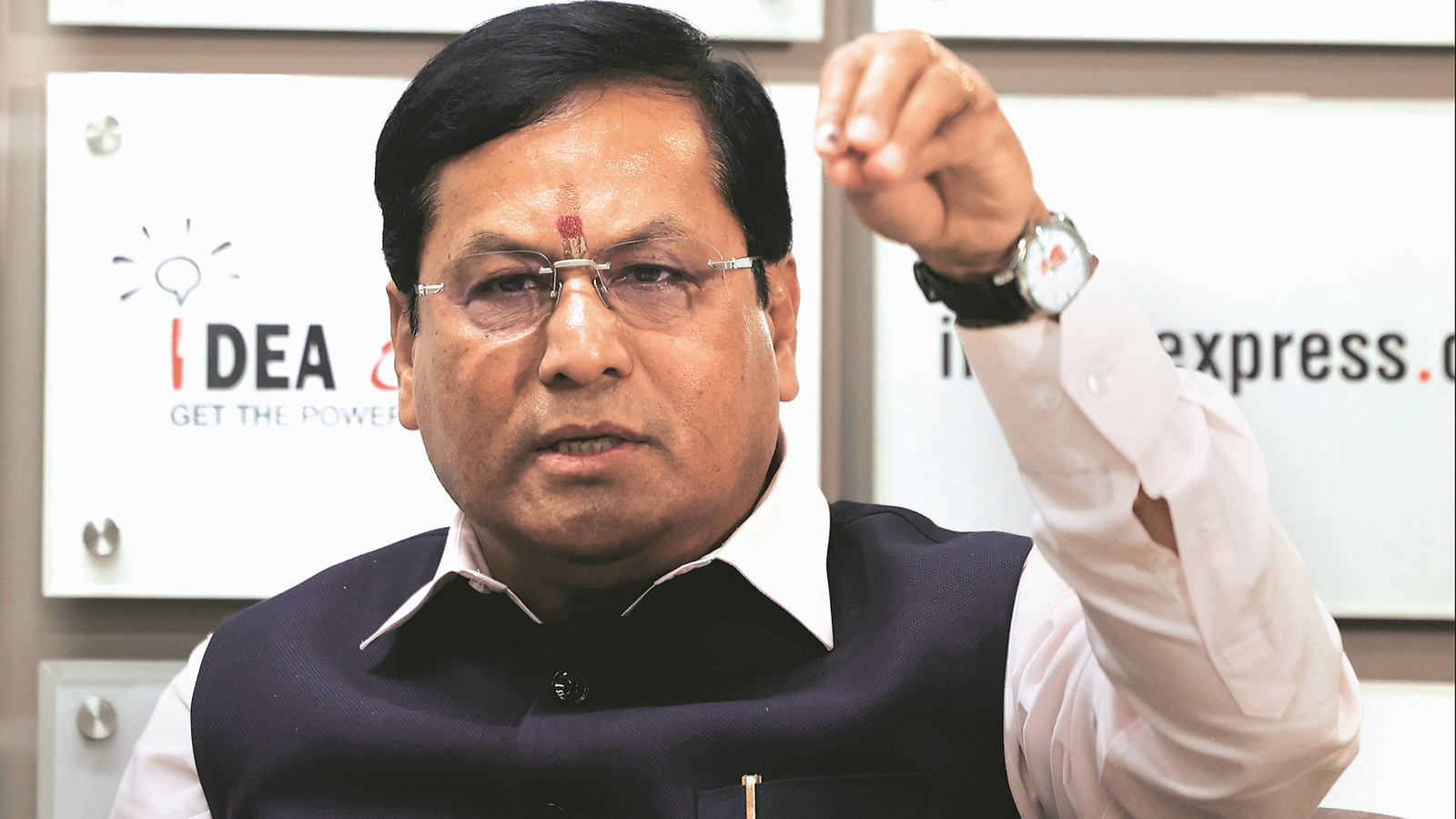
Following fresh attacks on two oil tankers carrying Indian crews, the Union Ministry of Ports, Shipping and Waterways convened an inter‑ministerial meeting chaired by Sarbananda Sonowal. The government resolved to create a comprehensive operational dashboard that monitors every Indian on any vessel—regardless of flag—operating in the Persian Gulf, Strait of Hormuz and Gulf of Oman.
How the Dashboard Works
The platform will capture vessel position, ownership, cargo, crew complement, welfare provisions, threat assessments, intended voyage, next port of call, and the availability of food, fuel, medicines and communications. By integrating data from the Ministry of External Affairs, Indian Navy, Directorate General of Shipping (DGS) and Indian diplomatic missions in Iran, Oman and the UAE, the system promises near‑instant visibility for all maritime stakeholders.
Family Liaison Officer Role
For any seafarer killed or injured, a designated liaison officer will serve as the “single point of contact” for the affected family. Responsibilities include coordinating medical updates, travel documentation, repatriation, welfare fund assistance, outstanding wages, contractual entitlements and other compensations, thereby eliminating bureaucratic delays.
Co‑ordination with International Bodies
India has communicated the incidents to multilateral forums of the International Maritime Organization (IMO) and flag state administrations, emphasizing violations of international conventions protecting innocent passage. The approach underscores India’s commitment to uphold maritime law while safeguarding its nationals.
Looking Ahead
Sonowal instructed ship owners, vessel managers and Recruitment and Placement Service Licence (RPSL) agencies to submit compliance reports, confirming that no Indian seafarer is compelled to sail without adequate protection and information. This initiative not only offers immediate humanitarian relief but also sets a strategic precedent for future maritime crisis management.