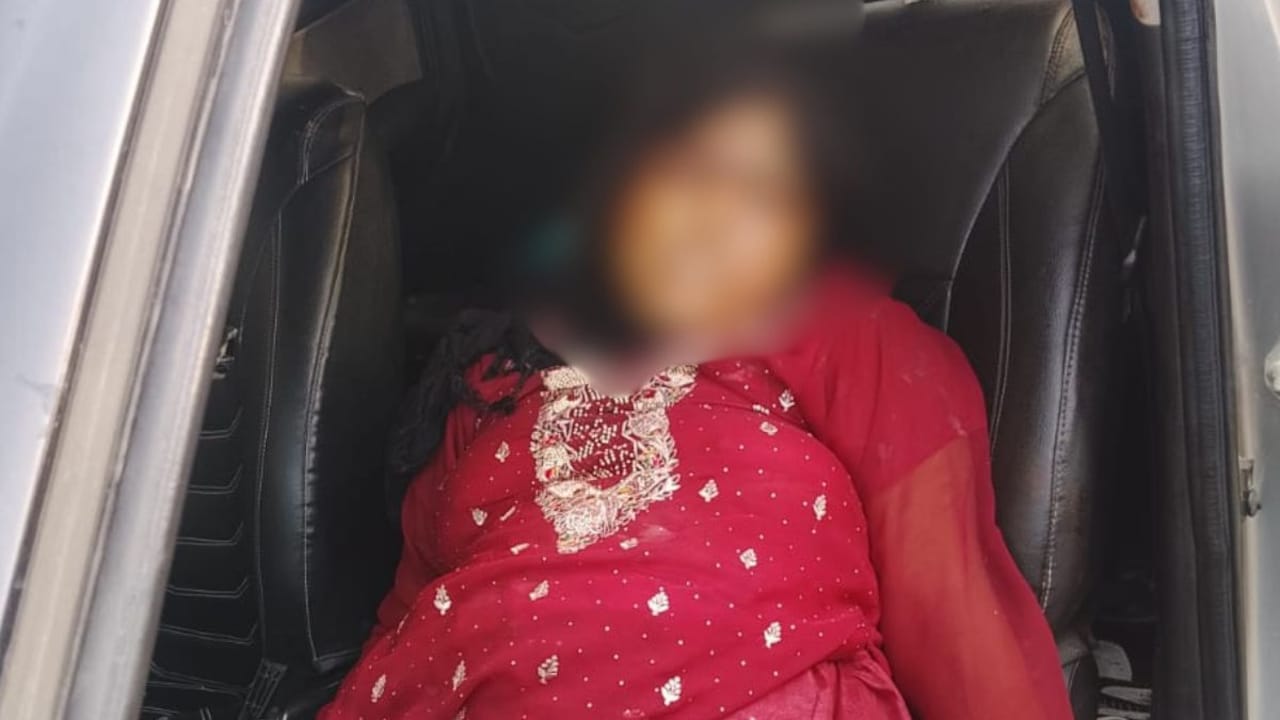
A father in Washim, Maharashtra brutally murdered his wife inside a car while their two young children watched. Police have arrested the suspect and launched a full investigation into the shocking domestic violence incident.
Key Takeaways
- A man in Washim killed his wife inside a car.
- Two small children were present during the murder.
- Police have taken the suspect into custody.
Incident Overview
In a harrowing episode of domestic violence, a 38‑year‑old man in the district of Washim, Maharashtra, attacked his wife inside their family car, first striking her with a rod and then strangling her to death. The brutal act unfolded while their two young children were inside the vehicle, witnessing the tragedy. Neighbours, alerted by the children’s cries, called the police, leading to the suspect’s arrest on the same evening.
Context and Societal Background
Domestic violence remains a pervasive issue across India, and Maharashtra records a higher-than‑average fatality rate in such cases. According to the National Crime Records Bureau (NCRB) 2023 data, 12 % of domestic‑violence incidents in the state resulted in death. Small towns like Washim often lack robust support systems, and cultural pressures can silence victims. The presence of children amplifies the long‑term psychological trauma, underscoring the urgent need for comprehensive protective measures.
Legal Implications and Potential Charges
Prosecutors are likely to charge the accused under Section 302 (murder) of the Indian Penal Code, along with Section 307 (attempt to murder) and Section 34 (common intention). Because the crime was committed in front of minors, Section 326A (voluntarily causing grievous hurt) may also be invoked. Conviction could attract life imprisonment or, in the most severe interpretation, the death penalty, reflecting the gravity of the offense.
Government and Civil Society Response
Following the incident, the local administration announced emergency shelters and counseling services for the surviving children. The Women and Child Development Department pledged swift assistance, while NGOs have called for a broader awareness campaign against domestic abuse. Experts argue that legislation alone is insufficient; education, community vigilance, and police training are essential to curb such atrocities.
Looking Ahead
This tragedy serves as a stark reminder that behind every headline lies a systemic failure. Prompt judicial action combined with a coordinated societal response can deter future incidents. The Washim case should catalyze stronger policy frameworks and grassroots initiatives aimed at protecting vulnerable families across India.