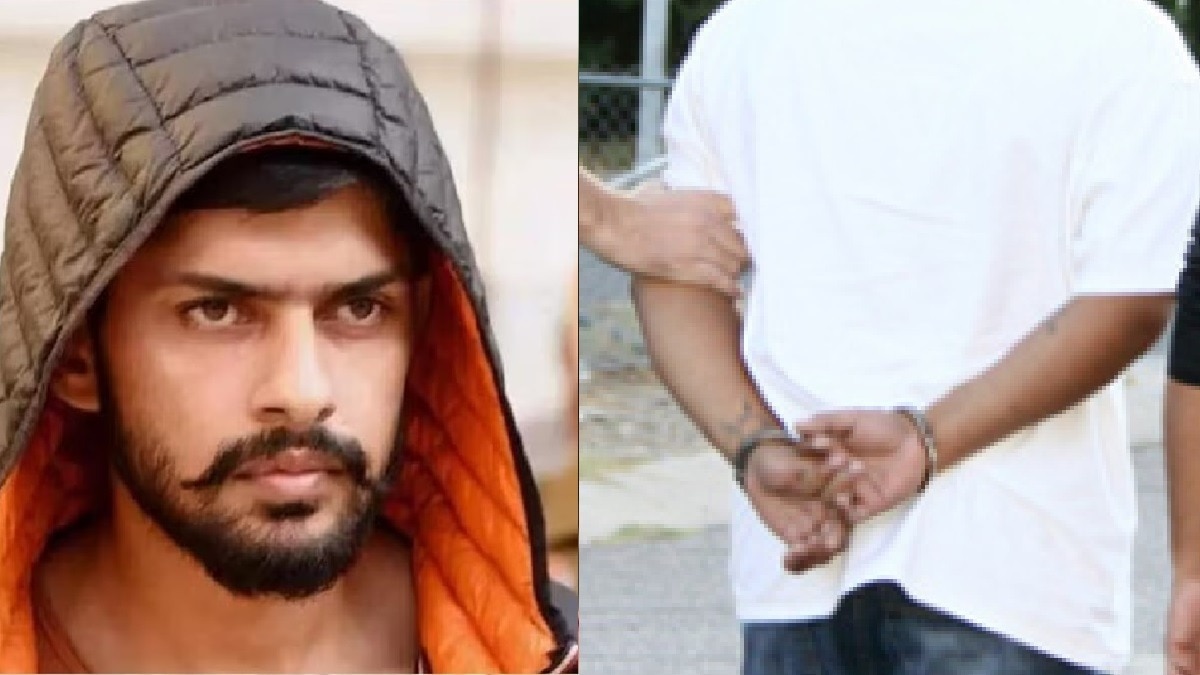
Delhi police have arrested suspect shooter Jagdish alias Jack from Malda, West Bengal, after a 1500‑km manhunt linked to a 5‑crore ransom demand and two shootings. The capture is expected to unravel the wider network of the Lawrence Bishnoi gang.
Key Takeaways
- Jagdish alias Jack arrested in Malda after a 1500 km pursuit
- Shooter carried out two shootings to enforce a 5 crore extortion demand
- Police are now interrogating him to expose the gang’s full hierarchy
Delhi police have nabbed Jagdish alias Jack, the suspected shooter of the Lawrence Bishnoi gang, from Malda in West Bengal. The operation concluded a seven‑day, multi‑state chase covering roughly 2,500 km, marking a major breakthrough in a case that began with a 5‑crore ransom demand and two separate shooting incidents.
Background of the Crime
The saga started on 12 January 2025 when a businessman from the Chhawla area lodged a complaint after receiving a threatening call from a foreign‑sounding number. The caller identified himself as “Harry Boxer” of the Lawrence Bishnoi gang and demanded ₹5 crore. When the money was not delivered, the gang opened fire outside the victim’s gym, discharging three rounds. A second call the following day repeated the threat and resulted in another shooting, escalating the pressure on the businessman.
Police Investigation and Manhunt
Initial leads pointed to an accomplice named Vikas, who was apprehended in Mainpuri, Uttar Pradesh. Vikas’ interrogation revealed the whereabouts of the shooter, leading to a specially formed task force that combined technical surveillance, call‑record analysis, and informant intelligence. Over the next week, the team traversed four states, covering more than 1,500 km, before cornering Jack near the Kamla Badi railway gate in Malda.
Aftermath of the Arrest
Jack was presented before the Malda court, granted a two‑day transit remand, and subsequently escorted to Delhi for detailed questioning. Authorities believe his statements could expose the gang’s financial channels, other operatives, and future extortion plans. The case remains open, with police seeking to map the full criminal network and prevent further high‑profile extortion attempts.
Implications for Future Law Enforcement
This arrest underscores the necessity of inter‑state cooperation and advanced forensic tools in tackling organized crime. As the investigation unfolds, it may set a precedent for rapid response to similar high‑value extortion cases, prompting a reevaluation of resource allocation and intelligence sharing across Indian law‑enforcement agencies.