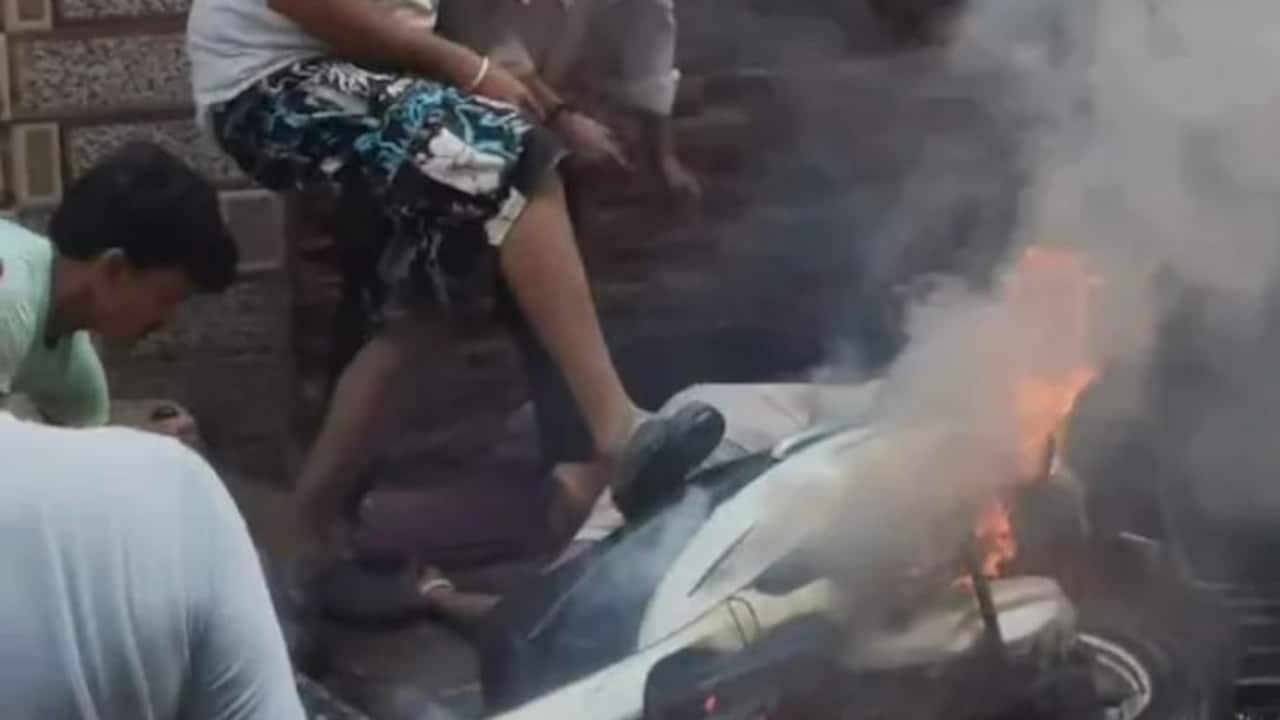
A high‑tension power line snapped and fell onto a road in Noida's Sector 63, igniting a scooter and injuring five people. Residents blame the electricity department for neglecting timely maintenance of the lines.
मुख्य बिंदु (Key Takeaways)
- High‑tension line snapped, fell on road and set a scooter ablaze.
- Five people suffered electric shock and burns; three are in serious condition.
- Local residents accuse the electricity department of poor line maintenance.
On Wednesday evening, a dramatic incident unfolded in the Chhijarsi area of Sector 63, Noida. A high‑tension electricity line abruptly broke, crashed onto the roadway, and made contact with a passing scooter. The sudden surge ignited the vehicle, resulting in a fire that left five by‑standers with severe electric shock and burn injuries. Senior officials from the local police and the electricity department confirmed the details of the accident.
Incident Details
Witnesses reported a loud crack followed by the metallic clatter of the fallen line. Within seconds, the scooter, parked near the impact site, burst into flames. Emergency services, including fire‑fighters and ambulances, were dispatched promptly. Two of the injured have been released after receiving treatment for minor burns, while the remaining three remain hospitalized in critical condition.
Community Reaction
Residents have taken to social media to criticize the electricity department, alleging chronic neglect of line maintenance. Many claim that visible sagging and rusted conductors have been reported for months without corrective action. The outcry has intensified pressure on local authorities to conduct a thorough audit of the power infrastructure and to accelerate repairs.
Historical Context and Regulatory Landscape
India’s rapid urban expansion has strained its power‑distribution networks, leading to a spate of similar incidents across major cities. In the past five years, at least a dozen high‑tension line failures have been documented, often linked to aging infrastructure, insufficient preventive maintenance, and extreme weather conditions. The Central Electricity Regulatory Commission (CERC) recently introduced stricter safety guidelines, yet implementation gaps persist at the municipal level.
Path Forward
Experts recommend a multi‑pronged approach: regular line inspections, swift remedial action on identified faults, and community awareness programs about reporting hazards. Additionally, bolstering emergency response capabilities with better equipment and training can reduce casualty figures in future accidents. A transparent, accountable framework for infrastructure oversight is essential to restore public confidence.