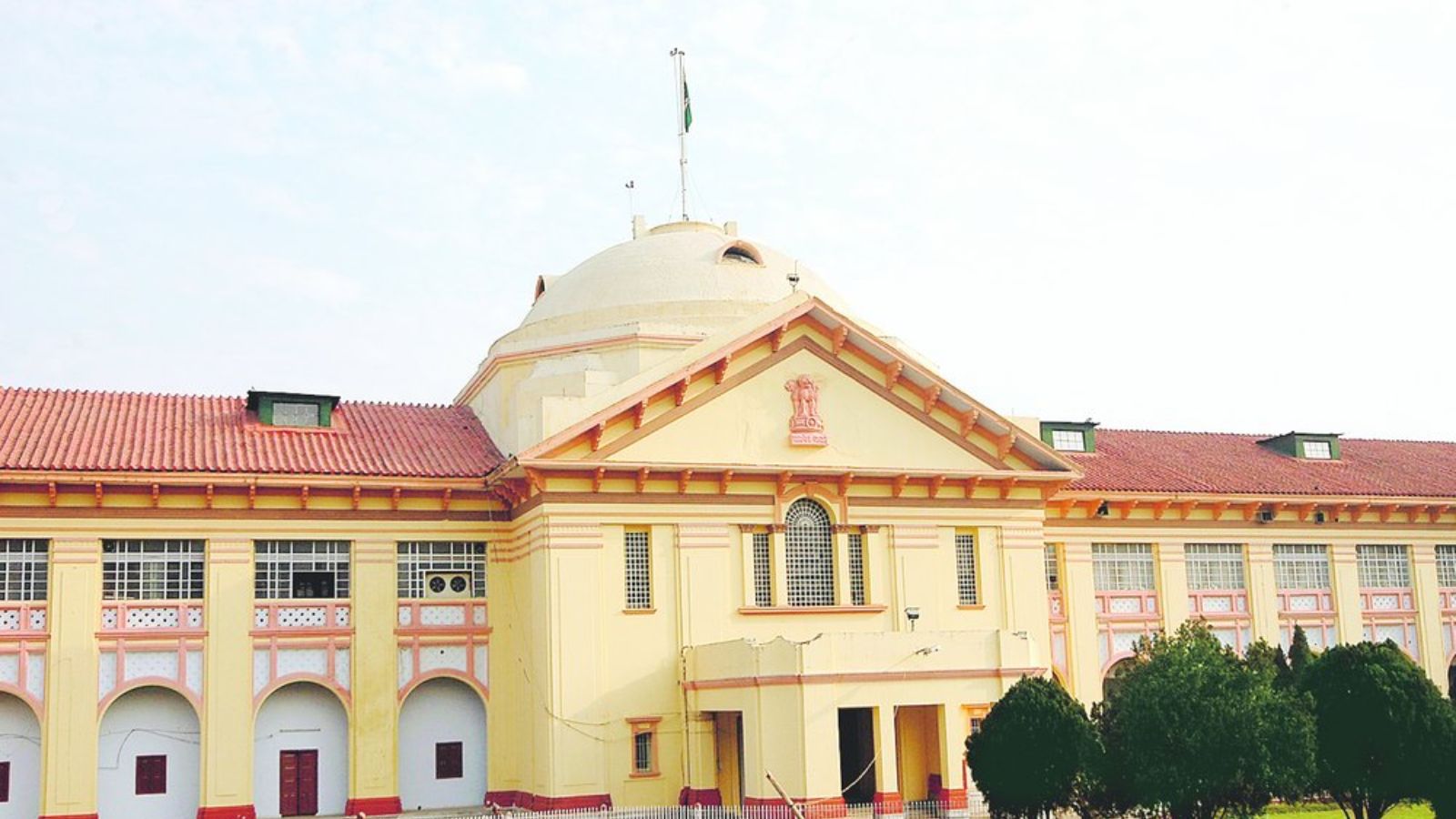
The Patna High Court dismissed the attempt‑rape charge, stating that removing a woman's salwar and pressing her chest, without evidence of penetration, constitutes an offence under Section 354, not Section 376. The accused was acquitted due to insufficient prosecution evidence.
Key Takeaways
- Removing a salwar and pressing a chest does not satisfy the legal criteria for attempted rape under IPC Section 376.
- Prosecution failed to provide conclusive evidence, leading to the appellant's acquittal.
- The acts were classified under Section 354 as an outrage of modesty rather than an attempted rape.
On July 9, the Patna High Court set aside a 2013 conviction of Himanshu Kumar Pathak alias Mithiya Pathak, holding that the prosecution could not prove the alleged attempt to rape. The bench observed that even if the prosecution’s narrative were accepted in its entirety, it would at best amount to an offence of assault or criminal force intended to outrage a woman’s modesty under Section 354 of the Indian Penal Code.
Case Background
The incident dates back to January 19, 2008, when the complainant accompanied her father to Chhaya Studio in Amarpur for a photograph. According to the FIR, the studio owner asked the father to step out, locked the studio door, attempted to remove the woman’s salwar, undressed himself, and pressed the complainant’s chest. The victim raised an alarm; her father forced the door open, and the accused fled the scene.
Prosecution Evidence and Court Scrutiny
The prosecution presented five witnesses – the victim, her parents, a formal investigating officer, and an independent witness who later turned hostile. Notably, the investigating officer who completed the probe was not examined during trial, and no medical officer’s testimony or forensic report was produced to substantiate any physical injury.
Legal Reasoning
The High Court emphasized that Sections 376 and 511 IPC require proof of an overt act unequivocally indicating an attempt to commit rape, typically involving penetration or a clear step toward it. The court found “an absence of any evidence of penetration, even to the slightest extent, or any overt act unequivocally constituting an attempt to commit rape.” Consequently, the elements of Sections 375 and 376 read with Section 511 were deemed inapplicable.
However, the court noted that the appellant’s actions – confining the victim, closing the door, attempting to remove her salwar, and pressing her chest – satisfied the essential ingredients of Section 354 IPC, which penalizes criminal force intended to outrage a woman’s modesty.
Implications of the Verdict
This judgment clarifies the legal threshold for “attempted rape” in Indian jurisprudence, underscoring the necessity of concrete evidence of penetrative intent. It also signals to prosecutors the importance of presenting medical and forensic evidence when alleging sexual offences. The decision may influence how future sexual‑assault cases are framed and adjudicated across Indian courts.