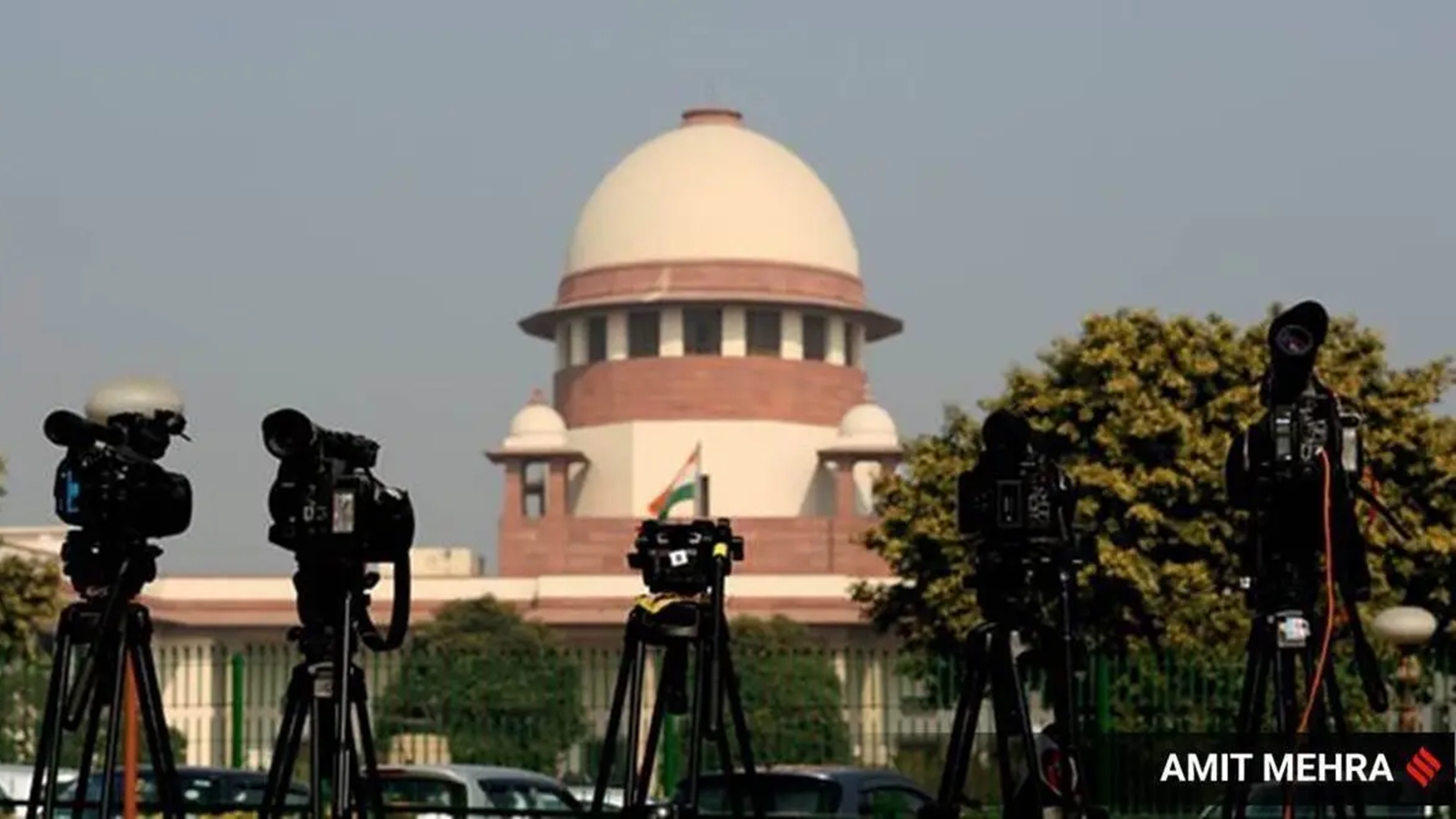
The Supreme Court of India has introduced a protocol that prohibits live streaming of hearings where petitioners appear in person, while also offering a virtual attendance option. The move aims to bolster courtroom decorum, security, and public confidence.
Key Takeaways
- In‑person hearings will no longer be live‑streamed or recorded.
- The Supreme Court will also allow virtual participation for litigants.
- The rule aims to safeguard courtroom decorum, security, and public confidence.
New Delhi: The Supreme Court of India on Wednesday adopted a comprehensive protocol that bars live streaming or recording of hearings where petitioners appear in person. The decision follows a recent incident in which a petitioner behaved disorderly inside a courtroom, sparking widespread debate on courtroom decorum.
Background of the Incident
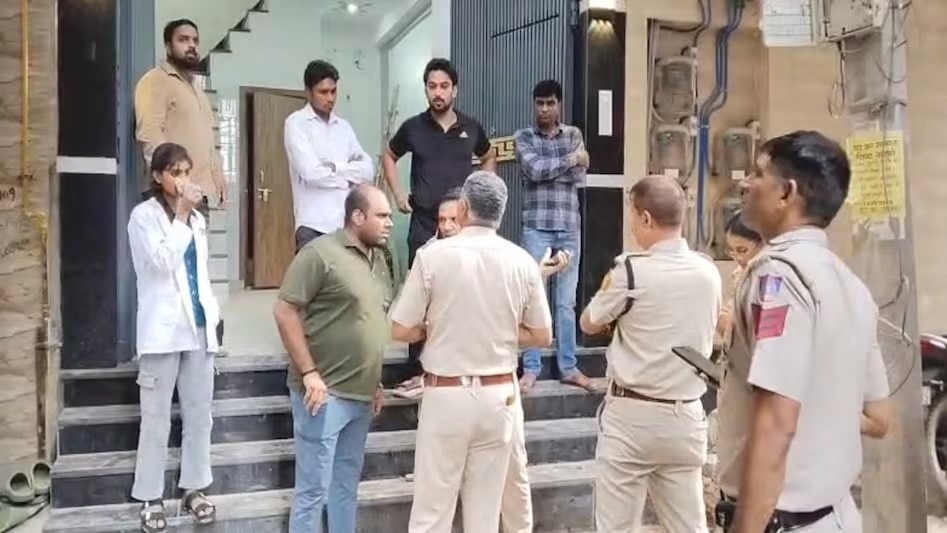
On July 10, petitioner Prabal Pratap shouted at a bench comprising Justices K.V. Viswanathan and Alok Aradhe, hurling papers and using profanity against the Chief Justice of India. Security personnel removed him from the courtroom, but the bench chose not to impose any disciplinary action. Video clips of the episode quickly circulated on social media, intensifying public scrutiny of the Supreme Court’s conduct rules.
Details of the New Protocol
The Court ruled that litigants who wish to appear physically will be offered a virtual alternative. If a party insists on physical presence, it will be permitted only under strict conditions that address security, decorum and procedural integrity. By limiting live streaming, the judiciary seeks to balance transparency with the need to protect the sanctity of its proceedings.
Related Initiatives: Samadhan Samaroh and Case Backlog
Concurrently, the justices affirmed their participation in the ongoing Samadhan Samaroh, culminating in a Special Lok Adalat scheduled for August 21‑23. To tackle the mounting backlog, the Court plans to fast‑track roughly 100 “bunch” matters that are ready for final hearing, potentially disposing of about 9,177 cases. This aggressive schedule is expected to improve efficiency and restore public trust.
Future Outlook
The Court also resolved to form a committee of senior judges to streamline the Cause List, standardize case‑taking practices, and recommend further procedural reforms. Legal analysts view these steps as part of a broader digital transformation aimed at modernising India’s judiciary while preserving its core values of fairness and openness.