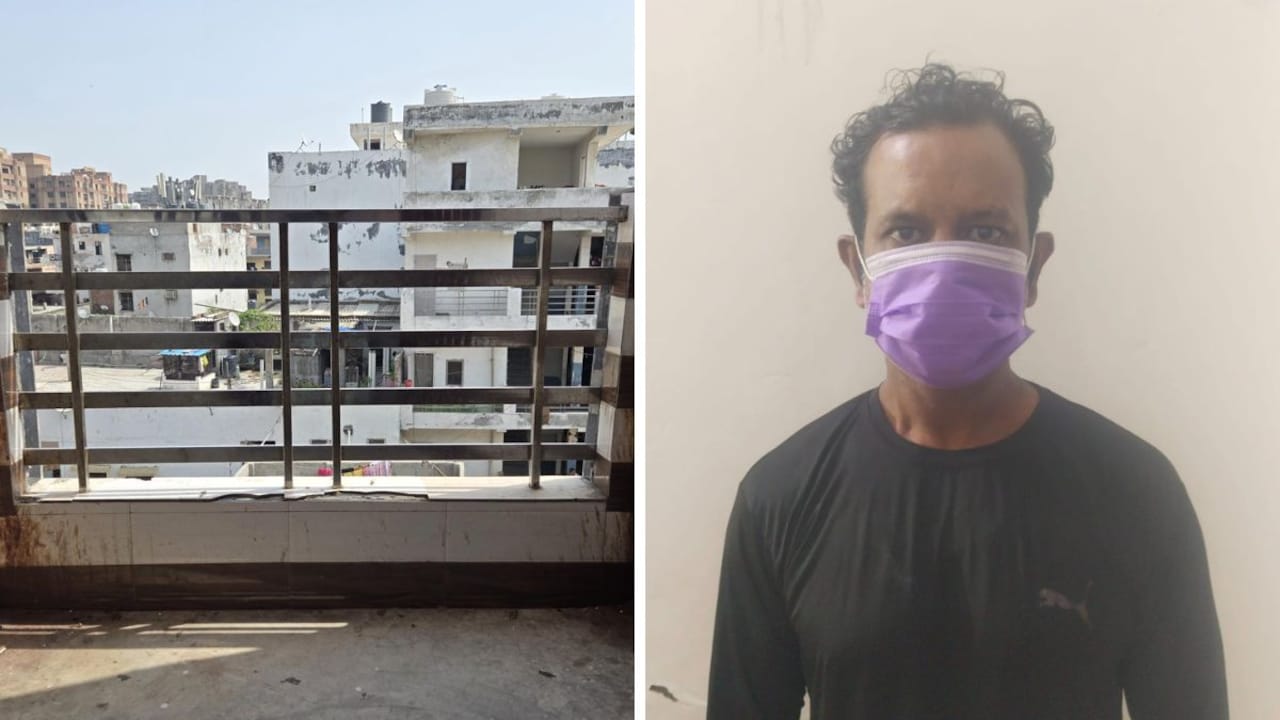
A 17‑year‑old girl in Ghaziabad was pushed from a fourth‑floor balcony by her stalker, dying despite emergency care at GTB Hospital. The accused, Shanawez, has been taken into custody.
Key Takeaways
- 17‑year‑old girl pushed from fourth floor by her stalker in Ghaziabad.
- She was taken to GTB Hospital in Delhi but succumbed to injuries.
- Accused Shanawez arrested; legal proceedings underway.
The incident unfolded in a residential complex in Ghaziabad when a teenage girl was forcefully pushed from a fourth‑floor balcony by Shanawez, a man she had previously slapped for stalking her. Emergency services rushed her to Delhi’s GTB Hospital, where despite intensive care, she passed away. The tragedy sparked a wave of outrage on social media and renewed focus on women’s safety in public spaces.
Historical Background— In 2013, India enacted the Stalking Prevention Act (Amended) 2013, criminalising stalking with penalties up to seven years imprisonment and fines. Nonetheless, reports indicate a rising trend in stalking cases over the past five years, with many victims experiencing delayed justice. NGOs have launched awareness campaigns, yet enforcement gaps remain, highlighting the need for stronger systemic safeguards.
Following the victim’s family filing a complaint, police quickly apprehended Shanawez. Investigators state that the teenager had repeatedly warned the man about his unwanted advances; when she attempted to physically repel him, he responded by pushing her from the balcony. This episode underscores not just personal vulnerability but also the critical role of rapid response mechanisms in densely populated urban settings.
"Incidents like this demonstrate the necessity for stricter enforcement of stalking laws alongside community education and swift protective measures," says criminology expert Prof. Rajat Singh.
Why This Matters
BozokMedia analysis shows that violence of this nature severely hampers women’s everyday freedom and economic participation. When a young woman cannot feel safe even in her own building, broader societal costs emerge—reduced workforce participation, increased security expenditures for families, and heightened public anxiety.
Moreover, the case puts pressure on law‑enforcement agencies to demonstrate decisive action against stalking and harassment. A perceived sluggish or inadequate judicial response can erode public trust, potentially fueling social unrest and even elevating crime rates.
Frequently Asked Questions
Q1: Is there a specific law against stalking in India?
A: Yes, the 2013 Stalking Prevention Act criminalises stalking and prescribes stringent penalties.
Q2: What punishment could Shanawez face?
A: While the court is yet to deliver a verdict, the law allows up to seven years’ imprisonment and a fine.


