Prime Minister Narendra Modi said rapid electrification of Indian Railways has shielded the nation from global energy shocks. While less than 30% of the network was electrified before 2014, today 99% is electric, preventing any halt during the Hormuz crisis.
Key Takeaways
- Electrification rose from under 30% in 2014 to 99% today.
- Electric rail network stayed operational despite the Hormuz crisis.
- Modi’s advance planning boosted energy security and economic stability.
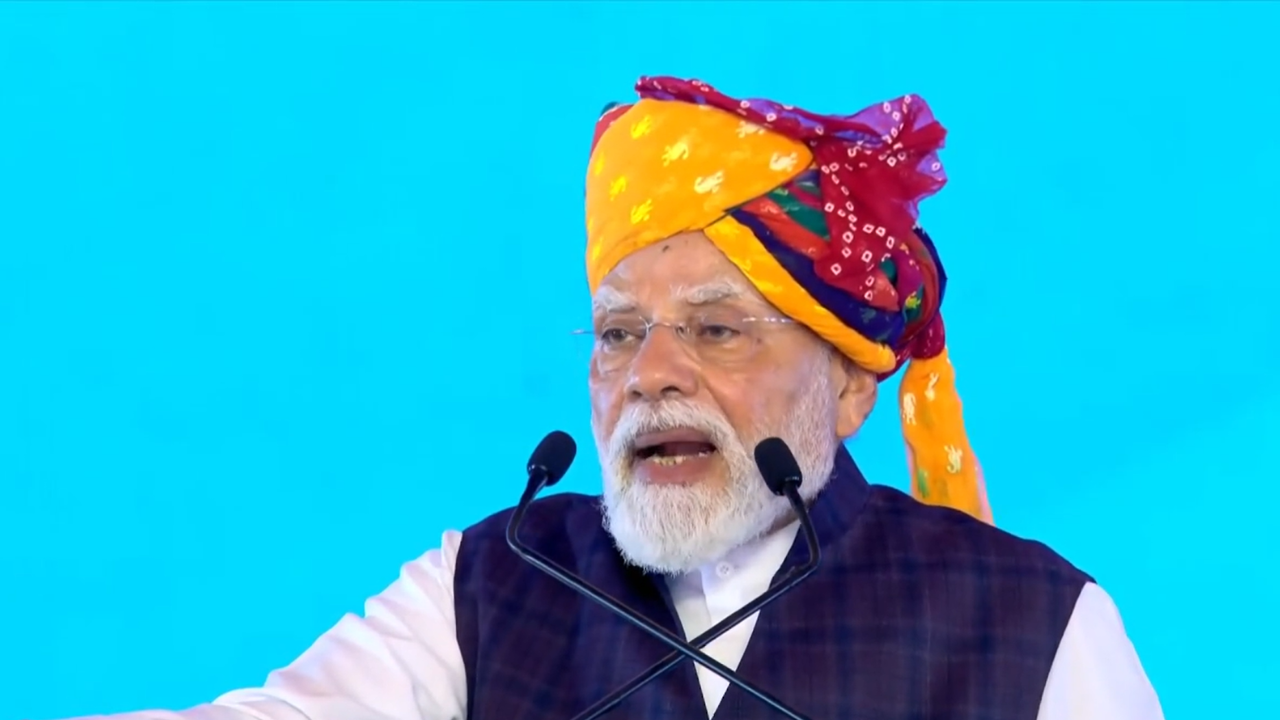
New Delhi: Prime Minister Narendra Modi asserted on Friday that the swift electrification of Indian Railways over the past 12 years has insulated the country from global energy disruptions. He warned that if the Strait of Hormuz had been closed before 2014, the predominantly diesel‑powered network would have ground to a complete halt. Today, with nearly 99% of tracks electrified, the crisis has had no impact on train operations.
Historical Background: Electrification of Indian Railways began in 1925, but progress was slow. By 2014, only about 30% of the 68,000‑kilometre network was electric, leaving roughly 70% reliant on diesel or coal‑fired locomotives. At that pace, full electrification would have required another two centuries.
Since 2014, the government accelerated the program, achieving 99% electrification by 2026, with Haryana witnessing a 100% electric network. This transformation has reduced dependence on imported fuel, curbed operational costs, and ensured uninterrupted services even as oil supplies face geopolitical turbulence.
| Year | Electrified % | Diesel % |
|---|---|---|
| 2014 | ≈30% | ≈70% |
| 2026 | ≈99% | ≈1% |
"Electrification has given Indian Railways both energy security and a clear environmental edge," says railway analyst Dr. Ajay Singh.
Why This Matters (इसके मायने क्या हैं)
According to BozokMedia analysis, widespread electrification buffers the rail system from volatile fuel prices and reduces the nation’s oil import bill. For the average commuter, this translates into lower ticket costs, more reliable schedules, and cleaner air. Economically, a resilient rail network sustains supply chains for manufacturing and agriculture, even when sea routes like the Hormuz Strait face conflict.
Geopolitical tensions that threaten oil shipments can cripple diesel‑dependent transport. However, with 99% of the network now electric, Indian Railways can continue operating independently of such disruptions, safeguarding both domestic mobility and the broader economy.
Frequently Asked Questions (अक्सर पूछे जाने वाले प्रश्न)
Q: How did electrification prevent a rail shutdown during the Hormuz crisis?
A: Because 99% of tracks are electric, a disruption in diesel fuel supplies does not halt train services, ensuring continuous operation.
Q: Are all Indian states fully electrified?
A: Most major routes are, but a few remote sections still rely on diesel locomotives, though they represent less than 1% of the total network.