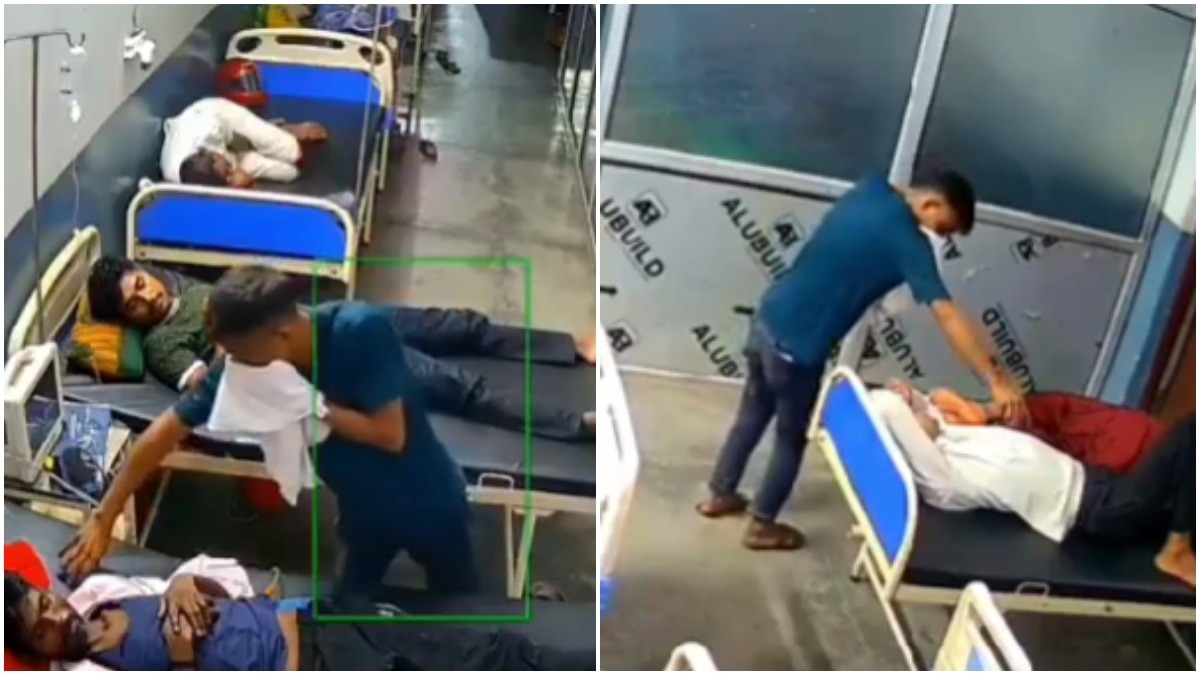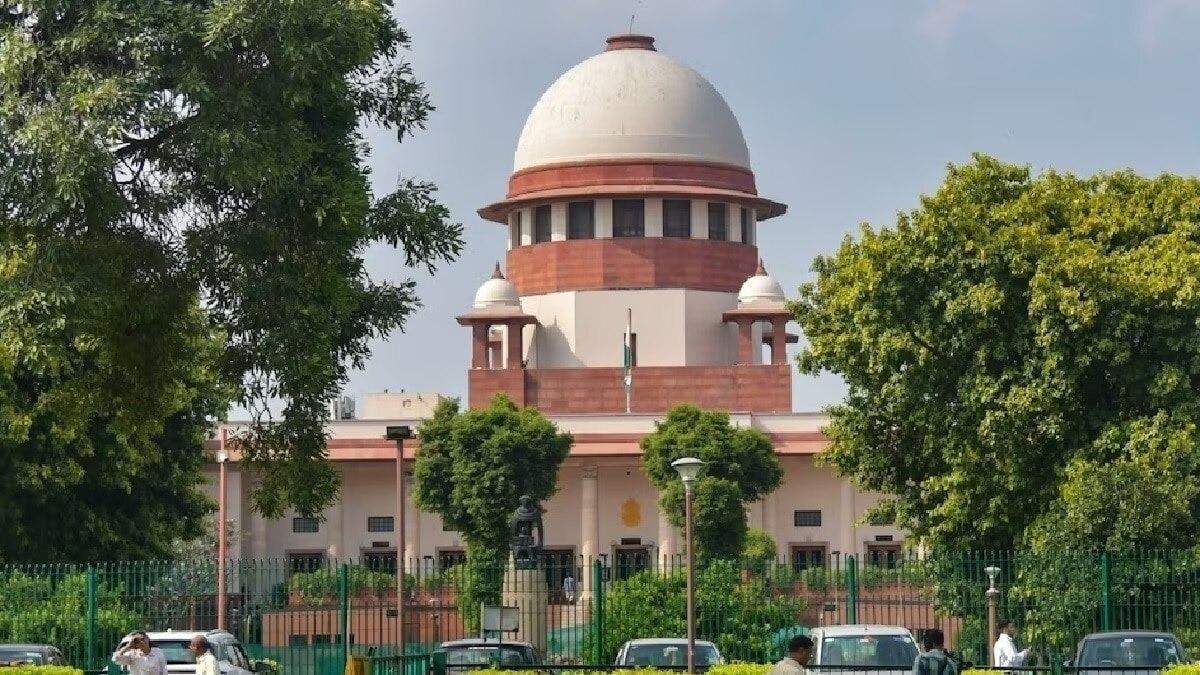
The Supreme Court has severely rebuked private hospitals in Ghaziabad for refusing treatment to a 4-year-old rape victim. The top court termed their conduct 'merciless' and ordered compensation for the family.
New Delhi: In a scathing indictment of medical negligence and lack of empathy, the Supreme Court on Friday tore into two private hospitals regarding a horrific case in Ghaziabad. The hospitals allegedly refused to provide medical assistance to a four-year-old girl who had been a victim of rape, leading to her eventual death.
A three-judge bench, led by Chief Justice Surya Kant, expressed profound anger at the actions of the medical practitioners involved. The court's ire was particularly directed at an Ayurvedic doctor who failed to provide even basic initial care. "You have no business writing doctor with your name if you don't perform your duty," the bench remarked, questioning whether the victims were ignored due to their impoverished socio-economic status.
Why This Matters (इसके मायने क्या हैं)
BozokMedia analysis shows that this ruling serves as a critical check on the growing commercialization of healthcare in India. When private institutions prioritize administrative protocols or financial viability over the immediate life-saving needs of a child, it erodes the fundamental right to health guaranteed under the Constitution.
Furthermore, this judgment addresses the systemic failure of law enforcement and medical ethics. By demanding compensation and highlighting the 'hush-hush approach' of the local authorities, the Supreme Court is signaling that institutional negligence—whether in hospitals or police stations—will no longer be tolerated under the guise of procedure. This will likely force a re-evaluation of emergency response protocols across the country.
"Medical professionals hold a sacred trust; failing to act in a crisis is a betrayal of that trust and the law."
Historical Background: The legal principle of 'duty of care' is central to medical jurisprudence. In India, the landmark Parmanand Katara vs. Union of India case established that every doctor has a professional and constitutional obligation to provide immediate medical aid to victims of accidents or crimes, regardless of legal formalities or ability to pay.
| Aspect | Hospital's Alleged Action | Supreme Court's Mandate |
|---|---|---|
| Emergency Response | Refusal of treatment | Immediate care is a mandatory duty |
| Ethical Stance | Described as 'Merciless' | Upholding human dignity and empathy |
| Accountability | Avoidance of responsibility | Mandatory compensation to the victim's family |
The incident traces back to March in Ghaziabad, where a young girl was lured away by a neighbor. After being found unconscious and bleeding, she was denied admission by two private facilities before succumbing at a district hospital. The court also criticized the Ghaziabad Police for failing to register the FIR under the POCSO Act and rape provisions initially, despite autopsy evidence.
Frequently Asked Questions (अक्सर पूछे जाने वाले प्रश्न)
Question 1: What was the Supreme Court's specific criticism of the police?
Answer: The Court criticized the police for an 'insensitive' probe, noting that they failed to add POCSO and rape charges to the FIR despite clear medical evidence.
Question 2: What action did the Court take against the hospitals?
Answer: The Court ordered the hospitals to pay reasonable compensation to the bereaved family to mitigate the impact of their 'ruthless' negligence.