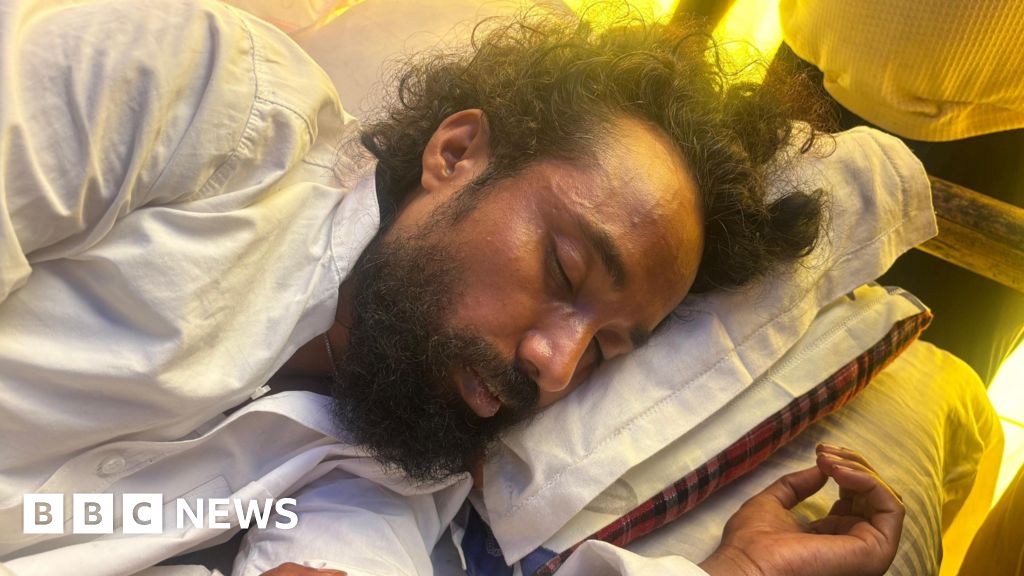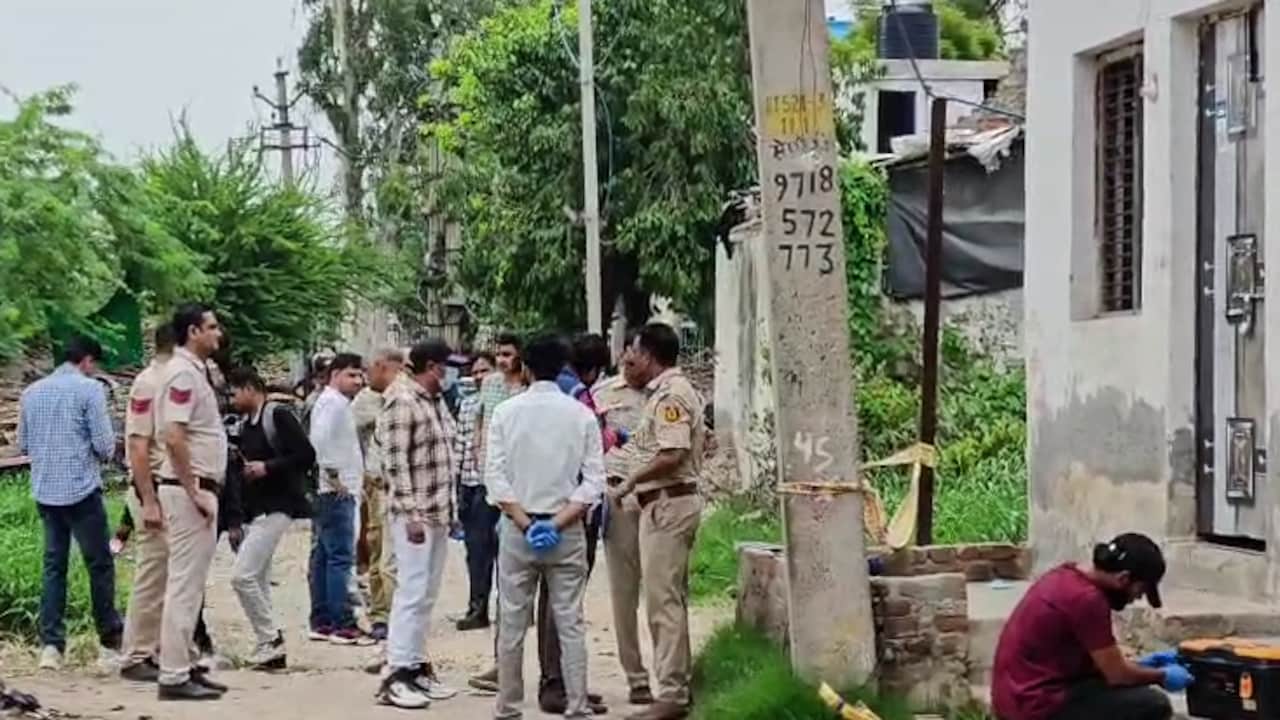
A gang robbed ₹9 lakh from a Delhi residence by pretending to arrange a meeting with social activist Harishchandra. Police are reviewing CCTV footage to trace the perpetrators.
Key Takeaways (मुख्य बिंदु)
- Criminals impersonated a phone call to activist Harishchandra to gain entry.
- ₹9 lakh stolen; police have launched CCTV analysis.
- No immediate eyewitnesses, complicating the investigation.
In a residential area of Delhi, a well‑organized gang executed a high‑value robbery, walking away with ₹9 lakh in cash. The perpetrators called the house, claiming they were there for a scheduled meeting with noted social activist Harishchandra. Believing the call, the occupants opened the door, allowing the thieves to rush inside and seize the cash before fleeing.
Following the incident, Delhi police have promptly begun scanning surveillance footage from nearby cameras, hoping to identify the faces of the culprits. The lack of direct witnesses has heightened the challenge, prompting authorities to rely heavily on digital evidence and forensic analysis.
Historical Background (तथ्यात्मक पृष्ठभूमि)
Over the past five years, Delhi has witnessed several high‑profile cash thefts, notably the 2018 “Delhi Dacoit” case (₹12 lakh) and the 2021 “Suraj Nagar Heist” (₹8 lakh). In many of these incidents, criminals leveraged social or professional pretexts to breach homes, a tactic that grew with the rise of mobile communication and caller‑ID spoofing technologies.
Why This Matters (इसके मायने क्या हैं)
BozokMedia analysis shows that such deception erodes public confidence in everyday security. When thieves exploit the reputation of social figures, it forces citizens to invest in additional protective measures, from advanced lock systems to private security services.
Economically, the sudden loss of large cash sums can ripple through local businesses, affecting liquidity and consumer spending. The incident is likely to spur greater demand for surveillance solutions and reinforce calls for stricter regulations on caller‑ID fraud.
"Using an activist’s name as a ruse signals a sophisticated shift in criminal methodology, demanding heightened public vigilance," says security analyst Dr. Anita Singh.
Frequently Asked Questions (अक्सर पूछे जाने वाले प्रश्न)
Question 1: Were any physical clues left by the thieves?
Answer: So far, no fingerprints or DNA evidence have been recovered, but investigators are employing facial‑recognition software on CCTV footage.
Question 2: Can this incident deter similar future crimes?
Answer: Prompt police action and increased public awareness can reduce the likelihood of repeat offenses, though constant vigilance remains essential.