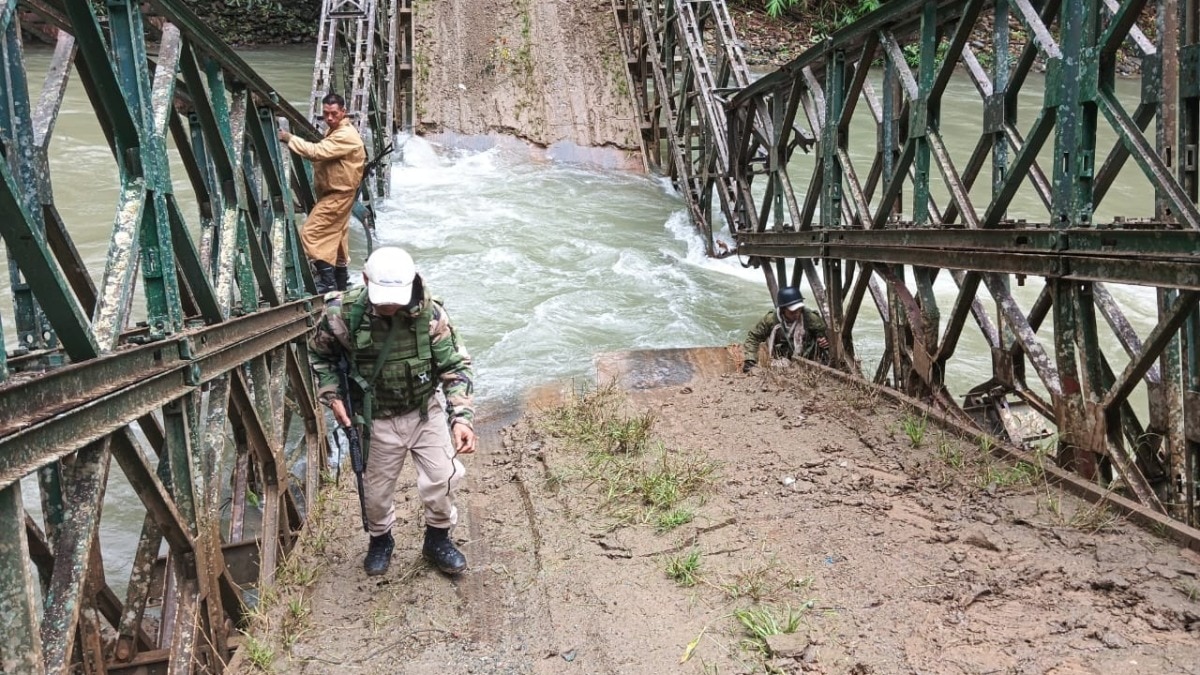
A devastating cloudburst and heavy rainfall in Assam have claimed 21 lives in just 24 hours, leaving over 5.65 lakh people stranded across 16 districts.
The state of Assam is grappling with a catastrophic flooding situation following a massive deluge on Tuesday, July 21, 2026. In one of the deadliest single-day incidents in recent memory, 21 people lost their lives across four districts, bringing the total death toll of the current flood wave to 31. The devastation has been particularly acute in the eastern districts of the state.
According to the Assam State Disaster Management Authority (ASDMA), the situation escalated rapidly after a brief period of respite. The floods have inundated 872 villages across 16 districts, affecting approximately 5.65 lakh residents. The agricultural sector has also taken a massive hit, with over 24,000 hectares of crops submerged under water.
Why This Matters (इसके मायने क्या हैं)
BozokMedia analysis shows that the escalating frequency of extreme weather events like cloudbursts in the Brahmaputra valley poses a systemic risk to the regional economy. The loss of crops and destruction of critical infrastructure, including 33 roads and a bridge, creates a cycle of poverty and economic instability for the agrarian communities of Assam.
Furthermore, the rapid displacement of over 12,000 people into relief camps highlights the immense pressure on state resources. As rivers like the Brahmaputra and Dikhow flow above danger levels, the logistical challenge of providing food, medicine, and sanitation to hundreds of thousands of displaced people becomes a massive humanitarian undertaking.
The suddenness of upstream cloudbursts leaves minimal response time for downstream communities, making early warning systems critical.
Historical Background
Assam has a long and complex history with the Brahmaputra River. While seasonal flooding is a natural phenomenon that replenishes soil fertility, the intensity of recent floods has increased due to deforestation and climate change. The districts of Sivasagar and Jorhat have historically been vulnerable to the overflow of the Dikhow and Disang rivers.
| Impact Metric | Current Data |
|---|---|
| Total Fatalities | 31 |
| Single-Day Fatalities | 21 |
| People Affected | 5.65 Lakh |
| Villages Inundated | 872 |
| Crop Area Damaged | 24,210 Hectares |
Frequently Asked Questions (अक्सर पूछे जाने वाले प्रश्न)
Question 1: Which districts are the worst hit?
Answer: Sivasagar, Charaideo, and Jorhat are the most severely affected districts.
Question 2: What is the cause of the sudden surge in water levels?
Answer: Chief Minister Himanta Biswa Sarma attributed the surge to a cloudburst in the upstream regions.