On the 25th day of his hunger strike, activist Sonam Wangchuk has demanded an assurance from the government that no force or legal action will be taken against student protesters in Ladakh.
Key Takeaways
- Sonam Wangchuk is entering the 25th day of his hunger strike.
- He has set a condition for ending the fast: protection for student protesters.
- The core demand remains the inclusion of Ladakh in the Sixth Schedule.
Renowned environmentalist and innovator Sonam Wangchuk has intensified his protest by issuing a direct condition to the government. Marking the 25th day of his ongoing hunger strike, Wangchuk stated that he is prepared to break his fast only if the central government provides an assurance that no police force, legal proceedings, or punitive actions will be directed toward student protesters in the region.
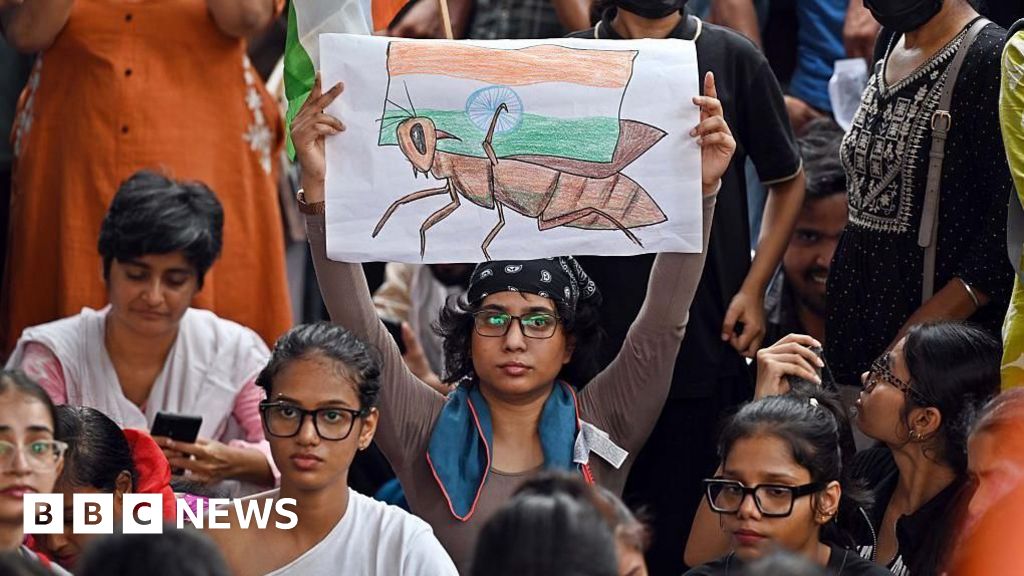
This development comes at a critical juncture when student activism in Ladakh has become a central pillar of the larger movement for constitutional safeguards. Wangchuk emphasized that the youth are merely advocating for their ecological and political future, and criminalizing them would be a democratic failure.
Why This Matters (इसके मायने क्या हैं)
BozokMedia analysis shows that this standoff is not just about a single individual's fast, but about the fundamental right to protest and the future of Ladakh's youth. Any aggressive crackdown on students could trigger a wider national debate on civil liberties and potentially destabilize the fragile peace in the sensitive border region.
From an economic perspective, prolonged unrest in Ladakh could impact the vital tourism sector. Politically, the government faces a delicate balancing act between maintaining law and order and addressing the legitimate grievances of the Ladakhi people regarding environmental and constitutional protections.
"The protection of student voices is the litmus test for democracy in the Himalayan region."
Historical Background
The movement led by Sonam Wangchuk seeks the implementation of the Sixth Schedule of the Indian Constitution for Ladakh. The Sixth Schedule provides for the creation of Autonomous District Councils (ADCs) to manage land, forests, and water resources in tribal areas. For years, Ladakhi activists have argued that without these protections, the unique culture and fragile ecology of the region are at risk from uncontrolled industrialization and external exploitation.
Frequently Asked Questions (अक्सर पूछे जाने वाले प्रश्न)
Question 1: What is the primary goal of Sonam Wangchuk's protest?
Answer: His primary goal is to secure constitutional protections for Ladakh under the Sixth Schedule to safeguard its environment and culture.
Question 2: What condition has he placed on ending his fast?
Answer: He has demanded a guarantee that the government will not take any legal or forceful action against students participating in protests.