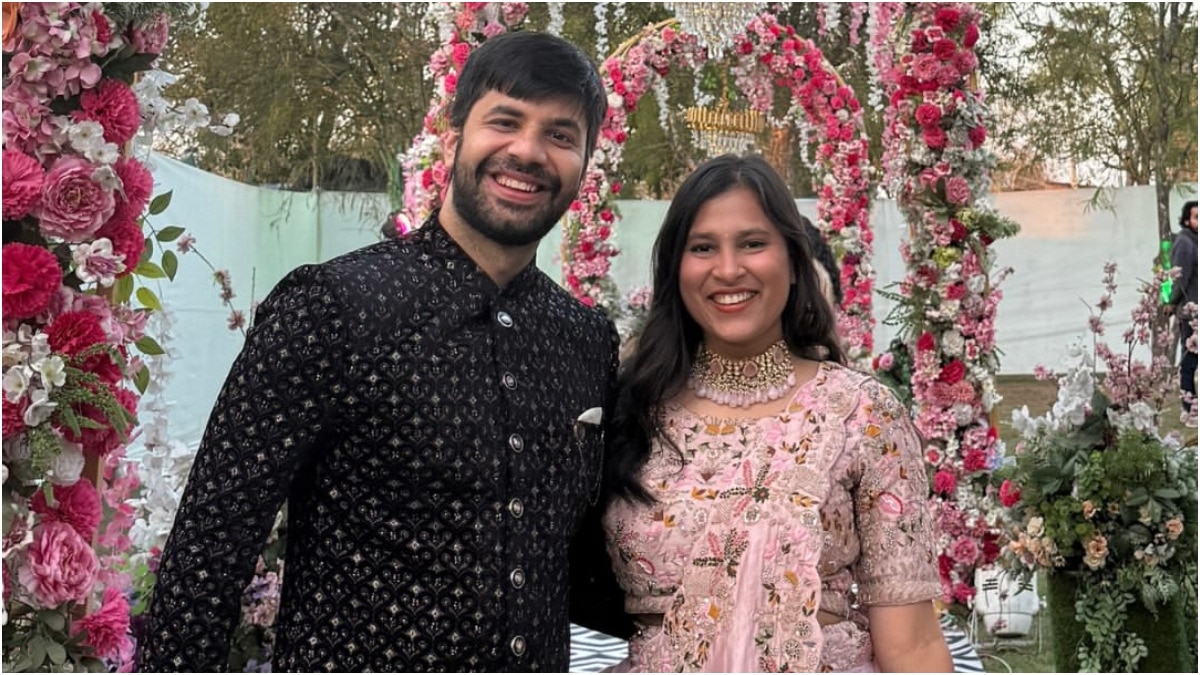
A Bangalore‑based chartered accountant cautions Indian families against splurging Rs 20 lakh on extravagant weddings, urging them to invest the money instead. She breaks down typical expenses and suggests smarter financial alternatives.
Key Takeaways
- Breakdown of a typical Rs 20 lakh wedding budget
- Alternative investment options for financial security
- How to celebrate without creating debt
Bengaluru chartered accountant Meenal Goel posted bluntly on Instagram, “Don’t spend Rs 20 lakh to impress relatives.” She labeled it as one of the biggest financial mistakes Indian families make.
She illustrated a hypothetical Rs 20 lakh allocation: Rs 6 lakh on food, Rs 5 lakh on venue, Rs 3 lakh on décor, and Rs 2 lakh each for photography, entertainment and miscellaneous costs.
“A Rs 20 lakh wedding feels unforgettable until you look at your bank account,” Goel warned. Within 48 hours the venue is returned, the food is gone, decorations are stripped and guests move on to the next celebration—leaving only the financial impact.
Historical Background
Over the past two decades, Indian wedding expenditures have surged, especially among the urban middle class. Traditionally, weddings serve as status symbols, often inflating costs beyond necessity.
Why This Matters
BozokMedia analysis shows that unchecked wedding spending can erode household savings, delaying milestones like home ownership and children’s education, thereby impacting long‑term economic stability.
“A wedding should celebrate love, not jeopardize a family’s financial future.” – Financial analyst Dr. Arjun Mehta
Frequently Asked Questions
Question 1: Can a memorable wedding be organized on a lower budget?
Answer: Yes, using local venues, home‑cooked meals, and modest décor can create lasting memories without overspending.
Question 2: What are the benefits of investing the wedding budget instead?
Answer: Investing can generate long‑term returns, build an emergency fund, and fund future goals like children’s education or a home down‑payment.