The CJP protest at Jantar Mantar led Delhi Metro to shut 17 stations, while police barricaded major roads. The resulting traffic snarls forced commuters to endure long delays and higher travel costs.
Key Takeaways
- 17 metro stations closed for security reasons
- Major arteries like Vikas, Parliament and Connaught Place jammed
- Commuters face an extra 40‑45 minutes travel time
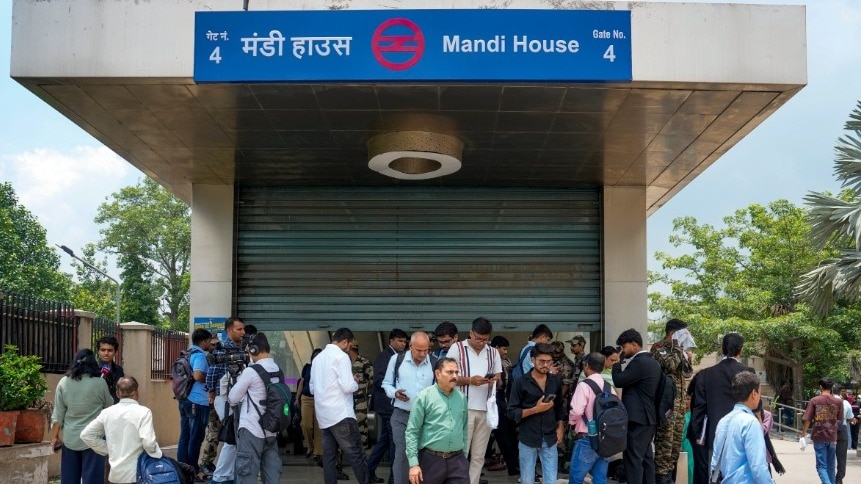
During the Cockroach Janata Party (CJP) demonstration at Jantar Mantar, New Delhi’s security apparatus was tightened, prompting the Delhi Metro Rail Corporation (DMRC) to shut down 17 key stations. Police also erected barricades on several principal roads, crippling citywide movement.
Key Affected Roads
Vikas Marg, Parliament Road, Tolstoy Marg, Connaught Place Outer Circle, Patel Chowk, India Gate Circle, DDU Road, Minto Road and the vicinity of the ITO tunnel experienced severe slow‑downs. The partial road closure near the ITO tunnel created a bottleneck that extended queues for kilometres.
Impact on Commuters
With metro services unavailable, thousands turned to buses, auto‑rickshaws and cabs, swelling pressure on Delhi’s public‑transport network. Riders reported an additional 40‑45 minutes of travel time compared with normal days. One commuter noted a 1.5‑km long jam on the Noida‑Delhi highway.
DMRC Stations Shut
The closed stations included Lok Kalyan Marg, Rajiv Chowk, Patel Chowk, Ramkrishna Ashram Marg, Barakhamba Road, Supreme Court, Seva Tirth, Janpath, Mandi House, Central Secretariat, ITO, Delhi Gate, Indraprastha, Khan Market, Jor Bagh, Shivaji Stadium and Jhandewalan, all remaining closed until further notice.
Historical Background
CJP has been protesting at Jantar Mantar for over a month, demanding the resignation of Union Education Minister Dharmendra Pradhan over alleged paper leaks and exam irregularities. The movement seeks greater transparency in the education sector and has previously triggered large‑scale rallies across the capital.
Why This Matters
BozokMedia analysis shows that prolonged disruptions in a megacity’s mass‑transit network erode public confidence, increase road‑traffic emissions, and strain emergency‑response capabilities, making the incident a bellwether for future protest‑related mobility challenges.
Transport analyst Ajay Sharma warns, “Such large‑scale interruptions undermine commuter trust and overload alternative transport options.”
Frequently Asked Questions
- Why were the metro stations closed during the protest? Security concerns dictated the closures because of large crowds and the potential for unrest around the stations.
- How can commuters find alternative routes? Delhi traffic police have issued real‑time routing advisories; mobile apps and local news provide live updates on detours.