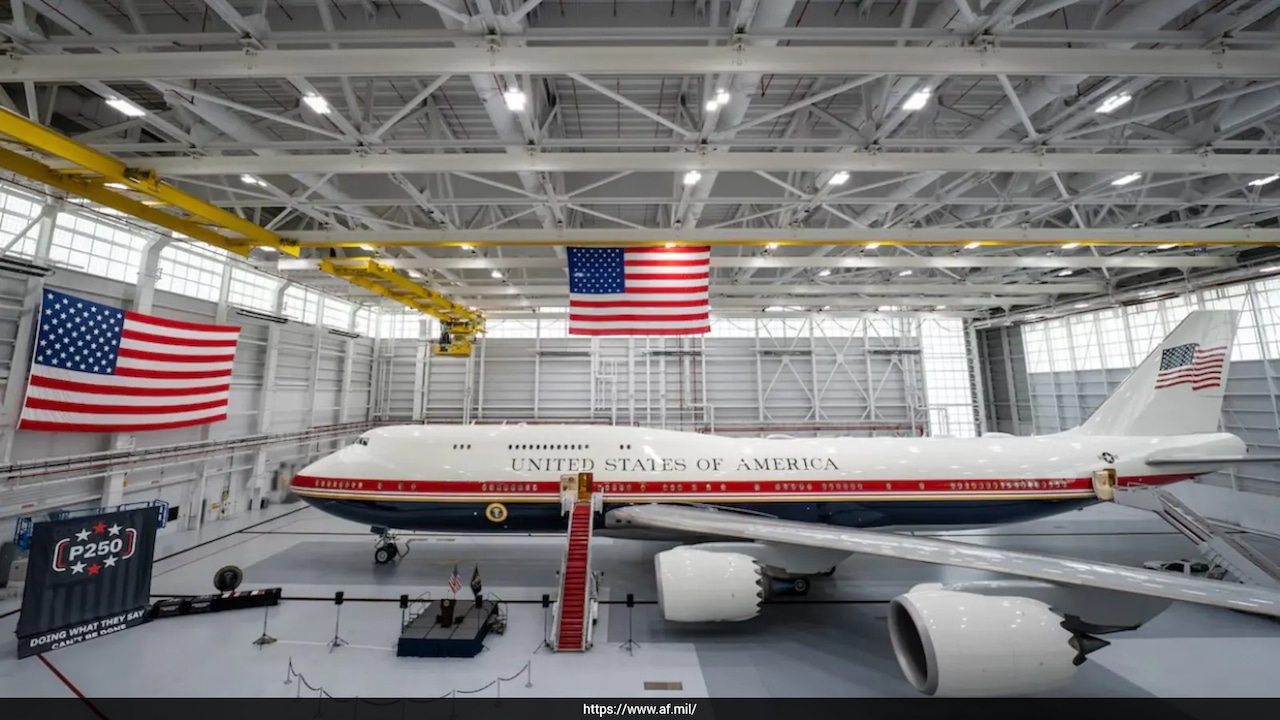
Two New York Times reporters were summoned after filing a report on alleged security gaps in the newly delivered Air Force One. The aircraft, gifted by Qatar to President Donald Trump, entered service last week, but the White House insists there are no shortcomings.
Key Takeaways
- NYT journalists summoned after reporting potential security gaps in the new Air Force One.
- The White House categorically denies any security shortcomings.
- The aircraft, a gift from Qatar to President Donald Trump, entered service last week.
The newly commissioned Air Force One, presented by Qatar as a diplomatic gift to President Donald Trump, completed its inaugural flight last week. While the plane is expected to feature cutting‑edge communications and defense systems, the New York Times published a story flagging possible security vulnerabilities.
Report Details
According to the NYT investigation, the aircraft’s encryption protocols, intelligence‑data transmission pathways, and certain embedded software modules exhibit weaknesses that could be exploited by cyber‑adversaries. Following the publication, two NYT reporters were called to the White House press office for questioning, a move that has sparked debate over press freedom and governmental transparency.
White House Response
The administration promptly released a statement affirming that the new Air Force One meets all national‑security standards and that every defense subsystem has undergone rigorous testing. The statement reiterates President Trump’s commitment to safeguarding the nation’s highest‑profile assets, while critics argue the summons is an attempt to intimidate investigative journalism.
Historical Context
Air Force One has long symbolized the pinnacle of presidential security and technology. Since the introduction of the first “Washington” aircraft in the 1990s, each successive plane has sought to rectify the shortcomings of its predecessor. The latest jet, a Qatar donation, also reflects the evolving diplomatic and economic ties between the United States and the Gulf region.
Implications for the Future
If the vulnerabilities highlighted by the NYT are not addressed, they could jeopardize not only the President’s safety but also erode confidence among allied nations that rely on U.S. security guarantees. Security analysts warn that such reports often precipitate heightened scrutiny, potential budget reallocations for further upgrades, and a broader call for transparency in the procurement and testing of presidential aircraft.