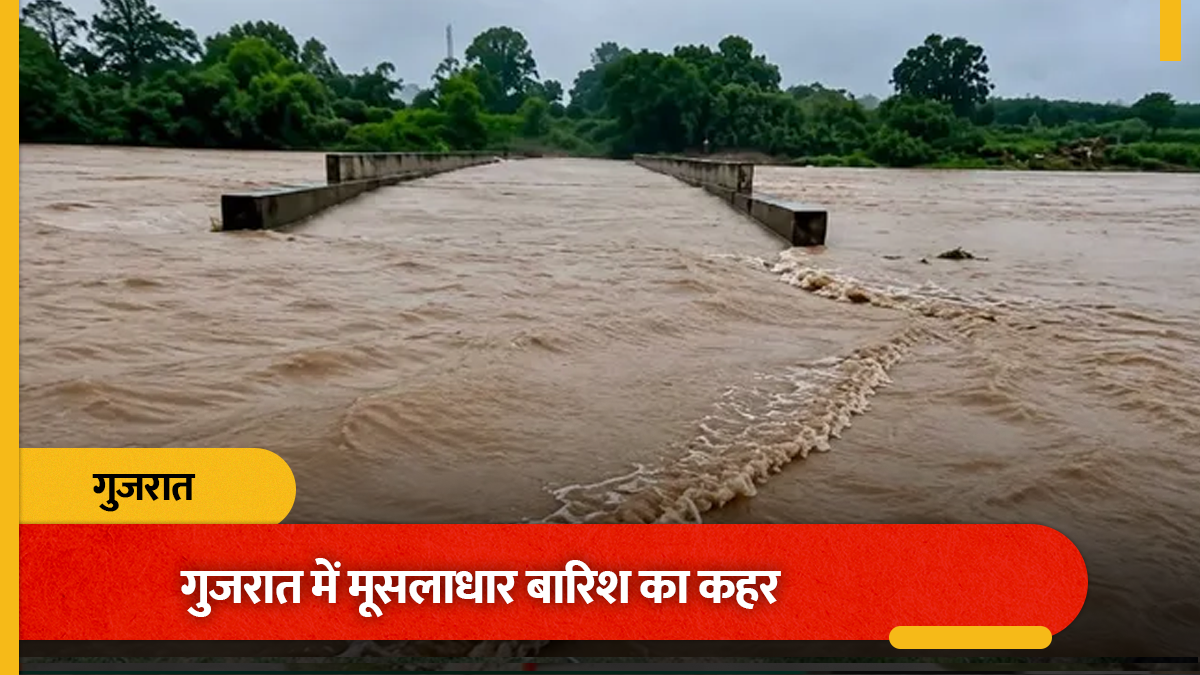
Record‑breaking showers in South Gujarat have crippled daily life, suspending all Surat‑Mumbai rail services and inundating major highways. The Karjan Dam released 30,000 cusecs of water, prompting a high‑alert warning for low‑lying areas.
Key Takeaways
- Umarpada recorded 283 mm of rain in six hours
- All Surat‑Mumbai train services suspended
- Karjan Dam released 30,000 cusecs, high‑alert issued
Historical Background
July‑August monsoons typically bring heavy rain to Gujarat, but the 2026 event surpassed the historic peaks of 2005, 2010 and 2021. The unprecedented intensity exposed gaps in preparedness and highlighted the need for updated flood‑management protocols.
Rainfall Statistics
According to the State Emergency Operation Centre (SEOC), Umarpada logged 283 mm, Umaragam in Valsad saw 251 mm, and Netra‑Netrang in Bharuch received 175 mm within a six‑hour window. Nearby talukas in Valsad, Navsari, Tapi and Dang recorded 120‑170 mm, creating widespread water‑logging.
Impact on Transportation
Western Railway halted every train between Surat and Mumbai, while major services on the Ahmedabad‑Mumbai corridor, such as the Karanvati and Double‑Decker, were forced to stop mid‑journey. A temporary diversion in Umaran village collapsed, cutting off seven neighboring villages from the district headquarters and halting emergency response.
Karjan Dam Water Release
Facing rising water levels in the Narmada‑fed Karjan Dam, authorities opened two gates at noon, releasing 30,000 cusecs into the Karjan River. A high‑alert was issued for downstream districts, urging residents to stay vigilant.
Why This Matters
BozokMedia analysis shows that such unprecedented rainfall not only disrupts daily commute but also strains disaster‑management resources, highlighting the urgent need for resilient infrastructure in monsoon‑prone regions.
"Adopting advanced radar and AI forecasting is essential to anticipate extreme monsoon patterns," says Dr. Anjali Mehta, climatology expert.
Frequently Asked Questions
Q: When will Surat‑Mumbai trains resume?
A: Railway officials expect limited services to restart within the next two‑three days after track clearance and water drainage.
Q: What precautions should residents take?
A: Avoid low‑lying areas, follow official alerts, and keep emergency contact numbers handy.