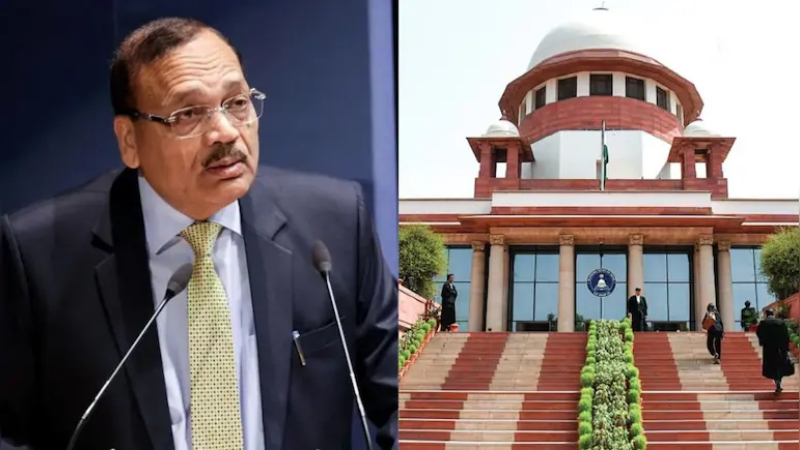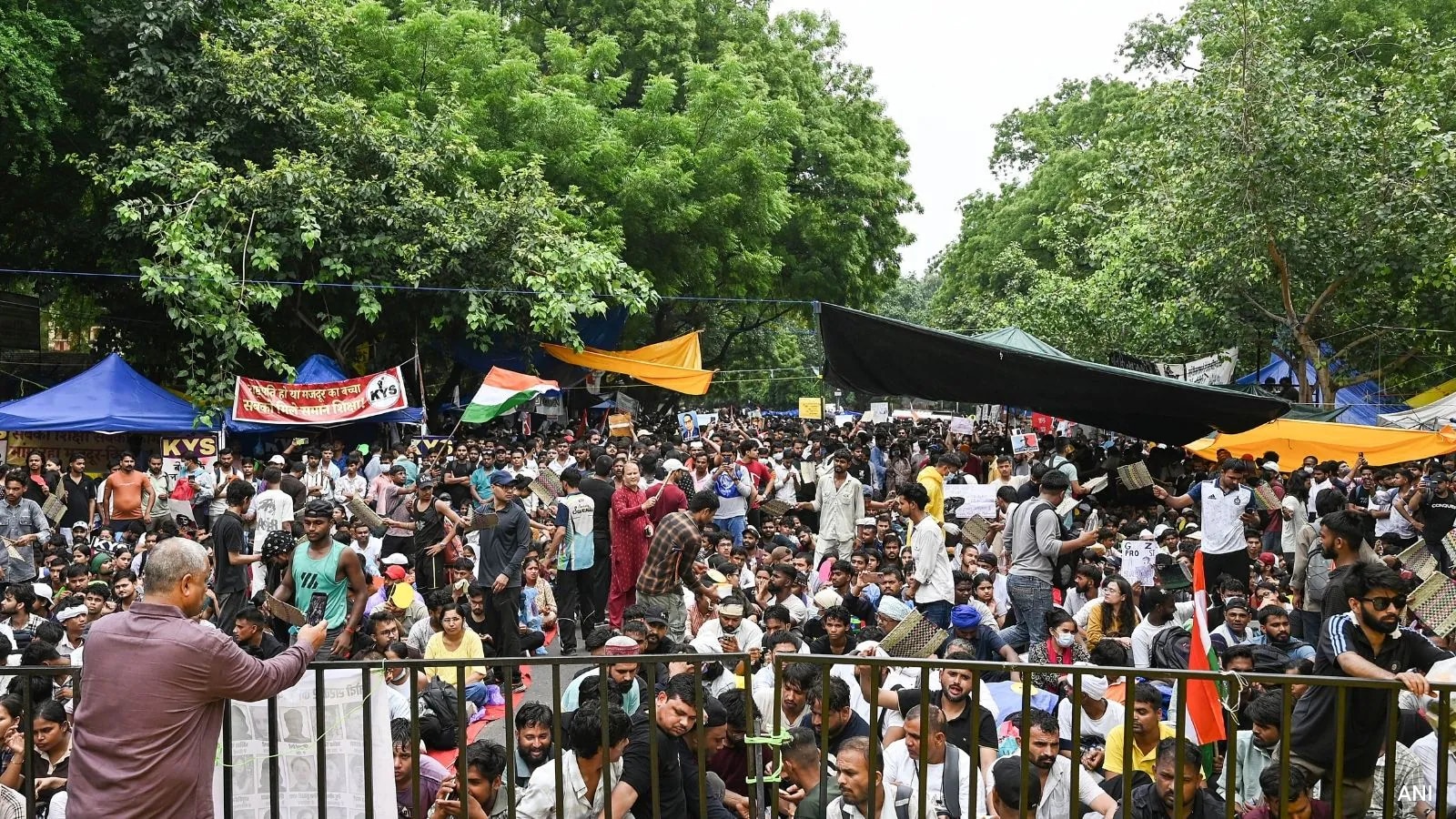
Following intense nationwide protests over exam paper leaks, the government has taken decisive action by dismissing 47 officials from the National Testing Agency (NTA). A complete institutional overhaul is underway.
Key Takeaways
- At least 47 employees have been removed from the NTA following leak controversies.
- A complete overhaul of the NTA is scheduled within the next month.
- Outsourcing methods are being redesigned to ensure a leak-proof examination process.
- New draft bill proposes up to ₹10 crore fine and 10-year jail term for paper leaks.
New Delhi: In a significant move to restore the integrity of national examinations, the government has initiated a massive overhaul of the National Testing Agency (NTA). Sources close to the matter reveal that at least 47 officials have been sacked following the widespread protests regarding paper leaks in major competitive exams.
The restructuring comes on the heels of Prime Minister Narendra Modi's announcement regarding the establishment of fast-track courts to expedite trials in paper leak cases. The government aims to transform the NTA into a more efficient and transparent organization through a committee of experts.
Why This Matters
BozokMedia analysis shows that this crackdown is a direct response to the growing crisis of credibility facing India's premier testing body. By targeting both personnel and the underlying outsourcing mechanisms, the government is attempting to dismantle the organized networks that have compromised the futures of millions of students.
Institutional reform must go beyond mere dismissals; it requires a fundamental redesign of the technological and human oversight mechanisms.
Furthermore, the Union Cabinet has approved a draft bill to significantly escalate penalties. The amendment to the Public Examinations (Prevention of Unfair Means) Act, 2024, seeks to increase the maximum jail term from 5 to 10 years and the fine from ₹1 crore to a staggering ₹10 crore for organized paper leak syndicates.
Historical Background
Established in 2017, the NTA was designed as an autonomous body to conduct high-stakes entrance exams like JEE, NEET, and CUET. While it was meant to standardize testing, recent scandals have sparked massive student-led protests and calls for systemic accountability.
Frequently Asked Questions
1. What is the primary goal of the NTA overhaul?
The goal is to create a leak-proof examination system by changing outsourcing methods and improving administrative accountability.
2. How will the new law affect paper leakers?
The new bill proposes much stricter punishments, including up to 10 years in prison and fines reaching ₹10 crore.