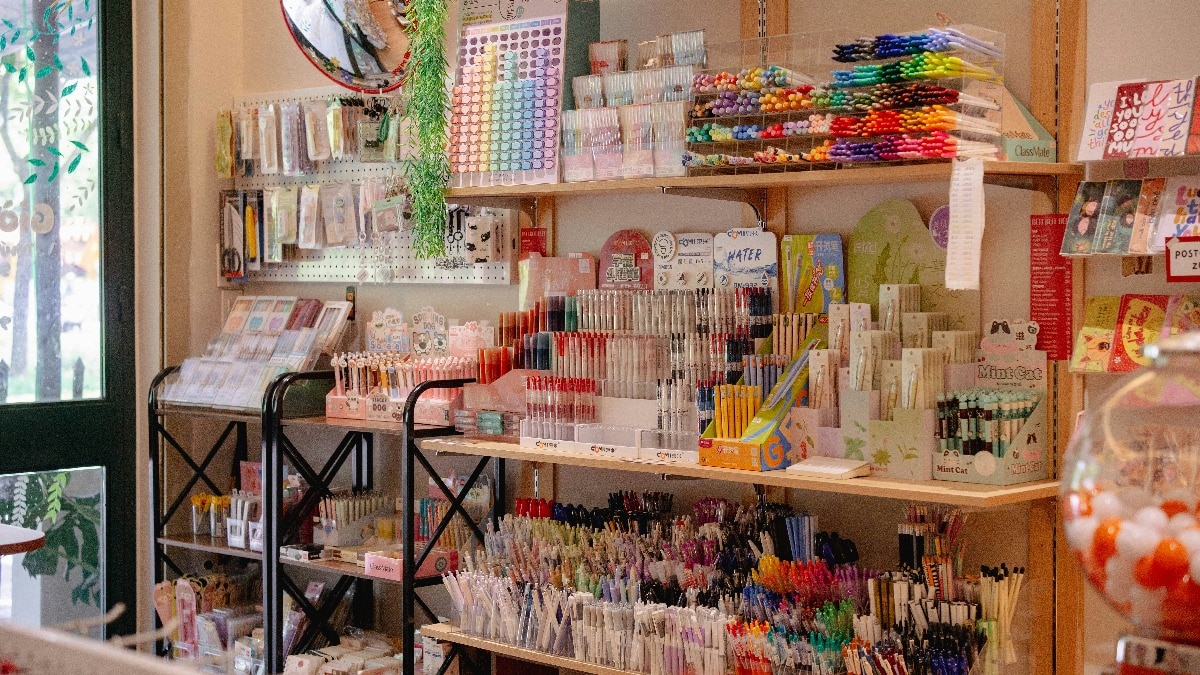
A recent psychological study shows that people who purchase stationery but rarely use it are driven by deeper emotional patterns, not mere hobby shopping. This insight reshapes consumer behavior analysis.
Key Takeaways
- Stationery purchases often mask emotional stress
- Low‑use buyers show signs of underlying anxiety or insecurity
- Understanding this pattern can transform brand strategies
The Psychological Drivers Behind Stationery Purchases
Researchers discovered that many individuals buy pens, notebooks, and rulers as a way to soothe their emotional state. These items become a symbol of security, offering short‑term satisfaction even when actual usage is minimal.
Historical Background
While consumer behavior has been studied for decades, stationery received little focused attention until the 1990s ‘Habit Personality’ models suggested a link between hoarding and personal insecurity. In today’s digital age, this tendency has become even more pronounced.
Why This Matters
BozokMedia analysis shows that grasping this niche behavior can help retailers redesign marketing tactics, cut waste, and boost customer satisfaction.
“Purchasing stationery often serves as an unconscious self‑protection mechanism, not simply a leisure activity.” – Dr. Anita Sharma, Consumer Psychology Expert
Frequently Asked Questions
Question 1: Is this behavior unique to Indian consumers?
Answer: No, similar patterns have been observed worldwide, especially during stressful periods.
Question 2: How can brands leverage this insight?
Answer: By creating packaging and advertising that taps into emotional comfort rather than just price.