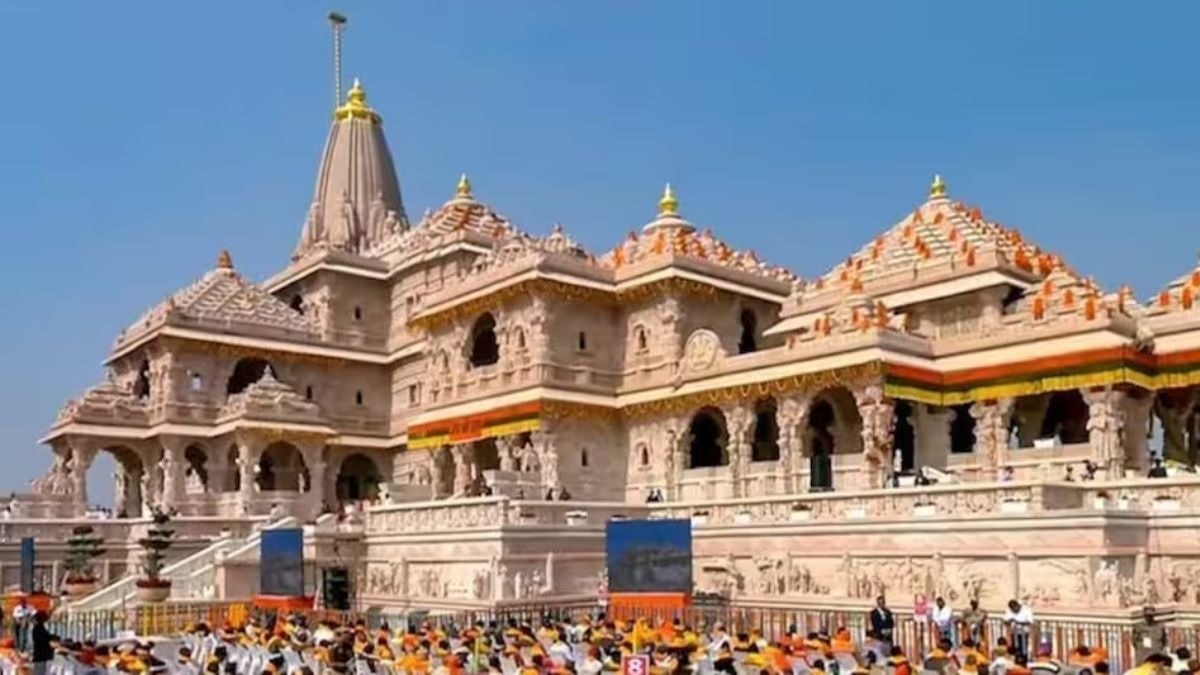
The 10-day atonement and purification ritual at the Ayodhya Ram Temple has concluded with Vedic chants and Havan. The ritual was organized by the Shri Ram Janmabhoomi Teerth Kshetra Trust to restore sanctity following theft allegations.
Key Takeaways
- 10-day purification ritual completed after donation theft controversy.
- 70 Vedic scholars performed Rudrabhishek and Vedic chants.
- Ritual aimed to restore the spiritual sanctity of the temple premises.
- SIT investigation and criminal proceedings regarding the theft are ongoing.
The 10-day atonement and purification ritual at the renowned Ram Temple in Ayodhya, Uttar Pradesh, concluded on Friday with the final offerings (Purnahuti). The ritual was initiated following allegations regarding the theft of offerings donated by devotees. The Shri Ram Janmabhoomi Teerth Kshetra Trust organized this event to restore the sanctity of the temple premises.
Vedic Rituals Performed with Devotion
On the final day, a grand Havan and special puja were conducted in the temple's Yagyashala. Trustee Mahant Dinendra Das and Trustee Krishna Mohan participated as the primary practitioners (Yajman), offering sacred oblations. Approximately 70 Vedic scholars from Ayodhya and other regions led the ceremonies, including Rudrabhishek and Ramarcha Puja.
Following any incident of theft or irregularity in worship, performing purification rituals is a vital part of religious tradition to restore divine energy.
The chief priest of Ram Lalla continuously recited the Vishnu Sahasranama throughout the ritual. The entire program was conducted under the guidance of the Trust's Treasurer, Swami Govind Dev Giri. To mark the occasion, a community feast was organized for local Brahmins.
Why This Matters: BozokMedia Analysis
BozokMedia analysis shows that for a site of such immense global and spiritual significance, security lapses can impact devotee trust. The Trust's decision to perform these rituals serves as both a spiritual remedy and a symbolic gesture to reassure the faithful that the sanctity of the deity remains untainted.
Historical Background
The Ram Janmabhoomi temple stands as a symbol of deep-rooted faith and historical perseverance. As the temple enters its operational phase, managing the vast influx of devotees and the immense wealth of donations presents unique administrative and security challenges that the Trust is currently addressing.
Frequently Asked Questions
1. What was the purpose of this 10-day ritual?
The ritual was performed to seek atonement and restore the spiritual purity of the temple following reports of theft involving devotee donations.
2. Who supervised the purification ceremony?
The ceremony was supervised by Vedic scholars and conducted under the direction of the Shri Ram Janmabhoomi Teerth Kshetra Trust.