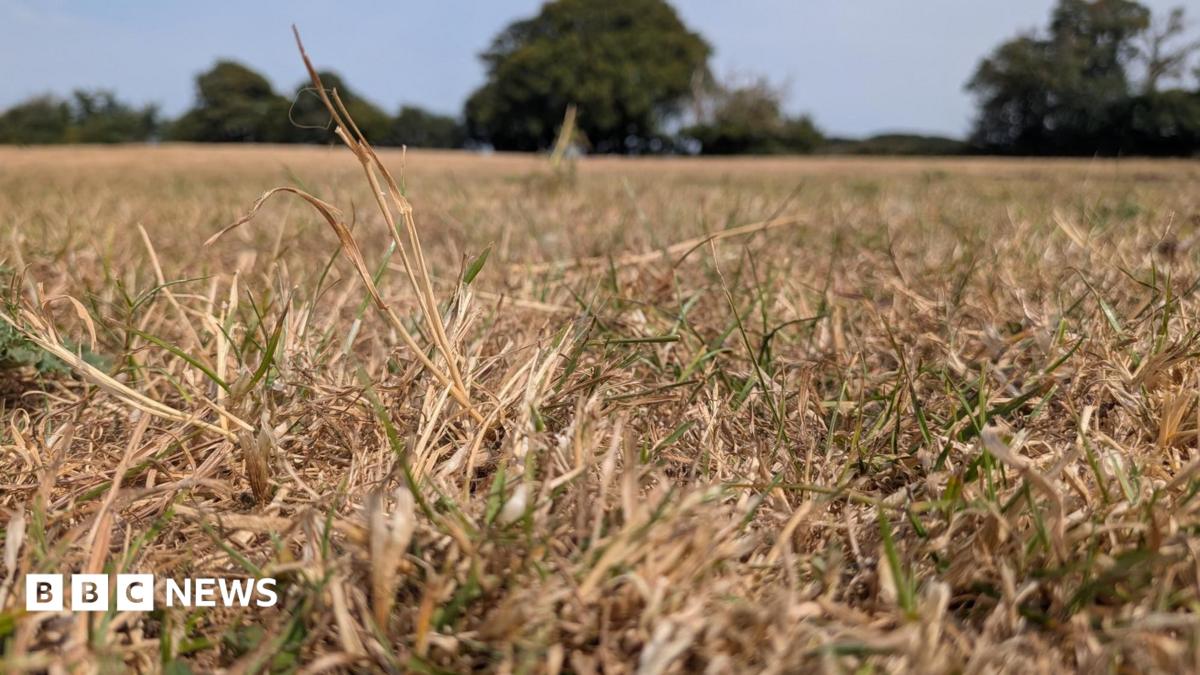
The South East is facing a critical water shortage as heatwaves and lack of rainfall strain reservoirs, rivers, and farmland. Hosepipe bans are in effect as experts warn of ecological damage.
Key Takeaways
- Hosepipe bans have been implemented across the South East.
- July could potentially be the driest month in 190 years of records.
- Low river levels are threatening fish populations and aquatic life.
- Farmers are facing severe challenges due to dry soil and restricted water abstraction.
As the South East braces for persistent hot weather, the impact of this year's third heatwave has become painfully evident. While hosepipe bans are a visible sign of the strain, the crisis extends far deeper into the countryside, affecting rivers, wildlife, and the very foundation of local agriculture.
A Record-Breaking Dry Spell
Meteorologists warn that July could end up being the driest month recorded in 190 years. The region has seen significantly below-average rainfall, with spring receiving only 41% of its long-term average. Consequently, the Environment Agency (EA) has moved Sussex into a state of 'prolonged dry weather,' a critical precursor to a formal drought declaration.
Why This Matters
BozokMedia analysis shows that the lack of precipitation is creating a domino effect across the regional economy and ecology. While reservoirs currently hold higher levels than last year, they are dropping at an accelerated rate due to high demand and lack of replenishment.
"Everything relies on water and we must use water wisely. The more water we use, the less there is available for the environment." — Richard O'Callaghan, Environment Agency
The ecological impact is particularly alarming. Low river flows mean fish are becoming trapped in isolated pools, and rising water temperatures are reducing the dissolved oxygen necessary for their survival.
Impact on Farming and Soil
The ground is reaching a breaking point. The EA reports that soils in the South East are 'very dry,' leading to restrictions on river abstraction for irrigation. Farmers in areas like Romney Marsh, who rely on water for potato and onion crops, are now struggling to maintain yields. Livestock farmers are also facing the dual threat of water scarcity and fodder shortages.
Frequently Asked Questions
1. What is a hosepipe ban?
It is a restriction on using water from mains supplies for tasks like gardening or washing cars to conserve water for essential services.
2. How does dry weather affect fish?
Low water levels trap fish in small pools and increase water temperature, which lowers the oxygen available for them to breathe.