President Donald Trump has directed the Smithsonian's National Museum of American History to post warnings about exhibits he deems "inaccurate," extending previous efforts to purge "woke" ideology from federal museums. Democrats condemn the order as political overreach.
Key Takeaways
- Trump issues an executive order requiring warning signs at the Smithsonian museum.
- The signs will direct visitors to "accurate" sources on American history.
- Democratic lawmakers label the order a political overreach.
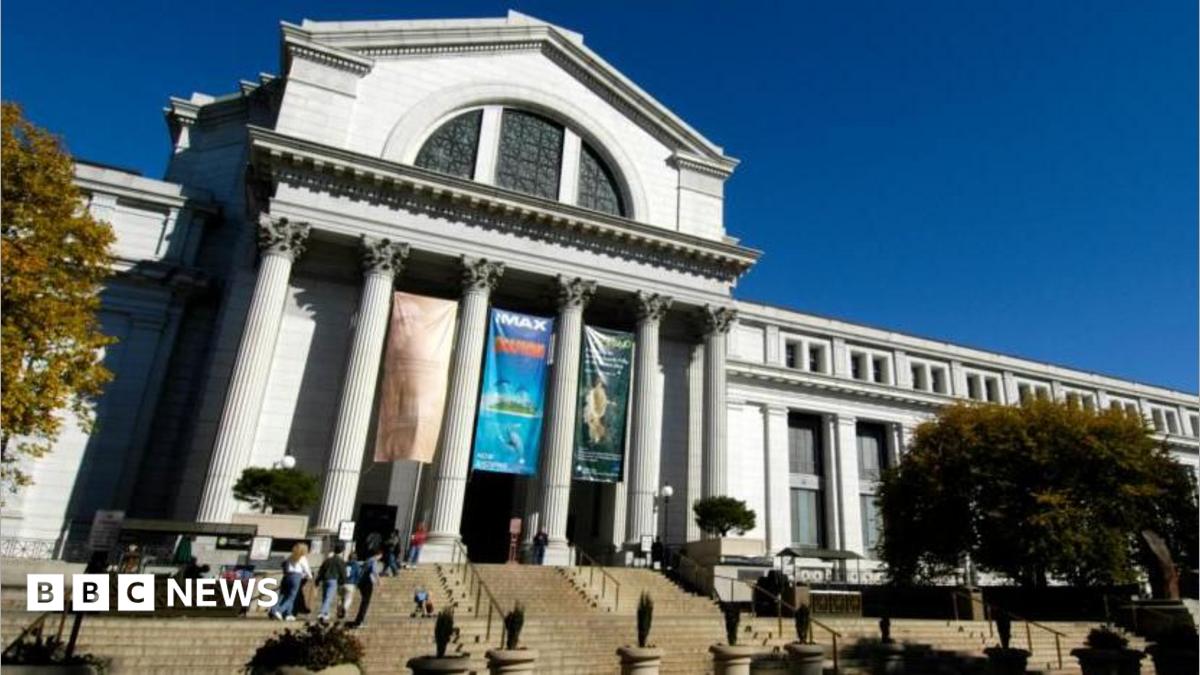
President Donald Trump has signed an executive order mandating the placement of warning signs outside the Smithsonian National Museum of American History, alerting visitors to exhibits his administration considers "inaccurate." The order directs the Department of the Interior to issue the warnings and to point the public toward sources deemed "accurate" for America's history.
The Trump administration has repeatedly accused the Smithsonian Institution, the world's largest research museum, of harboring an anti‑American bias. Earlier this year, a similar directive demanded the elimination of “improper, divisive, or anti‑American ideology” from the museum's displays.
Historical Background
Founded in 1855, the Smithsonian National Museum of American History welcomes 15‑30 million visitors annually, offering free entry to a wide array of exhibits that trace the nation’s cultural and political journey. The Smithsonian operates 21 museums across Washington, Virginia, and New York, including the National Portrait Gallery, the American Art Museum, and the National Zoo.
Why This Matters
BozokMedia analysis shows that such political interference threatens the objectivity of public history and could undermine the independence of cultural institutions. If museums are reshaped to fit a partisan narrative, the long‑term impact on research, education, and civic understanding could be profound.
"An unfettered examination of historical facts is the bedrock of democracy," said historian Dr. Emily Carter.
Frequently Asked Questions
Question 1: What information will the warning signs provide?
Answer: The signs will indicate which exhibits the administration deems inaccurate and will guide visitors to sources considered "accurate" for American history.
Question 2: Will the order affect the museum’s operations?
Answer: Experts warn that the directive could disrupt exhibit interpretation and limit public access to a balanced historical narrative.