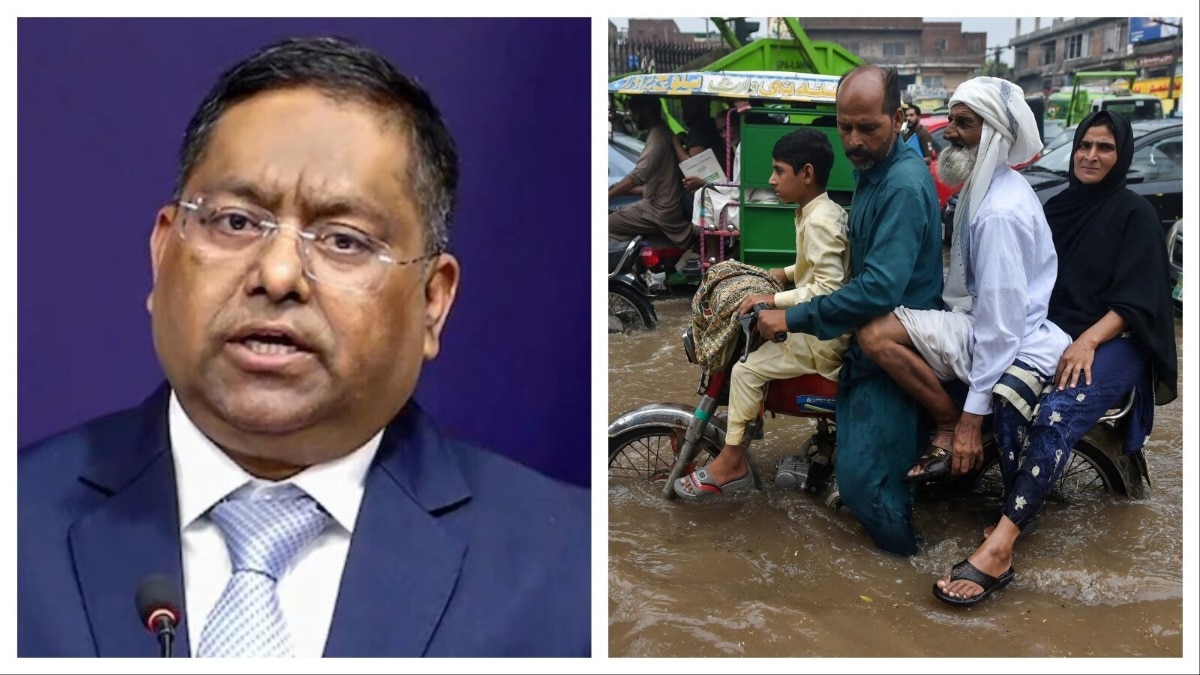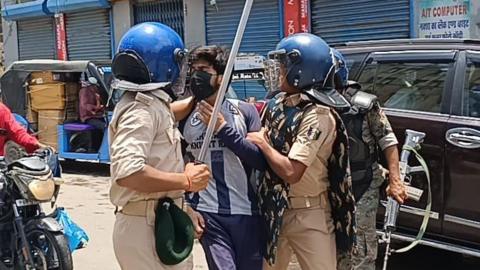
A state-wide 'Bihar Bandh' called by student organizations led to intense protests and police action in Patna and several other districts, demanding the resignation of the Education Minister.
Key Takeaways
- Protests organized by AISA demanding the resignation of Education Minister Dharmendra Pradhan.
- Police used force to disperse protesters in Patna, leading to lathi-charges.
- Significant unrest reported in Siwan, Samastipur, Madhepura, and Chhapra.
- Authorities have detained several individuals for questioning.
The political atmosphere in Bihar turned volatile on Saturday as the state witnessed a massive 'Bihar Bandh' called by the student organization AISA. The protesters are demanding the immediate resignation of Union Education Minister Dharmendra Pradhan and seeking justice for the alleged police brutality against students on July 22nd.
The unrest spread across multiple districts, including Siwan, Samastipur, Madhepura, Gopalganj, Chhapra, and Arrah. In Chhapra, students engaged in heavy demonstrations, while the situation in the capital, Patna, escalated significantly. To manage the growing crowd, the Patna police were forced to resort to a lathi-charge to disperse the protesters.
Why This Matters
BozokMedia analysis shows that the escalating tension between student bodies and the administration highlights a deep-seated discontent regarding educational policies and law enforcement methods. Such widespread unrest can disrupt the academic calendar and strain the relationship between the youth and the ruling government, potentially leading to larger political implications.
The use of force against student demonstrators often acts as a catalyst, turning localized grievances into a larger state-wide movement.
Patna SSP Kartikeya Sharma stated that limited force was used to disperse the crowd and that several individuals have been taken into custody for investigation. Following previous unrest on July 22 and 23, security has been heightened across the state, with police conducting flag marches in sensitive zones.
Historical Background
Bihar has a long-standing tradition of student-led activism that has historically played a pivotal role in shaping the socio-political landscape of India, often challenging both state and central authorities.
Frequently Asked Questions
Q1: Why are the students protesting in Bihar?
A: They are protesting against the Education Minister and the police action taken against them on July 22.
Q2: How has the administration responded?
A: The administration has increased security, conducted flag marches, and used limited force to maintain order.