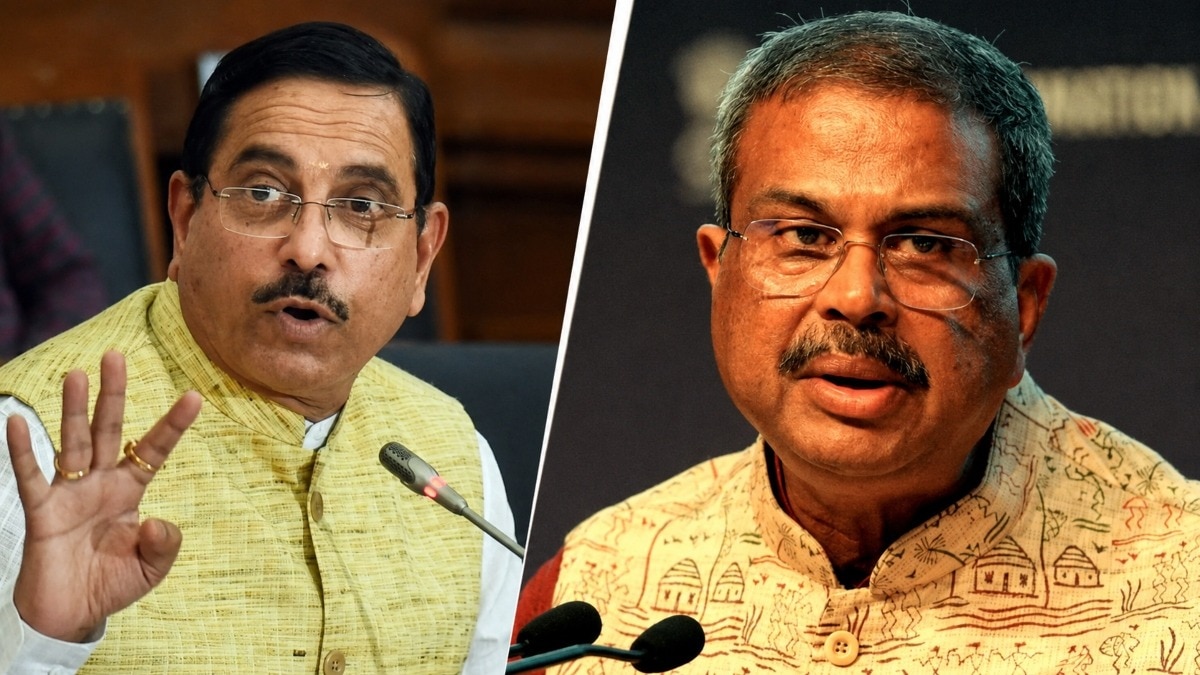
Prahlad Joshi has taken over the Education Ministry amid a credibility crisis, with five major challenges ranging from NTA reform to anti‑paper leak legislation. Restoring the confidence of over 2.5 million students is now his top priority.
Key Takeaways
- Reorganising NTA and shifting to CBT
- Tough anti‑paper leak law and fast‑track courts
- FIR reversals for protesting students and 5‑point charter roadmap
- Rebuilding state confidence in the \"One Nation, One Exam\" model
- Implementing NEP 2020 and addressing student mental‑health crisis
New Delhi – Prahlad Joshi has assumed the helm of the Education Ministry, but the chair he occupies now feels more like a crown of thorns. Recent leaks at the National Testing Agency (NTA) have eroded public trust, while several states have openly resisted centrally‑conducted exams. In this volatile environment, Joshi must win back the faith of more than 2.5 million aspirants and their families.
1. Reorganising NTA and shifting to CBT – Implementing the high‑powered task‑force recommendations to move from paper‑pen mode to Computer‑Based Testing (CBT) is the ministry’s most urgent priority. Cleaning out the agency’s internal "black sheep" and ensuring full transparency are non‑negotiable steps.
2. Tough anti‑paper leak law and fast‑track courts – The newly introduced legislation mandates the rapid formation of a Special Task Force (STF) and fast‑track courts to deliver swift justice against examination mafias, sending a clear deterrent signal.
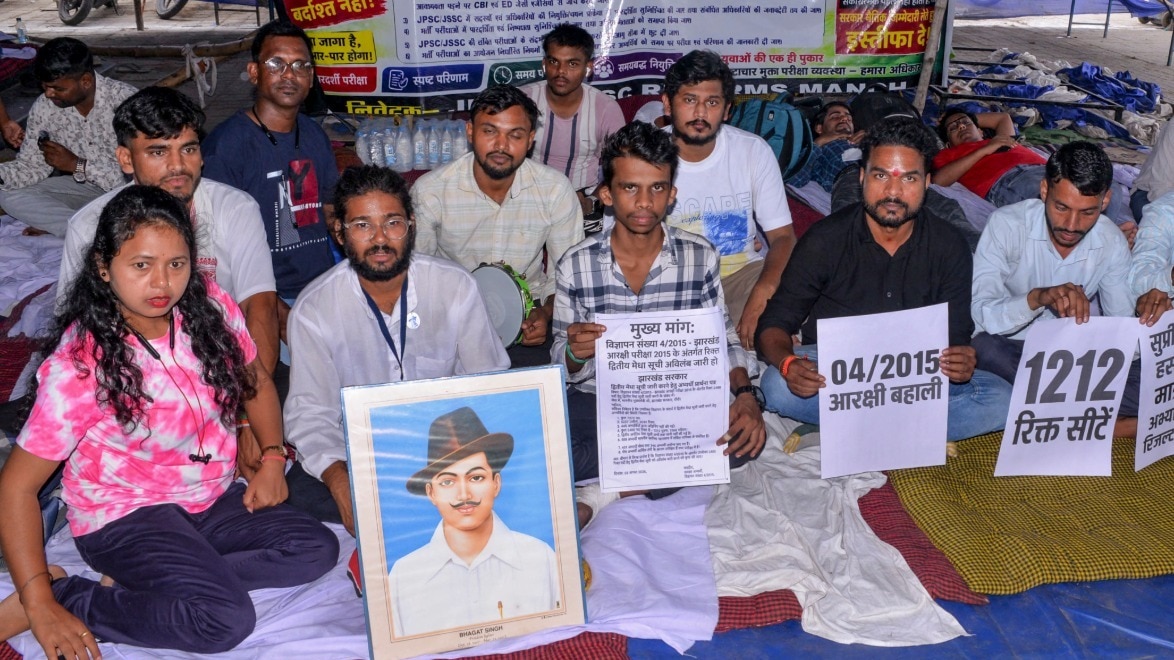
3. FIR reversals for protesting students and 5‑point charter roadmap – After the prolonged Jantar‑Mantar protests, all frivolous FIRs against peaceful demonstrators must be withdrawn, and a concrete four‑week roadmap for the student‑proposed 5‑point education reform charter must be presented.
4. Rebuilding state confidence in the \"One Nation, One Exam\" model – Following glitches in NEET and UGC‑NET, states such as Tamil Nadu, West Bengal and Punjab are demanding the return of state‑level entrance exams. Convincing them that central exams are fully fair, secure, and technically invulnerable is essential for cooperative federalism.
5. Implementing NEP 2020 and addressing student mental‑health crisis – The pressure of high‑stakes exams and a pervasive coaching culture have triggered rising suicide rates. The ministry must reshape curricula to reduce rote learning, enforce mental‑health support in institutions, and embed counseling services nationwide.
Historical Background
India’s past decade has witnessed several high‑profile examination scandals – the 2022‑23 NEET paper leak and the 2024 JEE‑Advanced question‑paper errors being prime examples. These incidents shattered aspirants’ confidence and led to frequent leadership churns in the ministry. Understanding this backdrop underscores why decisive reforms now matter more than ever.
Why This Matters
BozokMedia analysis shows that restoring confidence in the examination system is crucial not only for individual career prospects but also for India’s talent pipeline and global competitiveness.
"Policy on paper means little; real change will rebuild the trust of 2.5 million hopefuls."
Frequently Asked Questions
What is Prahlad Joshi’s top priority? Rapid NTA restructuring, CBT rollout, and enforcement of the new anti‑paper‑leak framework.
Will states accept the \"One Nation, One Exam\" model? Acceptance hinges on proving that central exams are transparent, secure, and free from manipulation.