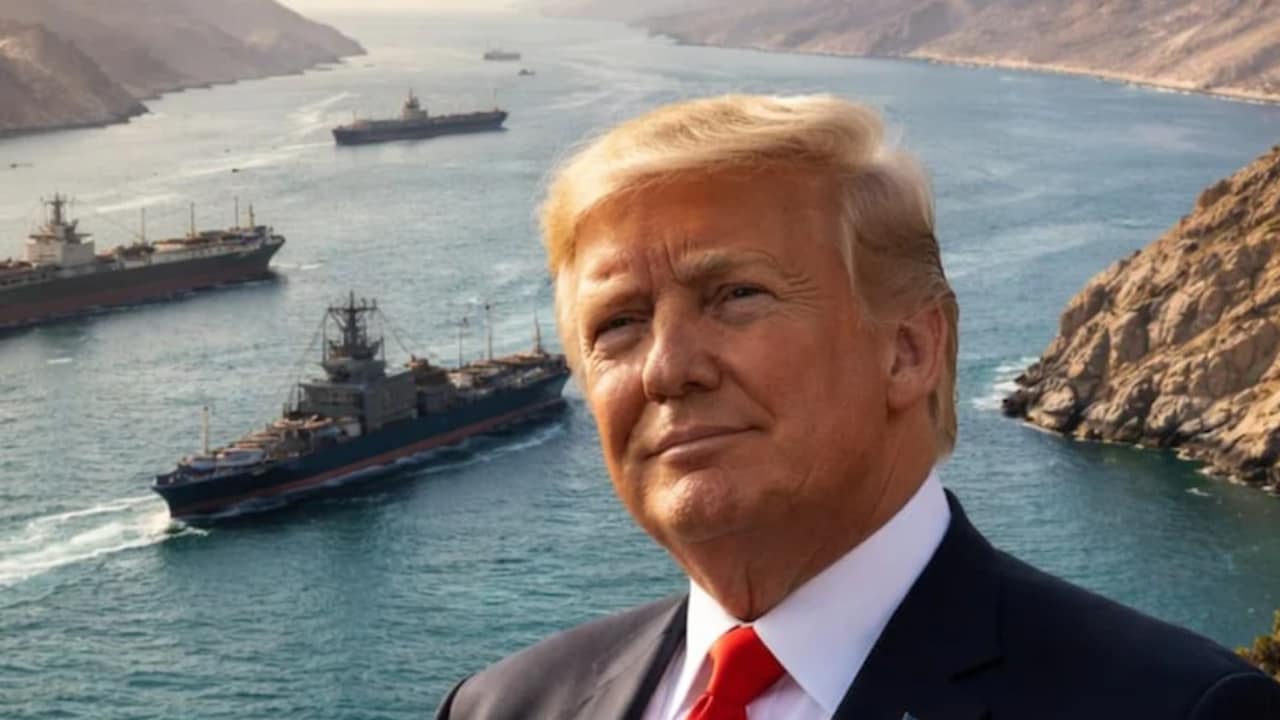
President Donald Trump expressed optimism on Monday, saying there is a good chance a breakthrough could occur in the stalled Iran negotiations, as both nations have refrained from hostilities for the third consecutive day. He added that something significant could happen soon.
Key Takeaways
- Trump voiced optimism about a possible breakthrough in Iran talks
- U.S. and Iran have held fire for a third straight day
- A potential deal could reshape regional stability and global markets
U.S. President Donald Trump told reporters on Monday, “I think there is a good chance that something could happen,” highlighting a rare moment of hope amid months of tension with Tehran. His comment came as both sides observed a third consecutive day of restraint, avoiding any direct military engagement.
The backdrop to this optimism includes a series of sanctions, missile tests, and diplomatic back‑and‑forth that have kept the two countries at loggerheads. Yet, the pause in hostilities signals a possible opening for renewed dialogue, which international observers are watching closely.
Trump emphasized that the “good chance” is not merely rhetorical; he suggested that a concrete agreement could soon be drafted, potentially easing sanctions on Iran in exchange for verifiable nuclear limits and a reduction in regional proxies.
Why This Matters
BozokMedia analysis shows that a breakthrough in US‑Iran talks could reshape regional alliances, impact global oil markets, and set a precedent for diplomatic resolutions in long‑standing conflicts.
“If this negotiation succeeds, it will mark a new diplomatic chapter for the Middle East,” said Middle‑East analyst Dr. Ali Hassan.
Frequently Asked Questions
Question 1: What triggered the recent three‑day ceasefire?
Answer: Both nations responded to mounting international pressure and the prospect of economic incentives, choosing restraint over escalation.
Question 2: What are the next steps if the talks succeed?
Answer: A potential agreement could include sanction relief, increased nuclear inspections, and new security cooperation frameworks.