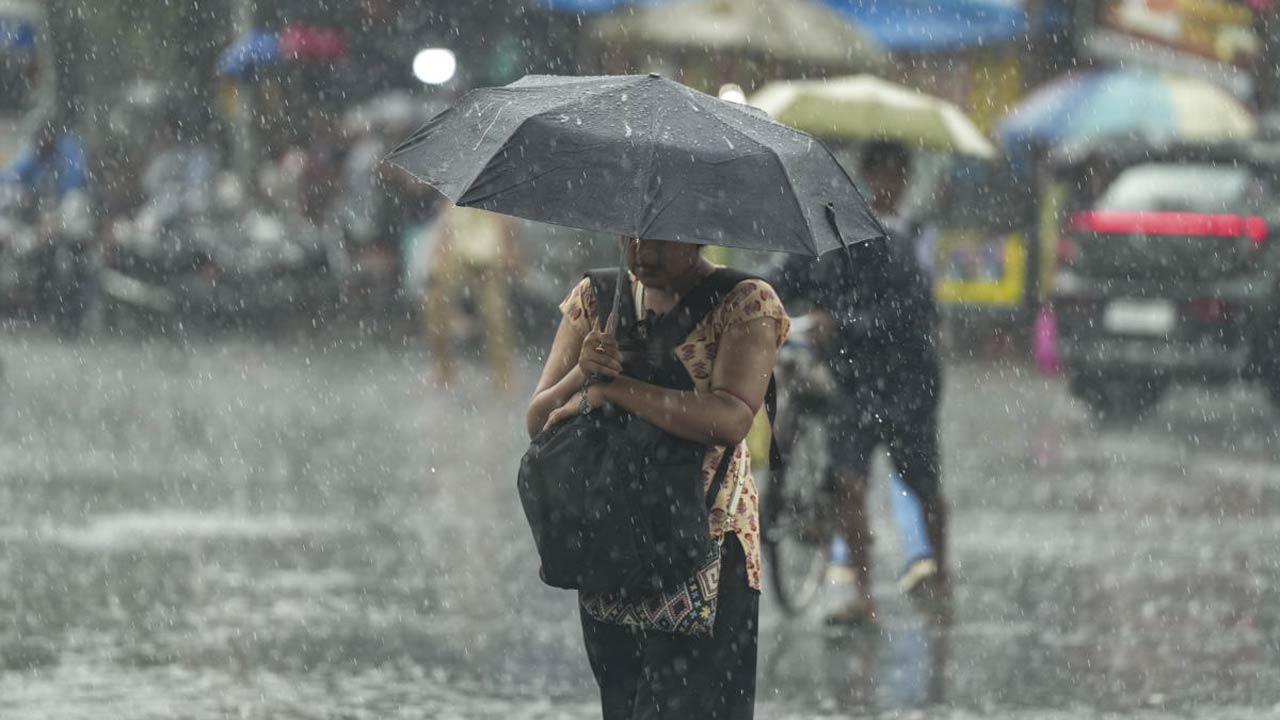
After a series of devastating storms and tornadoes swept through North Georgia and Metro Atlanta, cleanup efforts have officially commenced. Heavy rain, hail, and 50 mph winds have caused widespread damage.
Key Takeaways
- Severe storms and tornadoes struck North Georgia and Metro Atlanta.
- Wind speeds reached up to 50 mph, causing significant structural and tree damage.
- Flash flooding reported in Gilmer County and multiple other regions.
- Cleanup and restoration efforts are currently in progress.
A powerful cold front swept through North Georgia on Tuesday evening, triggering a series of intense thunderstorms, tornadoes, and heavy downpours. The weather event primarily impacted the mountainous regions and the eastern portions of the Metro Atlanta area, leaving a trail of destruction in its wake.
According to reports from FOX 5 Atlanta, the storms brought localized flooding and high-velocity winds reaching 50 mph. Counties including DeKalb, Cobb, Fulton, and Gwinnett were placed under severe thunderstorm warnings as hail and intense lightning accompanied the wind gusts.
Why This Matters
BozokMedia analysis shows that the increasing frequency of such high-intensity weather events poses a significant threat to regional infrastructure and public safety. The rapid onset of flash flooding in areas like Gilmer County highlights the urgent need for improved urban drainage systems and more robust emergency response protocols.
Meteorologists warn that the intensity of these sudden weather shifts is becoming a hallmark of changing climatic patterns in the Southeast.
As of today, cleanup crews have begun the arduous task of clearing debris and restoring power to affected neighborhoods. While the most intense part of the storm has passed, residents are advised to remain vigilant as secondary flooding risks may persist in low-lying areas.
Historical Background
The Southeastern United States, including Georgia, is part of a region prone to severe convective weather. Over the decades, advancements in radar technology and warning systems have significantly improved survival rates, though the physical and economic damage from such storms remains substantial.
Frequently Asked Questions
Question 1: Which counties were most heavily impacted?
Answer: Gilmer, DeKalb, Cobb, Fulton, and Gwinnett counties reported significant storm damage and flooding.
Question 2: Are the storm warnings still active?
Answer: While the primary front has moved, localized warnings may still apply to specific counties; residents should monitor local news.