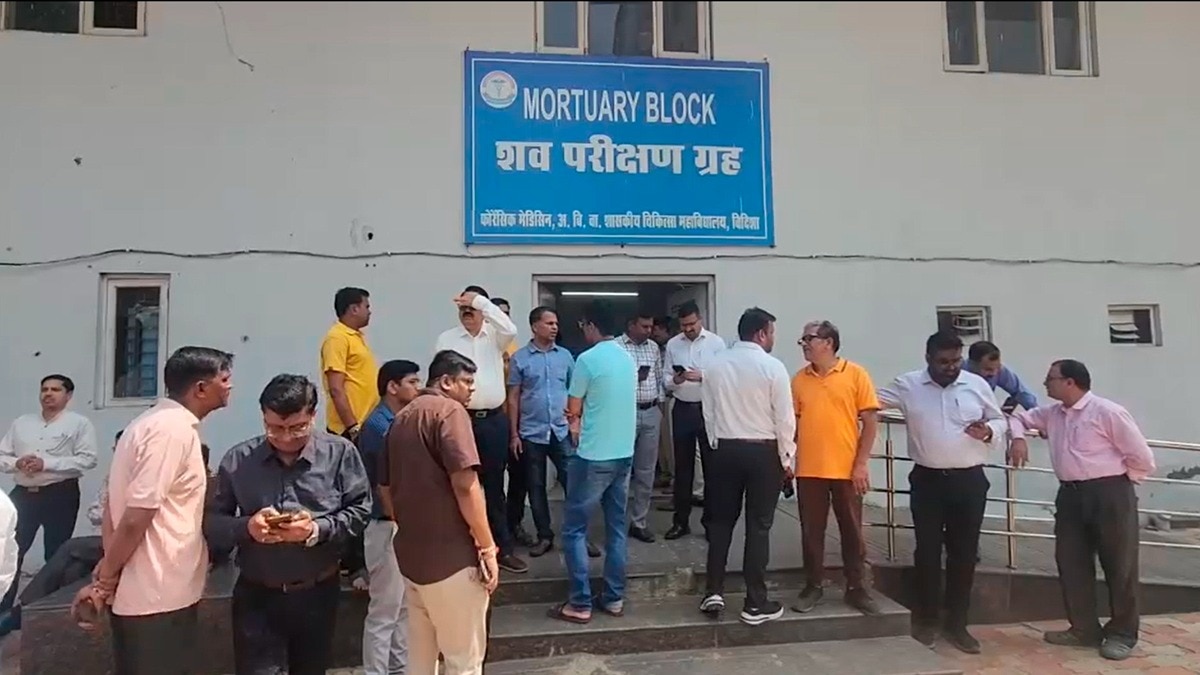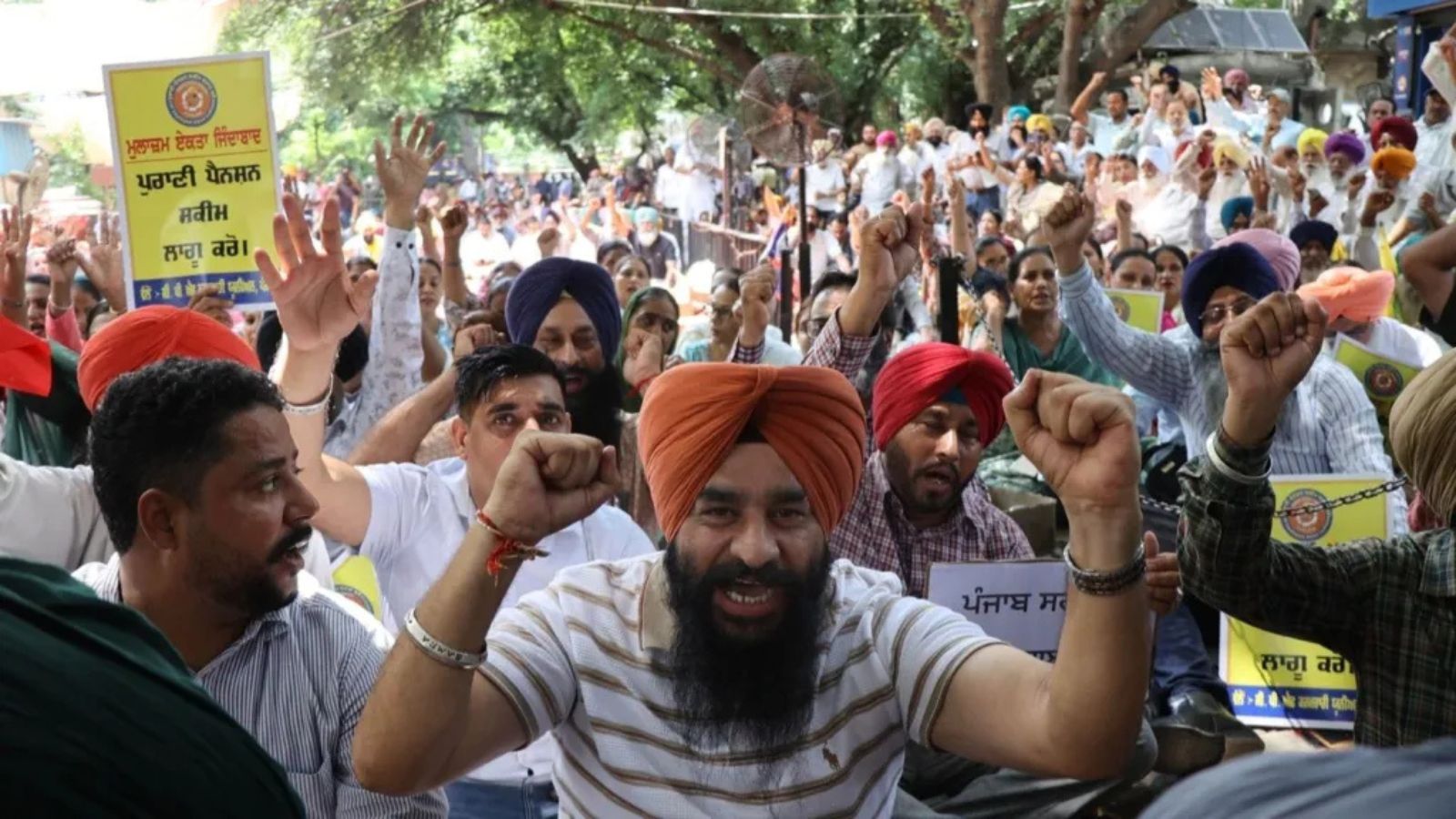
What began as a food safety complaint at a prestigious Ahmedabad school has spiraled into a violent clash over intellectual freedom, turning public gardens into sites of silent resistance.
- A glass shard in a student's meal at Anand Niketan School triggered a wider controversy.
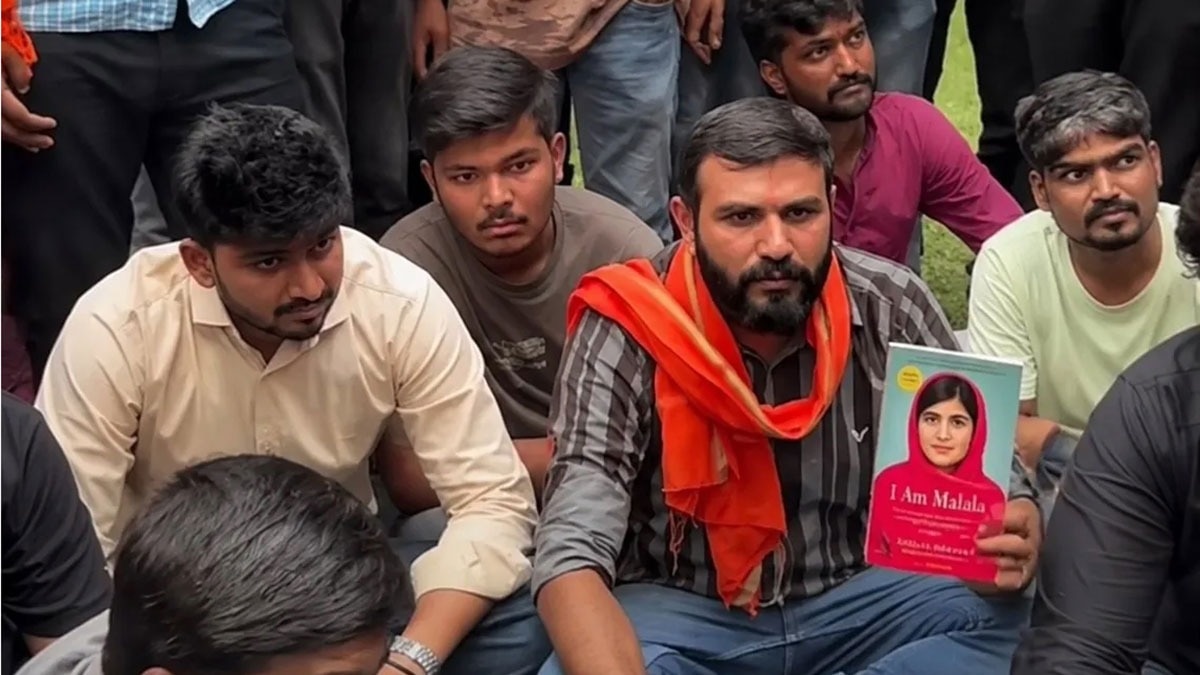
- Protests escalated over the inclusion of books by Malala Yousafzai and Anne Frank in a reading club.
- A peaceful 'silent reading' event by 'Gujarat Reads Anyway' was violently attacked by mobs.
- Public gardens have now become symbolic sites for a silent pushback against intellectual censorship.
In the city of Ahmedabad, the act of silently reading a book in a public garden has unexpectedly evolved into a potent form of political protest. Over the past month, the city's public discourse has plummeted, triggered by an incident that seemed mundane but quickly became a flashpoint for deep-seated ideological tensions.
The Catalyst: A Shard of Glass and Banned Narratives
The turmoil began on August 11 at the Shilaj campus of Anand Niketan School, when an 8th-grade student discovered a piece of glass in his lunch. While the immediate concern was student safety, the narrative shifted rapidly. Parents began questioning the school's optional book-reading club, specifically objecting to Nobel Laureate Malala Yousafzai’s 'I am Malala' and Anne Frank’s 'The Diary of a Young Girl'.
The objections were not based on literary merit but on the religious identities of the authors. The situation escalated when organizations like the Bajrang Dal and ABVP intervened. The school was forced to shut down for a fortnight, during which reports emerged of forced entries and property damage. The District Education Officer (DEO) subsequently issued a show-cause notice and ordered a sweeping inspection of school canteens across the city.
Why This Matters
BozokMedia analysis shows that this is a textbook example of 'outrage escalation'. A legitimate safety concern (food quality) was hijacked to push a censorship agenda. When a society begins to view a paperback book as a threat to its values, it indicates a fragile state of intellectual security. The fact that the school eventually removed the books and restored morning prayers suggests a surrender to pressure over pedagogical freedom.
"The transformation of a public garden into a battlefield over books is a dystopian signal for the future of urban intellectualism."
From Reading Circles to Lynch Mobs
In response to the censorship, the Student and Youth Collective (SYC) and an online group called 'Gujarat Reads Anyway' organized a silent reading event in late August. Around 40 participants gathered with works by Bhagat Singh, Mahatma Gandhi, and B.R. Ambedkar, aiming to send a message that 'Reading is not a crime'.
However, the event turned violent when men armed with hockey sticks and iron rods, allegedly associated with the Bajrang Dal, stormed the gathering. Books were torn to shreds, and participants were subjected to physical assault and humiliation. Shockingly, despite the garden's location on a busy road, bystanders remained silent witnesses to the brutality.
Frequently Asked Questions
Q1: What changes did Anand Niketan School implement after the protests?
The school refunded food fees, removed the recommended books from the club, dismissed two staff members, and restored morning prayers.
It is a grassroots collective of readers who use public spaces to protest against the censorship of literature and the intimidation of intellectuals.