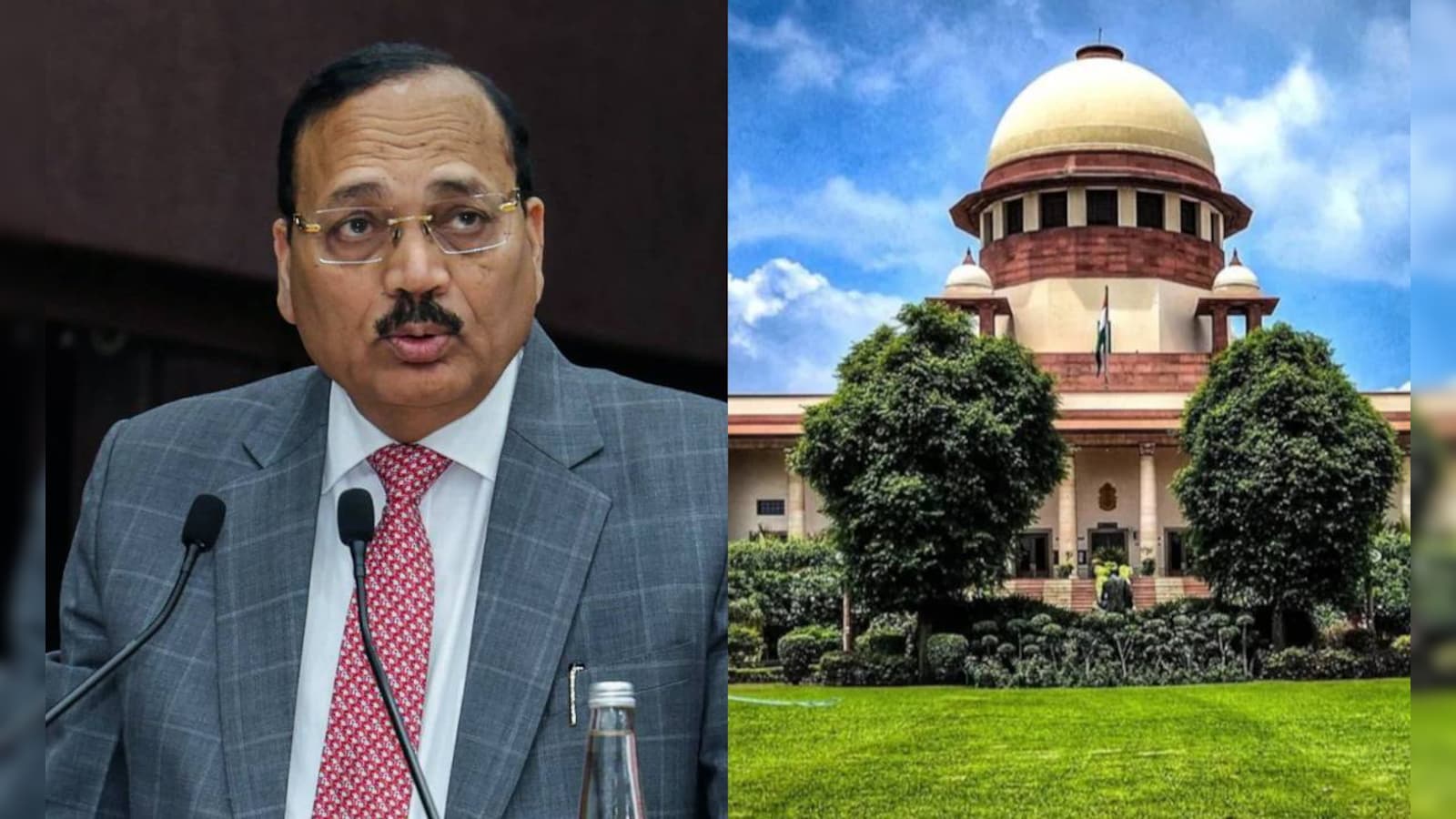
The Supreme Court has ordered the muting of audio during the 'mentioning' of urgent cases. CJI Surya Kant clarified that these are administrative tasks, not judicial proceedings.
Key Takeaways
- Supreme Court mutes audio during lawyer 'mentioning' sessions on live stream.
- CJI Surya Kant defines mentioning as an 'administrative exercise' rather than judicial.
- The move aims to prevent misreporting of oral observations by the bench.
- The court previously banned recording and sharing videos of proceedings on social media.
In a significant procedural shift, the Supreme Court of India on Wednesday implemented a mute function for its live stream audio during the morning session of 'mentioning.' This practice occurs when lawyers approach the Chief Justice of India (CJI) to request urgent listings for fresh matters.
The audio on the live video feed was deactivated during these exchanges, preventing the public and media from hearing the specific requests made by lawyers and the subsequent oral responses from the bench led by CJI Surya Kant.
Why This Matters
BozokMedia analysis shows that this decision is a direct response to the increasing trend of media outlets reporting on brief, informal oral remarks made during administrative sessions. While 'mentioning' is crucial for case management, the remarks made during these sessions are often not part of a formal judicial order, leading to potential misinterpretation and controversy.
Mentioning of urgent matters is an administrative exercise rather than a judicial proceeding and should not be reported as such.
CJI Surya Kant recently criticized the media for 'twisting' his words during a discussion regarding a plea against the Delhi Police. He emphasized that the court is not a '24x7 entertainment channel' and expressed concern over the reckless reporting of oral observations that occur before a matter is formally heard.
Historical Background
The Supreme Court has been increasingly cautious about the impact of live-streaming on the judicial process. Following the widespread availability of digital feeds, the court has introduced measures to ensure that the live broadcast serves to inform the public without turning the courtroom into a spectacle or a source of sensationalist media narratives.
Frequently Asked Questions
1. Does this mute order act as a gag order on the media?
No, the Supreme Court has clarified that this does not prevent news reporting on court proceedings; it only applies to the live audio during administrative mentioning.
2. What is the difference between mentioning and a formal hearing?
Mentioning is an administrative request for a date or urgency, whereas a formal hearing involves legal arguments and judicial orders on the merits of a case.