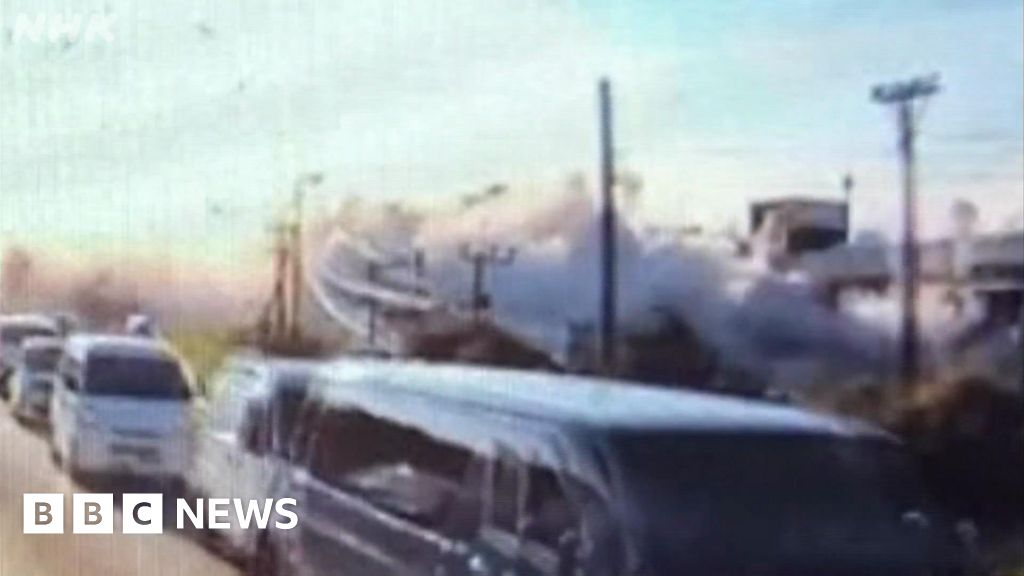
A 6.8 magnitude earthquake struck Kumamoto, Kyushu, causing the Aeon shopping mall to partially collapse and explode, prompting rescue teams to search for survivors.
Key Takeaways
- 6.8 magnitude quake hits Kumamoto
- Explosion and partial collapse of Aeon mall
- Rescue teams continue search for survivors
At 16:27 local time (07:27 GMT) on Tuesday, a 6.8 magnitude earthquake struck Kumamoto prefecture on Kyushu island, rattling the region and triggering severe damage across the area. Within moments, an explosion was reported at the Aeon shopping mall, sending plumes of smoke skyward and causing part of the building to collapse.
A witness described hearing a loud blast and seeing smoke after the tremor, noting that the second floor of the mall gave way. Staff and customers had already begun evacuating, which likely prevented higher casualties as the structure fell.
The mall operator told AFP that the explosion caused a partial collapse and that rescue crews are now sifting through debris to locate any trapped individuals. Local authorities have deployed emergency services to clear rubble and provide medical aid to those injured.
Historical Background
Japan sits atop several major tectonic plates, making it one of the most earthquake‑prone countries in the world. The 2011 9.0 magnitude Tōhoku quake and the ensuing tsunami underscored the nation’s vulnerability and spurred stricter building codes. Yet, high‑magnitude quakes continue to pose unpredictable threats, as evidenced by today’s event.
Why This Matters
BozokMedia analysis shows that the combination of a strong seismic event and an unexpected mall explosion raises urgent questions about urban safety protocols, emergency response readiness, and structural resilience in densely populated zones.
"Japan must re‑evaluate the structural integrity of commercial buildings in seismic zones," says Dr. Hiroshi Tanaka, a seismology professor at the University of Tokyo.
Frequently Asked Questions
Why did the mall explode after the earthquake? Experts suggest that damage to gas lines or electrical systems can trigger secondary explosions following a major tremor.
How long will rescue operations take? While emergency teams arrived within minutes, the extent of the debris means that locating survivors could take several hours.