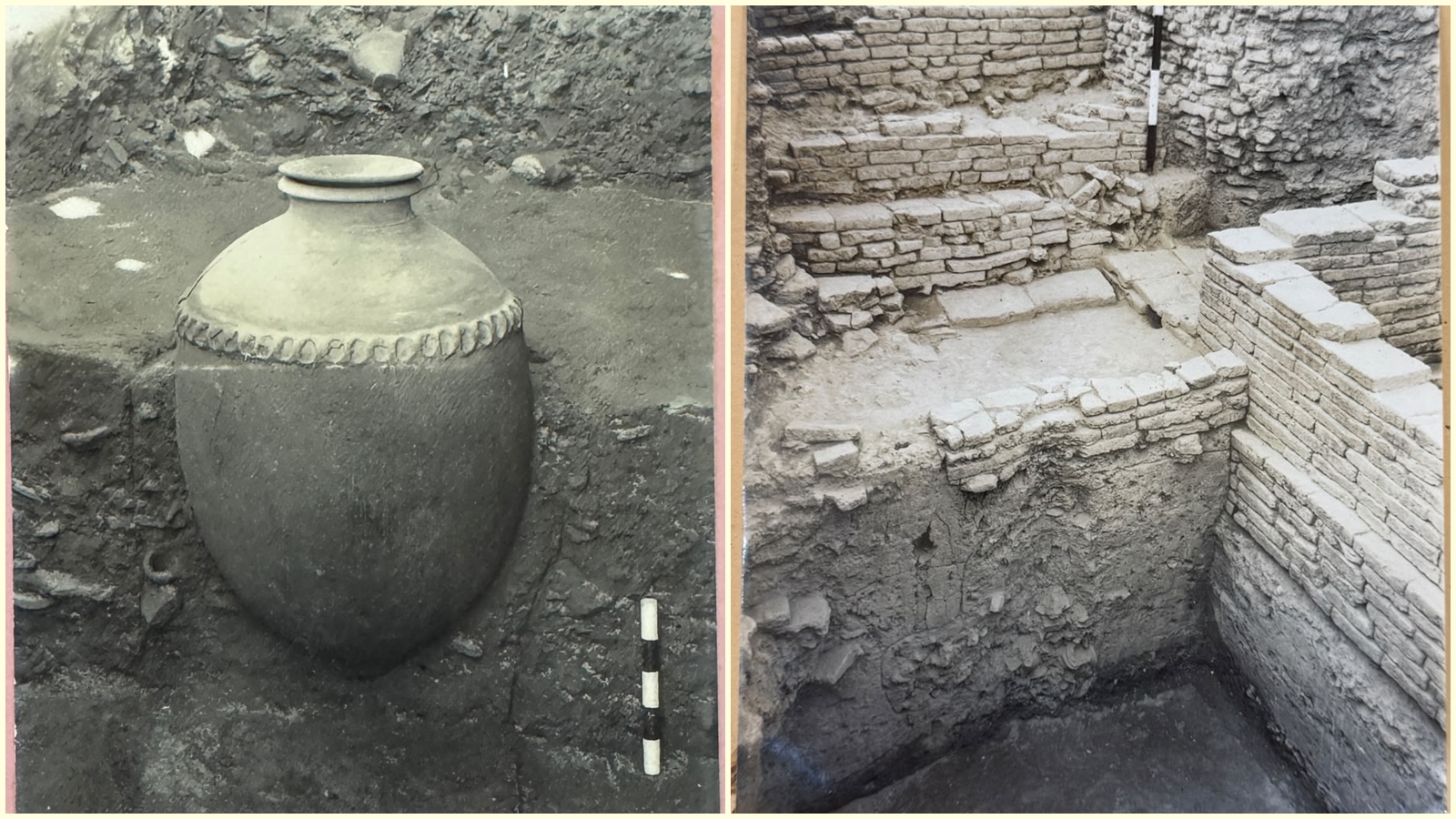
After nearly seven decades, Banaras Hindu University finally opened 22 sealed boxes from the 1957 Rajghat excavation, uncovering over 10,000 artifacts, including 3,000‑year‑old black pottery. The trove also contains thousands of historic photographs, offering fresh insight into India's archaeological heritage.
- 22 boxes yielded more than 10,000 artifacts
- Black pottery dates back roughly 3,000 years
- 5,000+ photographic negatives document endangered sites
Opening the Long‑Sealed Boxes
For almost 70 years the 22 boxes sat untouched at Banaras Hindu University (BHU). On August 20, the university’s Department of Ancient Indian History, Culture and Archaeology (AIHC) finally opened them, revealing material excavated from Rajghat in 1957.
What Was Inside?
According to Professor Mahesh Prasad Ahirwar, head of AIHC, the boxes contain sculptures, ancient coins, tools, stamp seals, and objects crafted from copper, ivory and bone. Notably, painted black pottery—believed to be nearly three millennia old—was among the most striking finds.
Photographic Treasure Trove
Equally significant are the 3,000 glass slides and over 5,000 photographic negatives that capture Rajghat, Manjhi, Ratnagiri, Ajanta and Ellora before decades of weathering, restoration, and modern development altered them.
Why Rajghat Matters
Situated on the north‑eastern fringe of Varanasi near the Ganga‑Varuna confluence, Rajghat is a key site in the middle Ganga Valley. Archaeologists have linked the settlement to ancient Varanasi, the capital of the historic Kashi kingdom, based on seals bearing the name “Varanasi”.
Preservation and Future Research
Vice‑Chancellor Professor Ajit Kumar Chaturvedi emphasized the historical value of the collection, noting that the original excavation pre‑dated modern scientific techniques. Three specialised research teams have now been formed to conserve, document, and study the material.
Why This Matters
BozokMedia analysis shows that the unveiling of these artifacts not only fills gaps in India’s ancient urban chronology but also provides rare visual records that can recalibrate heritage conservation strategies across South Asia.
"The Rajghat assemblage could rewrite our understanding of early trade networks and governance in the Ganga basin," says epigraphy specialist Dr. Ananya Rao.
Frequently Asked Questions
Q1: How old are the artifacts?
A: While the black pottery dates to roughly 3,000 years ago, the collection spans several cultural periods from the 8th century BC to the medieval era.
Q2: What will be done with the photographic negatives?
A: They will be digitised and used by scholars to compare past site conditions with present‑day changes, aiding conservation planning.