The Supreme Court has ordered the Central Government to preserve ammunition records used by rapid action forces during the Delhi student protests. The bench emphasized that pellet guns cannot be used against peaceful protesters.
Key Takeaways
- The Supreme Court ordered the preservation of ammunition registers used by security forces.
- The bench ruled that pellet guns are not permissible during peaceful protests.
- The Delhi government has been asked to ensure top-tier medical care for those injured.
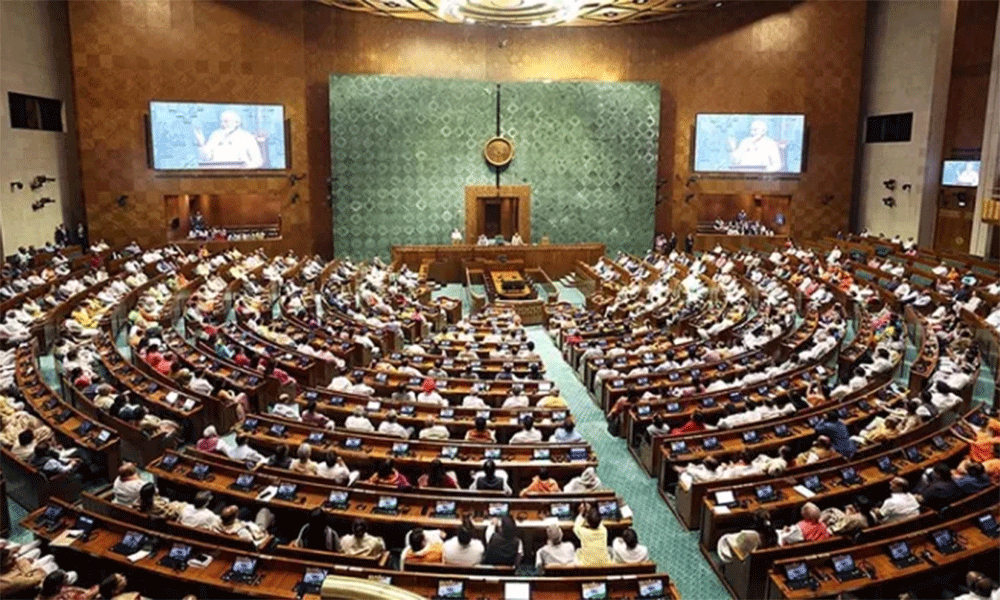
In a significant development regarding the use of non-lethal weapons, the Supreme Court of India has directed the Central Government to safeguard the ammunition registers of the Rapid Action Force used during a recent protest in Delhi. The protest, organized by the Cockroach Janata Party (CJP), saw intense clashes between students and security personnel.
Historical Background
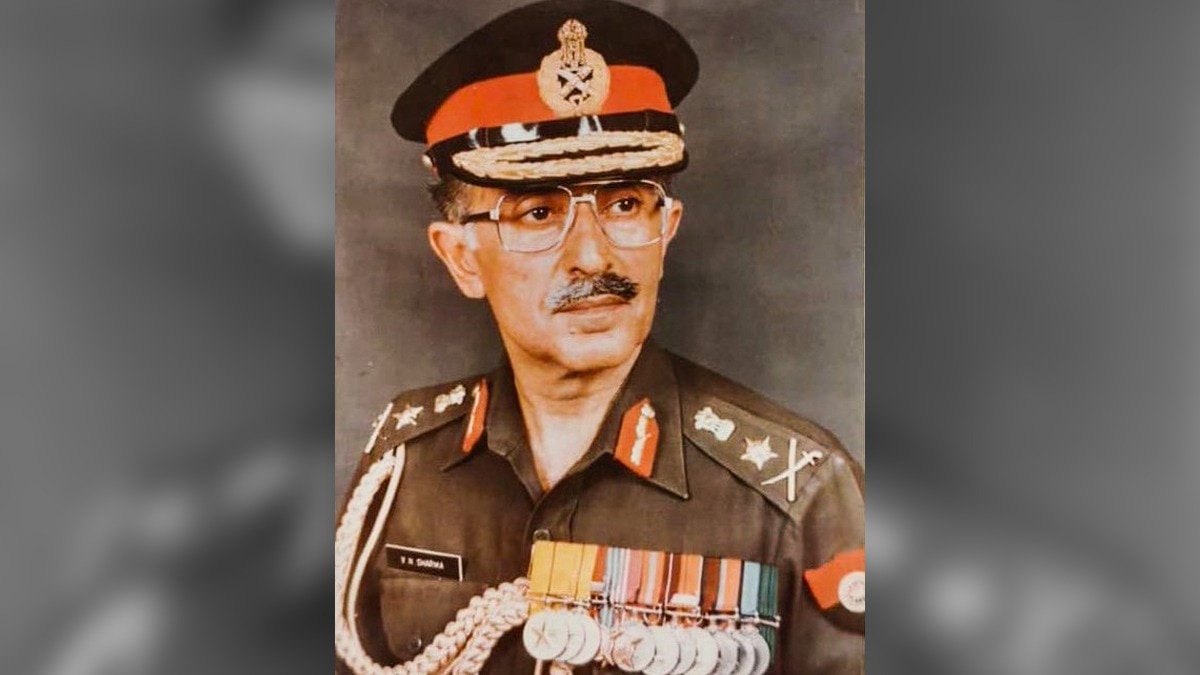
The incident occurred on July 20, when a march led from Jantar Mantar towards Parliament was intercepted by police. The ensuing confrontation resulted in multiple injuries among both protesters and security forces. Two individuals injured by pellet gunfire, alongside former Central Information Commissioner Yashovardhan, moved the Supreme Court via a Public Interest Litigation (PIL).
Legal Proceedings and Court Observations
A bench led by Chief Justice Surya Kant heard the matter, where senior advocate Brinda Grover argued for a nationwide ban on pellet guns for crowd control. The court observed that while the use of pellet guns is permissible in exceptional or extraordinary circumstances, it cannot be tolerated during peaceful demonstrations.
Why This Matters
BozokMedia analysis shows that this ruling sets a crucial precedent for the accountability of law enforcement agencies. It reinforces the principle that the state's power to control crowds must not infringe upon the fundamental right to peaceful assembly.
The use of force must be proportionate; pellet guns in peaceful settings undermine the democratic fabric.
Frequently Asked Questions
1. What was the primary demand of the petitioners?
The petitioners sought a nationwide ban on pellet guns and compensation/medical rehabilitation for those injured.
2. What did the Court say about the ammunition records?
The Court directed the Solicitor General to ensure that the ammunition registers used during the protest are preserved for scrutiny.