Karnataka Chief Minister D.K. Shivakumar's government has yet to complete its cabinet more than two months after his oath, marking one of the lengthiest delays in recent Indian state politics. The postponement stems from intricate internal negotiations over regional, caste, and gender representation.
Key Takeaways
- Approximately 58‑day delay in Karnataka cabinet formation
- Complex intra‑party consultations on regional, caste, and gender balance
- Longer than many recent state examples, though not a national record
Chief Minister D.K. Shivakumar was sworn in on June 3, yet a full Council of Ministers remains unfinalized. Sources suggest the roster could be locked by the weekend of August 2, with the oath ceremony slated for early the following week.
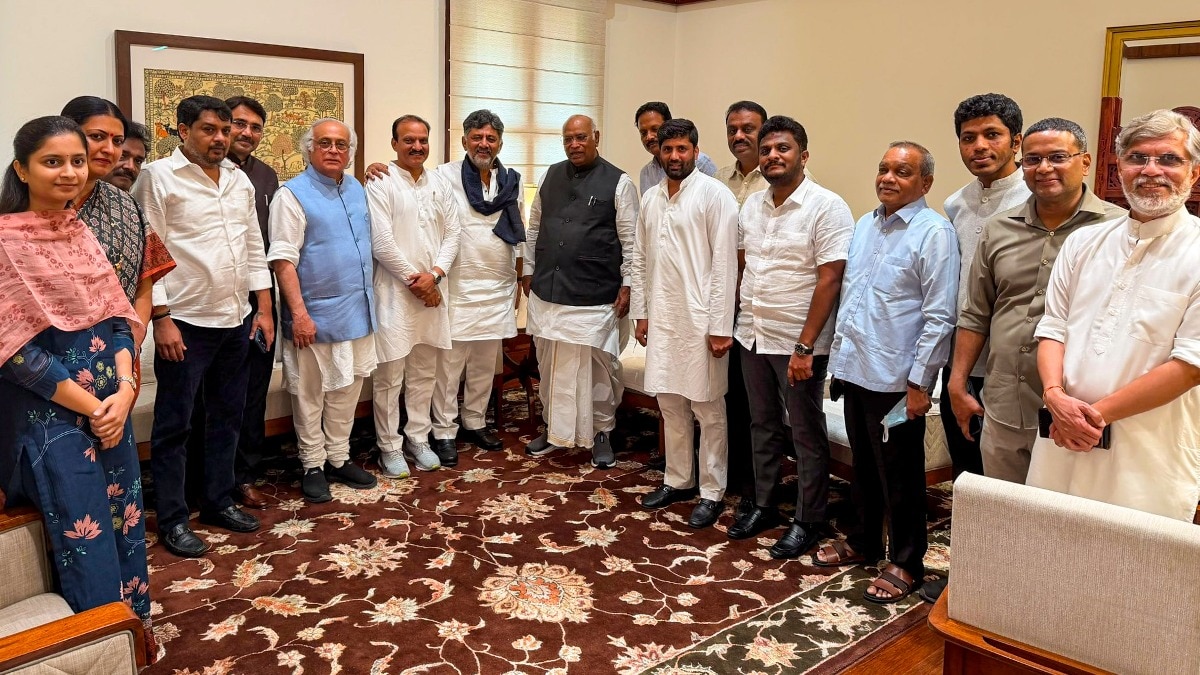
Shivakumar, Congress President Mallikarjun Kharge, and senior state leaders convened at the party headquarters in New Delhi to hash out the expansion. Discussions centered on achieving an equitable mix of regional, caste, community, gender, and generational representation, while reconciling competing factional lists.
Karnataka’s constitutional ceiling permits 34 ministers, including the chief minister, leaving roughly 20 vacancies. The initial batch of 13 ministers received portfolios swiftly, but the remaining appointments stalled pending high‑command clearance.
Comparative Delays
| State | Swearing‑in Date | Time to Full Cabinet |
|---|---|---|
| Karnataka (Current) | June 3, 2026 | ≈ 58 days |
| Telangana (KCR) | Dec 13, 2018 | ≈ 66‑68 days |
| Maharashtra (Shiv Sena Split) | Aug 2022 | ≈ 40 days |
| Himachal Pradesh | Dec 2022 | ≈ 28 days |
Why This Matters
BozokMedia analysis shows that prolonged cabinet formation can hinder policy rollout and invite opposition scrutiny, especially ahead of critical sessions like the upcoming monsoon parliamentary session.
"Delays in cabinet expansion reflect political balancing acts rather than administrative incapacity."
Frequently Asked Questions
Q1: Is there a legal deadline for completing a state cabinet?
A: No, the Indian Constitution does not set a specific timeframe, though extended delays are often criticized as governance lapses.
Q2: How might this delay affect Karnataka’s development agenda?
A: Vacant ministries can stall decision‑making on key projects, particularly those related to infrastructure and climate‑responsive policies.