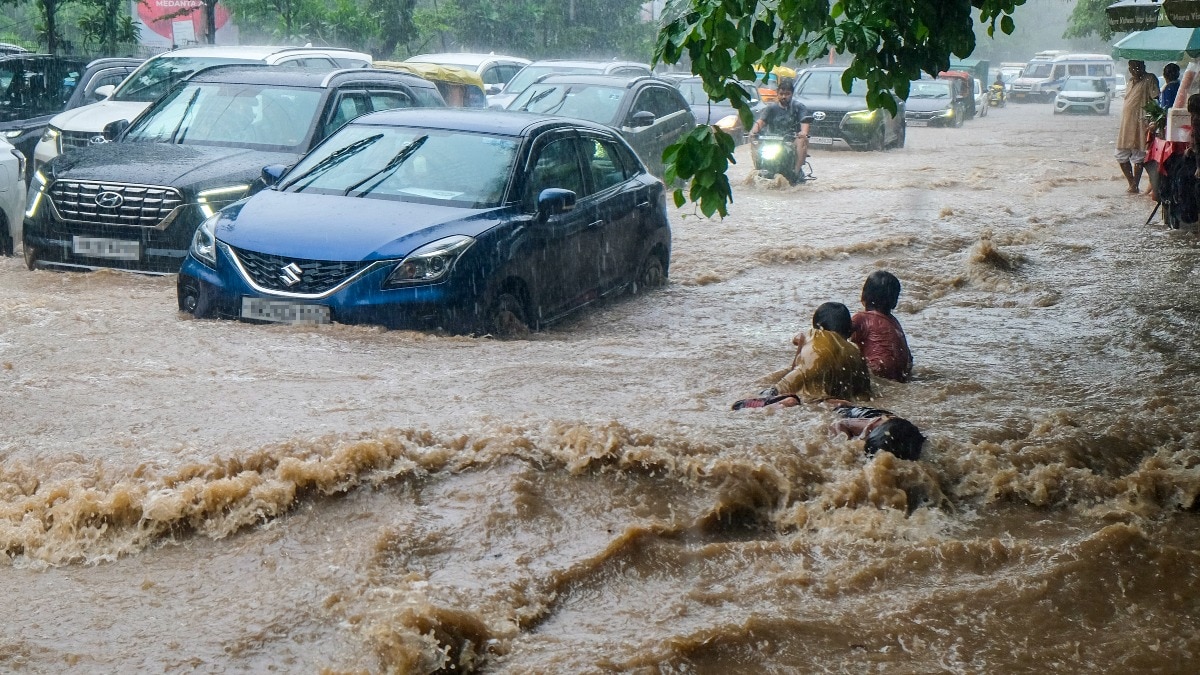
Gurugram is facing a massive urban flooding crisis, with commuters stuck in 4-hour traffic jams. The city's infrastructure has failed once again, leaving residents furious.
- Major arterial roads and underpasses in Gurugram are submerged under heavy water.
- Commuters are facing extreme delays, with travel times increasing up to 4 hours.
- The crisis highlights a massive failure in the city's drainage and urban planning.
The economic powerhouse of Haryana, Gurugram, has once again been brought to its knees by heavy rainfall. The city, often lauded as a 'Millennium City,' is currently facing a reality that residents have mockingly dubbed 'Drowngram'. Streets have transformed into rivers, and the urban landscape is marred by deep waterlogging that has paralyzed movement.
The impact on daily life has been catastrophic. Commuters, including thousands of office-goers, are reporting grueling 4-hour commutes for distances that typically take less than half an hour. This gridlock is not just a matter of inconvenience; it poses a significant threat to emergency services and economic productivity.
Why This Matters
BozokMedia analysis shows that the recurring flooding in Gurugram is a systemic failure of urban infrastructure. Rapid, unplanned urbanization has led to the destruction of natural drainage channels and an over-reliance on concrete surfaces that prevent water absorption, creating a perfect storm during monsoon seasons.
The disconnect between Gurugram's global corporate image and its crumbling monsoon-ready infrastructure is alarming.
Historically, Gurugram's transformation from a rural hinterland to a global tech hub has been one of the fastest in India. However, this growth has largely ignored the fundamental necessity of robust stormwater management. Every year, the same pattern emerges: high-rise buildings and luxury townships rising, while the streets beneath them remain incapable of handling even moderate rainfall.
Public anger is mounting as videos of luxury vehicles submerged in water go viral on social media. Residents are demanding accountability from the Municipal Corporation and state authorities, questioning why billions in investments have not translated into basic flood-resilient infrastructure.
Frequently Asked Questions
1. Why is Gurugram prone to flooding every year?
The primary reasons include unplanned urban expansion, blocked natural drainage, and inadequate sewage systems.
2. How is the flooding affecting the local economy?
Extreme traffic delays and disrupted transport services lead to significant loss of man-hours and logistical delays for businesses.