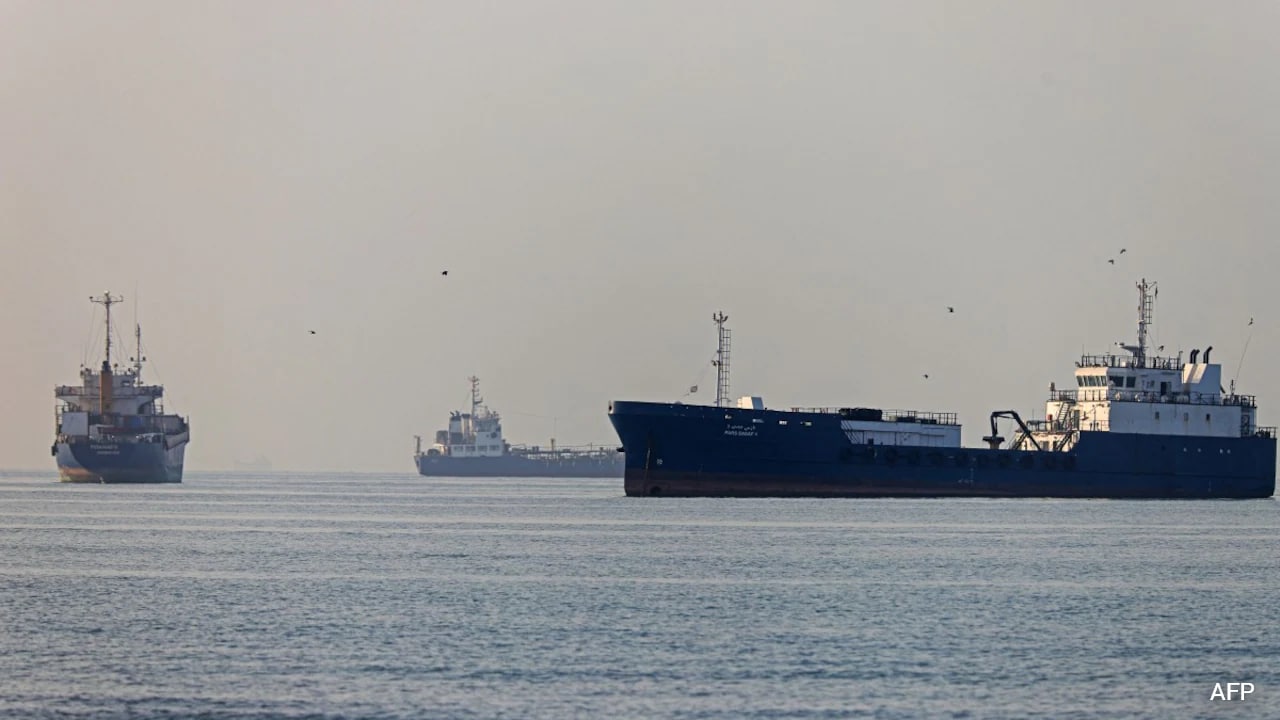
U.S. President Donald Trump announced that discussions are underway to completely reopen the Strait of Hormuz by tomorrow. He also claimed Washington was ready to launch a major military operation against Iran before diplomatic interventions from regional powers.
Key Takeaways
- Trump signals a possible full reopening of the strait by tomorrow.
- The United States had prepared a large-scale military operation against Iran.
- Regional diplomatic efforts helped de‑escalate tensions.
Trump’s Statement Amid Ongoing Diplomacy
President Donald Trump recently declared that talks are progressing to "completely" reopen the Strait of Hormuz as early as tomorrow. The remark came as the United States and Iran continue high‑stakes negotiations aimed at averting a military clash.
U.S. Military Readiness
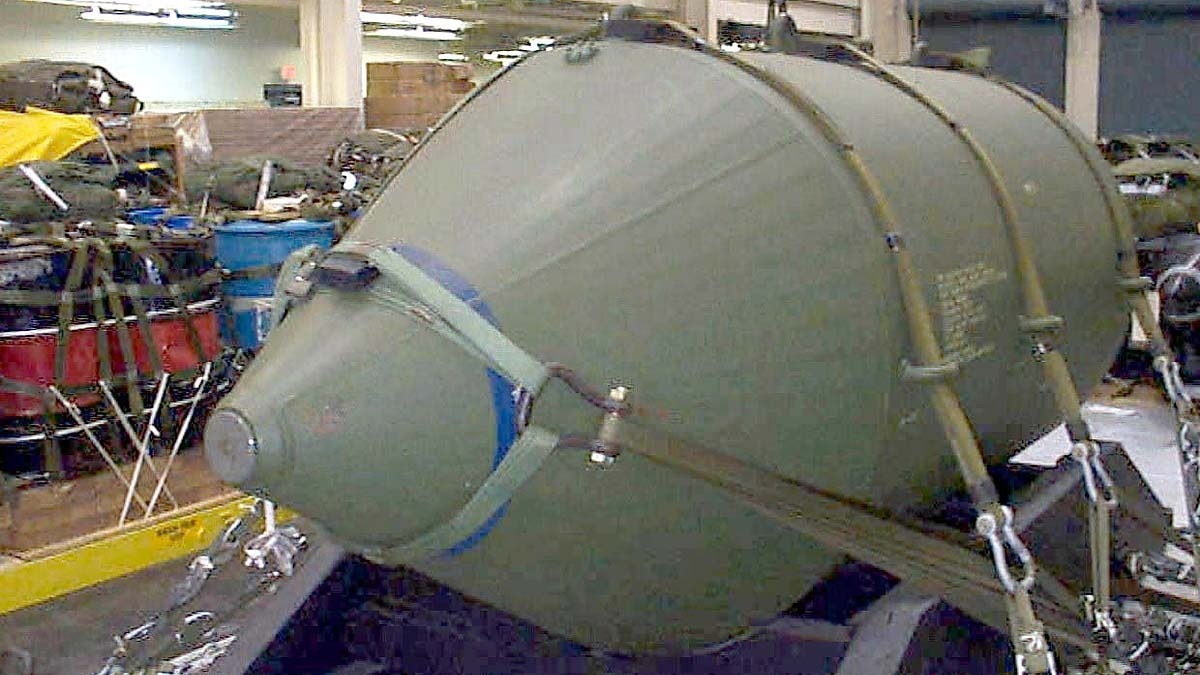
Trump further asserted that Washington was prepared to initiate a major military operation against Iran before regional countries stepped in diplomatically. This admission hints at a shift in U.S. strategic posture in the Persian Gulf.
Historical Background
The Strait of Hormuz is a critical chokepoint, channeling roughly 20% of the world’s petroleum shipments. Past closures in the 1980s triggered sharp spikes in oil prices, underscoring its global economic importance.
Why This Matters
BozokMedia analysis shows that any change in the strait’s operational status can ripple through global energy markets, prompting swift reactions from major powers and affecting worldwide trade dynamics.
International relations scholar Dr. Ali Baner notes, "Trump’s statement offers a hopeful signal for regional stability, yet the path to implementation remains fraught with challenges."
Frequently Asked Questions
Why is the Strait of Hormuz strategically important?
It serves as the main conduit for oil and gas flowing from the Middle East to Europe and Asia, making its security vital for global economic stability.
Does Trump’s statement signal a real policy shift?
It may indicate a preference for diplomatic resolution, yet the mention of a ready military operation suggests a dual‑track approach that could influence future U.S. actions.