When Britain declared war in 1914, India's massive military contribution was met with political betrayal instead of promised self-rule. Discover how the post-war crackdown turned a colonial subject into a revolutionary nation.
Key Takeaways
- Britain's declaration of war on August 4, 1914, forcibly involved India in WWI.
- Over a million Indians served in the British military across global fronts.
- Post-war promises of self-governance were replaced by repressive laws like the Rowlatt Act.
- A significant disparity existed in how British and Indian war dead were commemorated.
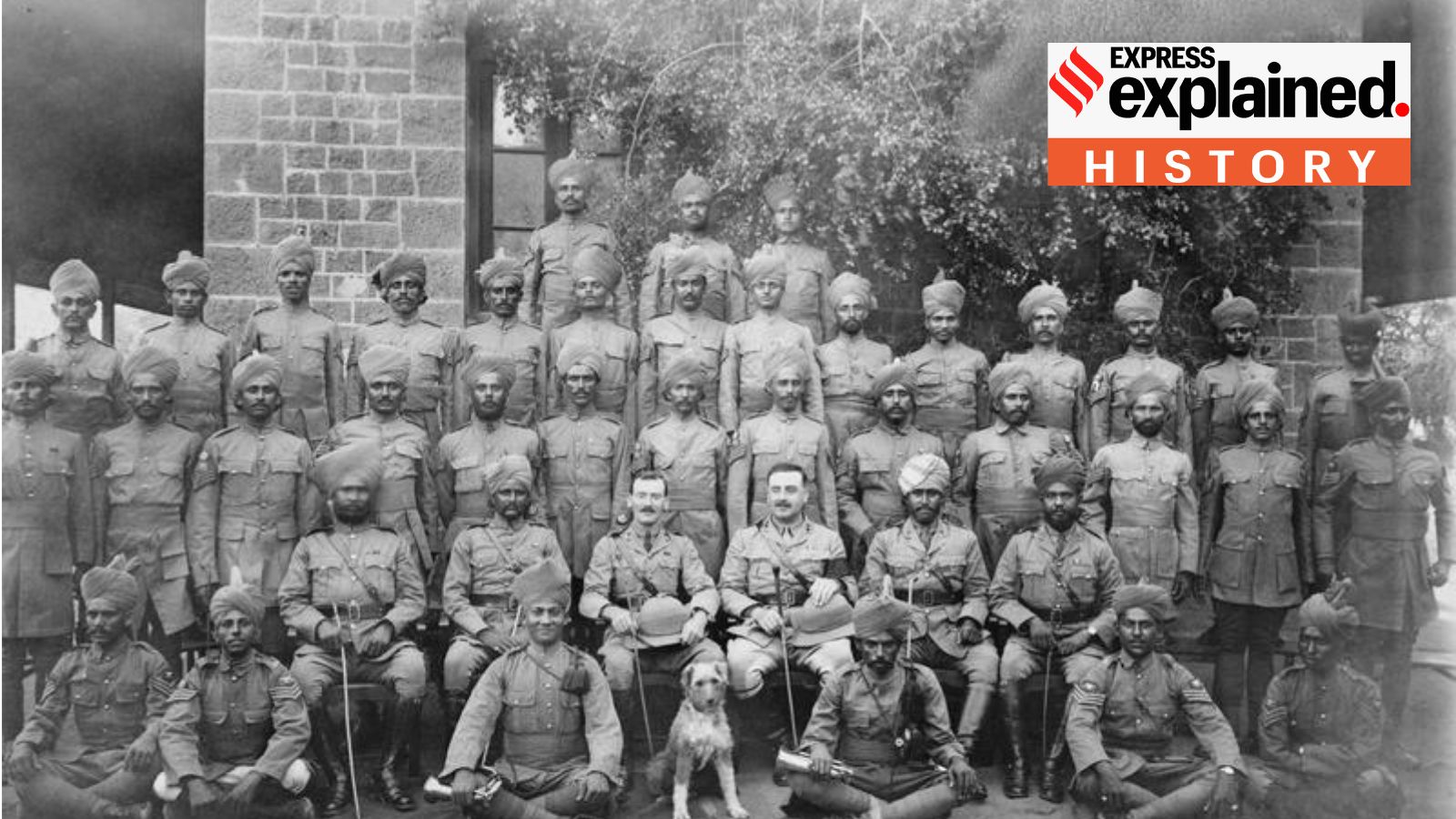
On August 4, 1914, Great Britain's declaration of war against Germany drew the Indian subcontinent into the catastrophic vortex of World War I. With one of the largest voluntary armies in the world, India provided the manpower essential for the British Empire's survival. However, the heavy price paid in Indian lives did not yield the political dividends many had expected.
The Illusion of Self-Rule
As the conflict intensified, the Indian National Congress stepped up demands for constitutional reforms. The 1916 Lucknow session saw a formal urge for Britain to confer self-government upon India. While the British appeared responsive, their true intentions were far more distant. Historian Walter Reid notes that Britain's vision for Indian independence was often measured in centuries, not decades.
Why This Matters: BozokMedia Analysis
BozokMedia analysis shows that the tension between India's military indispensability and Britain's political reluctance created a volatile environment. The more Britain relied on the Indian Army to fight the Ottoman Empire, the more the Indian populace realized their strategic leverage, making subsequent British repression even more explosive.
The war effectively 'put the clock fifty years forward' in terms of political aspirations, even as British policy attempted to wind it back.
The subsequent Montagu-Chelmsford reforms were a half-measure; while they introduced a bicameral legislature, the Viceroy retained overwhelming powers to override any meaningful democratic progress.
Commemoration and Disparity
The inequality of the empire was perhaps most visible in how the war dead were honored. While the Imperial War Graves Commission ensured every British soldier was remembered by name, tens of thousands of Indian soldiers remained mere statistics on official records.
| Metric | British Soldiers | Indian Soldiers |
|---|---|---|
| Memorialization | Individual names recorded | 33,000+ recorded only as numbers |
| Military Rank (Post-War) | High-ranking officers | No Indian officer above Captain by 1930 |
Frequently Asked Questions
1. What was the impact of WWI on the Indian National Movement?
It raised expectations of self-rule and created a sense of betrayal when Britain introduced repressive laws instead of reforms.
2. What was the Rowlatt Act?
A repressive legislation passed after the war that allowed the government to imprison political activists without trial, fueling widespread unrest.
Editor's Comment
The British Empire's failure to honor the blood spilled by Indian soldiers was a strategic blunder of historic proportions. They won the war on the battlefield but lost the moral authority to rule India.