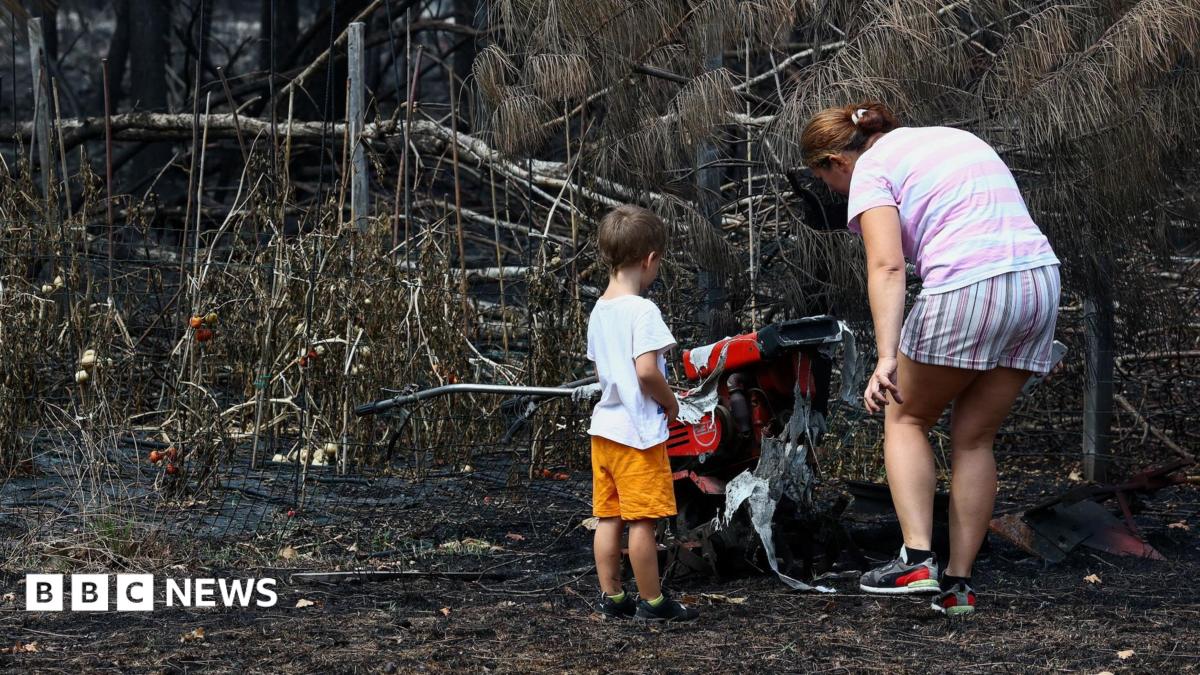
A wildfire in the Gironde region of southern France has uncovered a cache of 400 World War II shells. Over 180 homes were destroyed, but de‑mining work continues as some zones remain off‑limits.
Key Takeaways
- Wildfire in southern France uncovers 400 WWII shells
- Explosions initially thought to be gas cylinders were old munitions
- Demining continues; some zones remain off‑limits
A forest fire sweeping the Gironde region has exposed a cache of 400 historic shells and munitions buried in the village of Le Porge, dating back to World War II. Firefighters reported more than 100 explosions on the second night, which the mayor likened to “the sound of war.”
Historical Background
During World II, both German and French forces stored large quantities of ammunition in the area, many of which were never cleared after the conflict ended. Over decades, these caches became part of the underground landscape, hidden from view until the recent fire.
Why This Matters
BozokMedia analysis shows that dormant ordnance can become deadly when exposed to extreme heat, posing a dual threat to civilians and emergency responders. The incident highlights the urgent need for systematic de‑mining in historic war zones, especially as climate‑driven fires grow more frequent.
"The activation of unexploded ordnance during wildfires is a stark reminder of hidden wartime legacies," said Dr. Marie Dupont, senior explosives safety analyst.
Frequently Asked Questions
Q1: Have all the discovered explosives been safely neutralised?
A: No, certain zones remain restricted while de‑mining teams continue their work.
Q2: How has the local community been affected?
A: Over 180 homes were destroyed, but residents are gradually returning as safety zones are cleared.