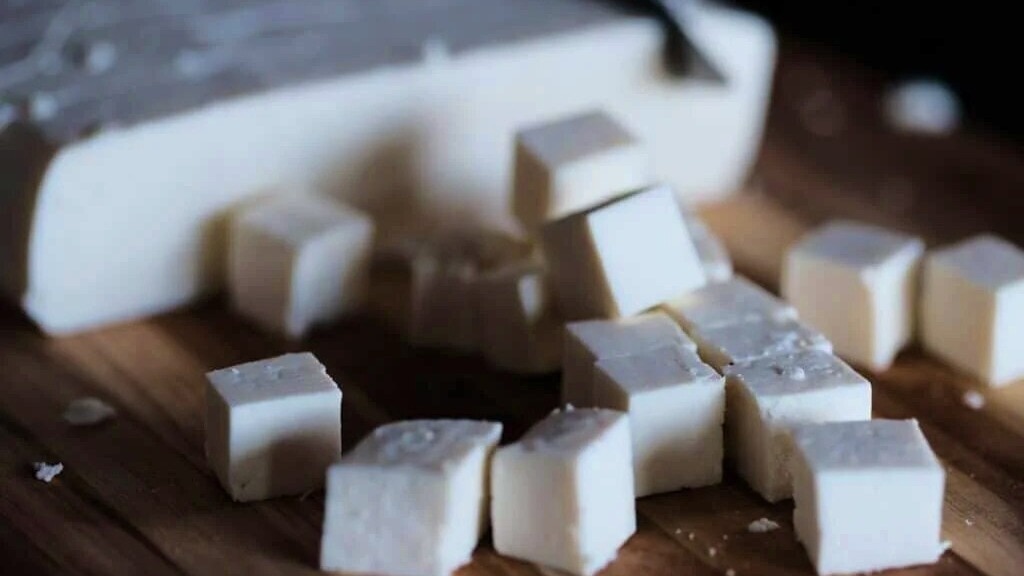
The Maharashtra government has imposed severe penalties—up to six months in jail and a fine of ₹1 lakh—on anyone selling fake paneer, aiming to ensure transparent labeling and safeguard consumer rights.
Key Takeaways
- Up to 6 months jail for selling fake paneer
- Fine up to ₹1 lakh for violators
- Consumers must check labeling carefully
What Is “Fake Paneer”?
Fake paneer refers to products marketed as traditional dairy paneer but actually made from non‑dairy ingredients such as vegetable oils, starches, and emulsifiers. When sold without clear “analogue paneer” labeling, these items mislead buyers.
What Is Analogue Paneer?
Analogue paneer is a cheese‑like product designed to mimic the appearance and texture of real paneer while using vegetable fat instead of milk fat. It is legal only if manufactured under food‑safety standards and labeled accurately.
Historical Background
India has witnessed a surge in food fraud cases over the past decade, notably the 2015 nationwide scandal involving counterfeit dairy products. Those incidents prompted several states to tighten food‑safety enforcement, culminating in Maharashtra’s recent crackdown.
Why This Matters
BozokMedia analysis shows that Maharashtra’s decisive move could inspire other Indian states to adopt similar labeling mandates, fostering greater transparency across the dairy industry.
"Clear labeling is the cornerstone of consumer trust, and this enforcement will drive higher compliance among manufacturers," says food‑safety expert Dr. Ajay Singh.
Frequently Asked Questions
Is analogue paneer illegal? No, it is lawful provided it meets safety standards and is sold with correct labeling.
How can consumers spot fake paneer? Verify the ingredient list, beware of unusually low prices, and purchase from reputable brands or licensed dairy outlets.