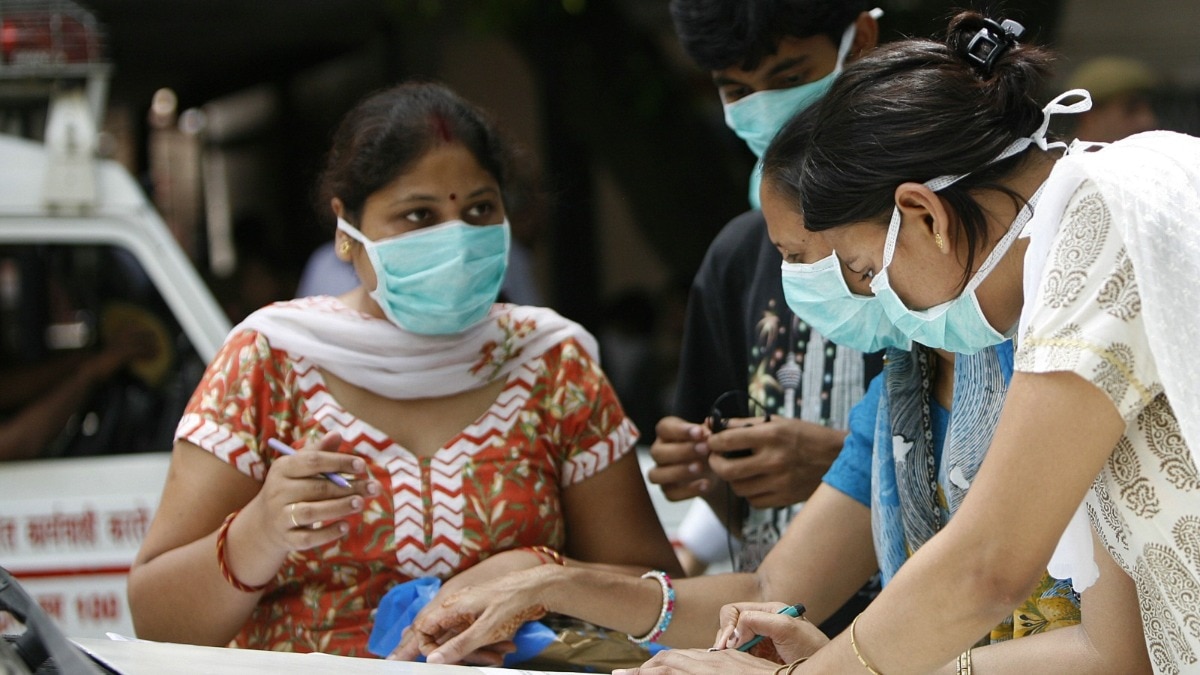
Delhi-NCR is witnessing a sharp increase in H1N1 and other respiratory infections, with doctors and hospital heads testing positive. Several patients have reported a dangerous drop in oxygen saturation, raising alarm over severe breathing complications.
- 1,777 confirmed H1N1 cases in Delhi this year
- Doctors, hospital chief and other officials test positive
- Reports of falling oxygen levels and severe respiratory distress
Current Situation Overview
Delhi-NCR has recorded 1,777 confirmed H1N1 (swine flu) cases so far in 2026, an eight‑fold rise compared with 229 cases during the same period last year. The surge coincides with humid monsoon weather, which traditionally fuels respiratory illnesses.
The Delhi Health Department convened an emergency meeting with the Municipal Corporation of Delhi (MCD) health wing and major hospitals. Authorities were instructed to intensify surveillance, boost preparedness, and enforce health protocols across the capital.
Union Health Minister JP Nadda is slated to meet Delhi’s Health Minister and senior officials from the Ministry of Health and Family Welfare to review the evolving H1N1 scenario.
Medical professionals report an uptick in flu‑like symptoms, and a worrying number of patients are experiencing a sudden drop in blood‑oxygen levels (SpO₂) and acute breathing difficulty. Typical H1N1 symptoms include high fever, dry cough, body aches, headache, sore throat, chills, and fatigue. In severe cases, respiratory distress and hypoxia become critical concerns.
Vulnerable groups—elderly, young children, pregnant women, and individuals with diabetes, chronic heart or lung disease, or weakened immunity—face a higher risk of complications. Early administration of oseltamivir remains the most effective treatment, while antibiotics are reserved for confirmed secondary bacterial infections.
Why This Matters
BozokMedia analysis shows that the sudden spike in H1N1 cases amid monsoon season could strain Delhi’s healthcare infrastructure, especially if oxygen shortages become widespread. Prompt public awareness and vaccination drives are essential to curb a potential surge in severe respiratory cases.
"Delayed treatment can turn a mild H1N1 infection into a life‑threatening condition," warns influenza specialist Dr. Anjali Sharma.
Frequently Asked Questions
Q1: Does the regular flu vaccine protect against H1N1?
A: Yes, most seasonal influenza vaccines contain the H1N1 strain, reducing the risk of infection.
Q2: Can I monitor my oxygen level at home?
A: Portable pulse oximeters allow individuals to track their SpO₂ levels and seek medical help if readings fall below normal.