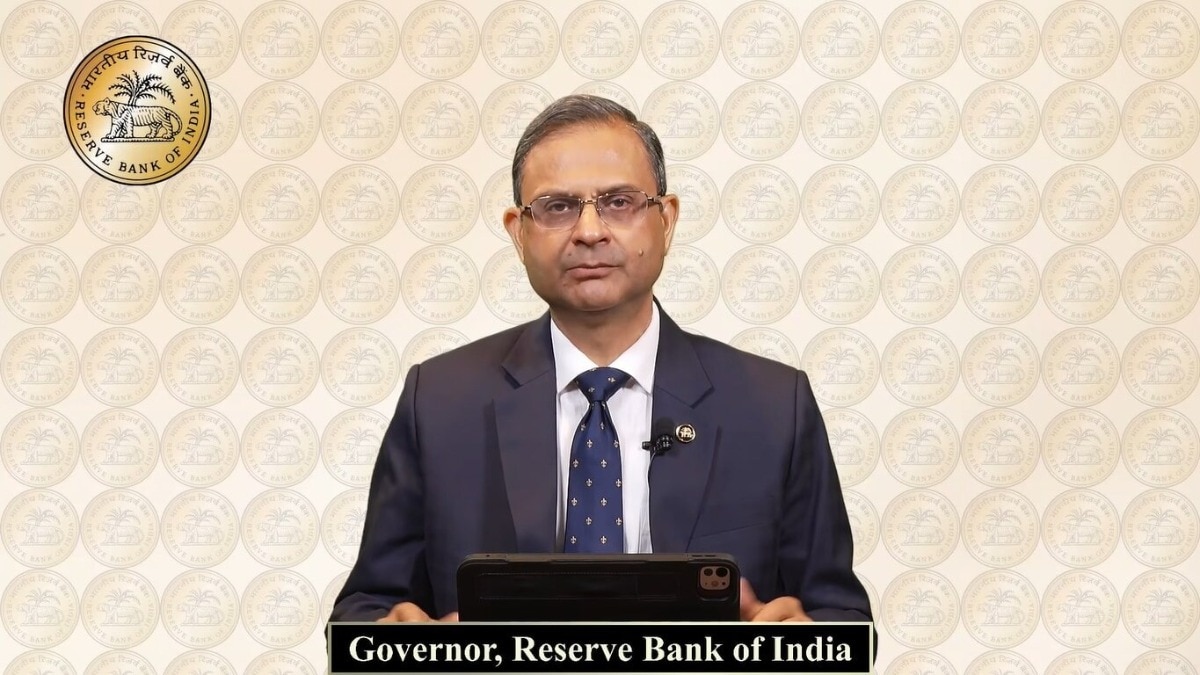
RBI Governor Sanjay Malhotra highlighted El Niño as one of the biggest threats to India's economic outlook during the latest monetary policy meeting. He warned that uneven monsoon rains could spark farm‑output gaps and fuel inflation, influencing future rate decisions.
Key Takeaways
- El Niño identified as a major macro‑economic risk by RBI
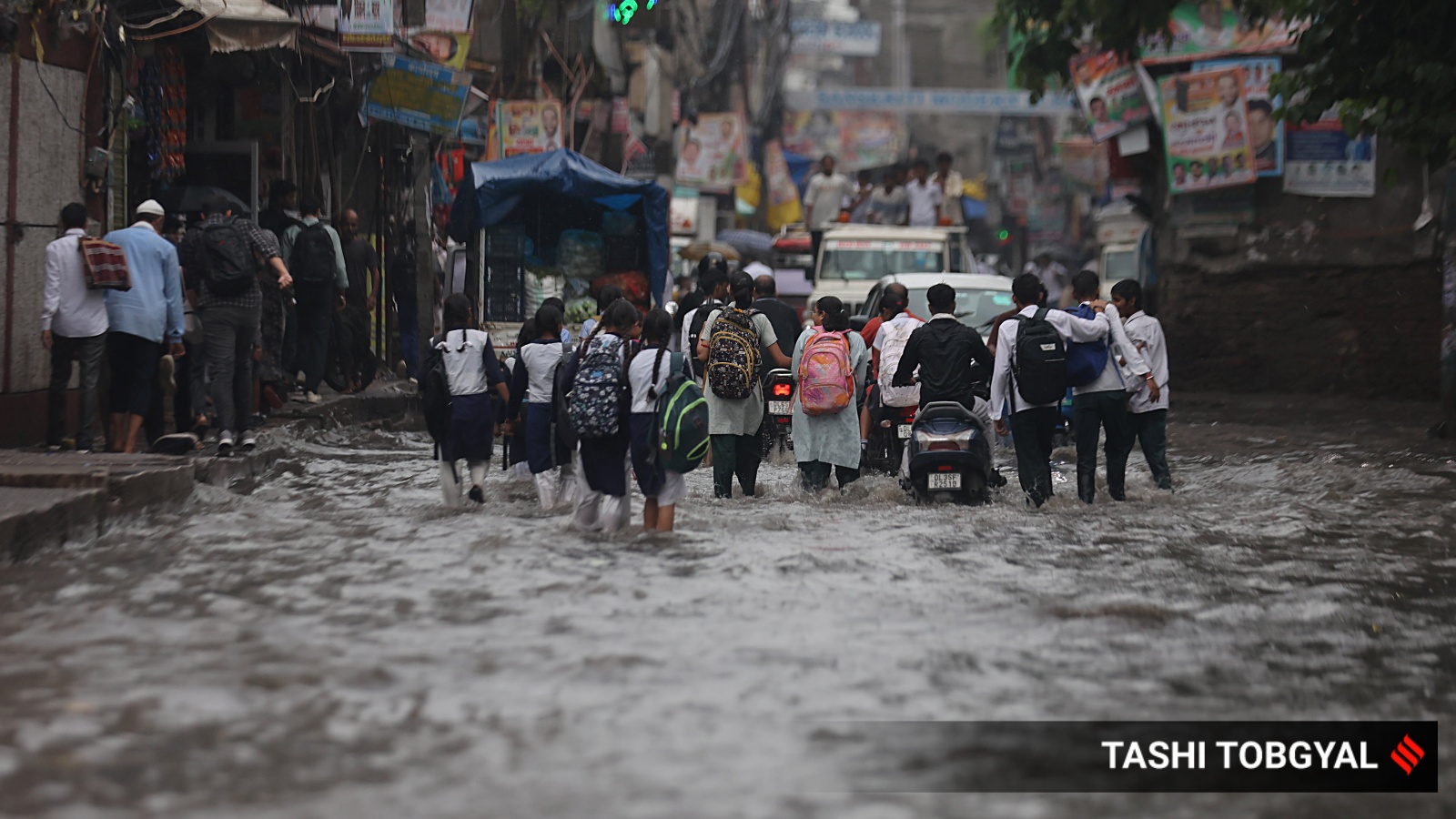
- Deficient monsoon rains could push food inflation higher
- Rate changes will depend on clearer inflation trends
RBI’s Monetary Policy Announcement
New Delhi – On August 5, 2026, the Reserve Bank of India’s Monetary Policy Committee kept the repo rate unchanged at 5.25%. Governor Sanjay Malhotra, however, flagged several uncertainties, chief among them El Niño, geopolitical tensions, volatile crude prices and global trade disruptions.
What the Governor Said
"Looking ahead, the prospects for agriculture are clouded by deficient and uneven monsoons amidst El Niño conditions," Malhotra stated. He added that healthy reservoir levels and government measures such as crop diversification, climate‑resilient farming and water‑conservation could provide a modest cushion for the farm sector.
Historical Background
India has felt the brunt of El Niño twice in the last decade – notably in 2015‑16 and 2019 – when erratic rains led to lower wheat and rice yields and a spike in food prices. Those episodes forced the RBI to adopt a more cautious stance on inflation, underscoring why the weather pattern now features prominently in policy briefs.
Why This Matters
BozokMedia analysis shows that the RBI’s explicit mention of El Niño marks a shift toward climate‑linked macro‑economic planning. If monsoon deficits persist, food‑price inflation could accelerate, making the central bank’s medium‑term target harder to achieve.
"El Niño’s impact transcends weather; it directly shapes price dynamics and growth outlook," noted senior economist Ravi Gupta.
Frequently Asked Questions
Q1: Why does El Niño pose a risk to RBI’s inflation targets?
A: Uneven rainfall reduces crop yields, raising food prices and adding upward pressure on overall consumer inflation.
Q2: Could the RBI raise rates if El Niño worsens?
A: Yes. Should inflation become broad‑based and persistent, the RBI may consider tightening monetary policy.