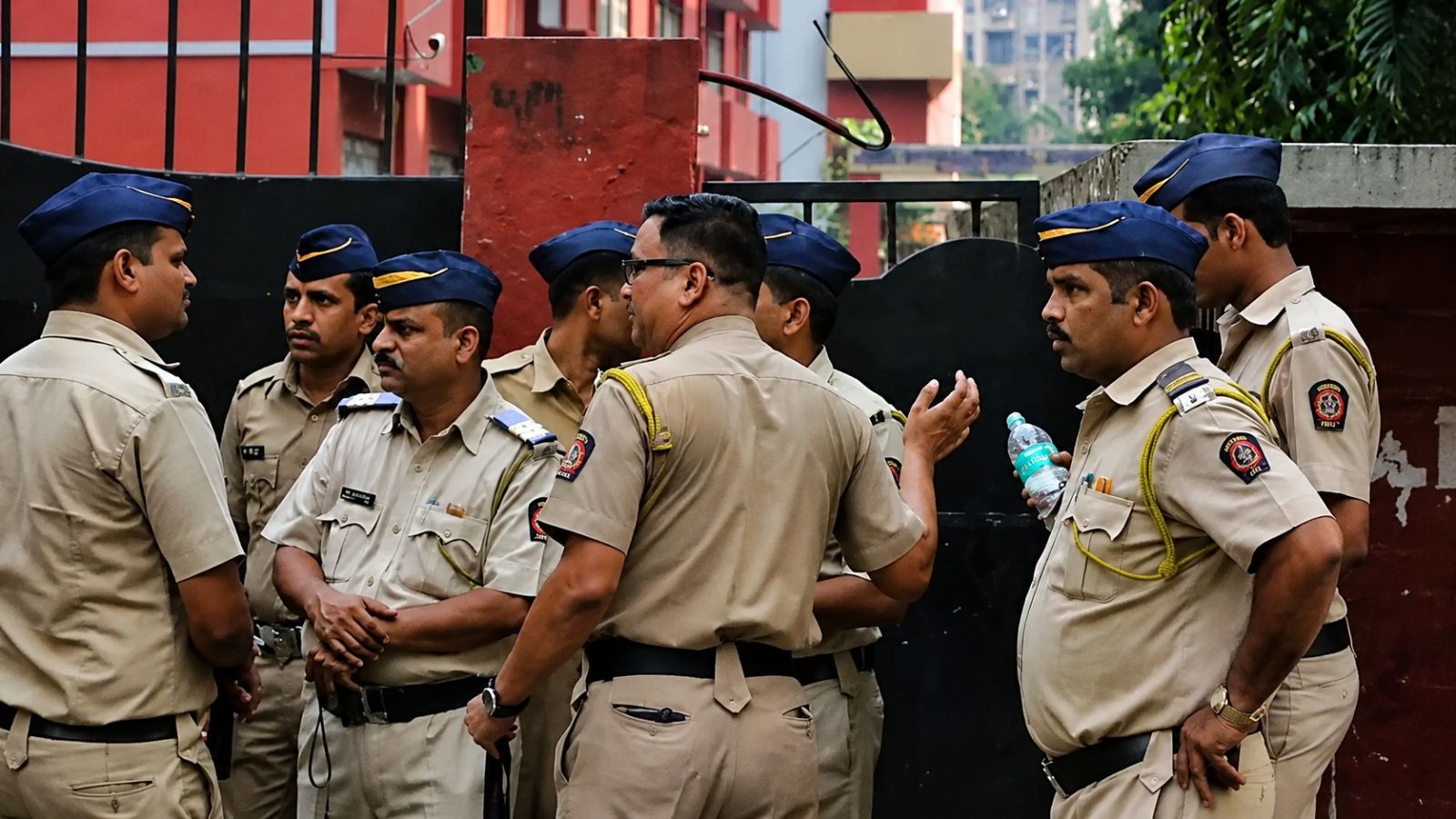
Three daughters of a senior businessman did not attend his funeral, opting instead to send ₹5,100 with a request to handle the rites properly. The incident sparked heated debate across social media platforms.
Key Takeaways
- Three daughters skipped the funeral
- Only ₹5,100 was sent to cover arrangements
- Funeral was watched via video call
The funeral of a senior businessman was held at a local old‑age home, but none of his three daughters were physically present. Instead, they transferred ₹5,100, insisting the ceremony be performed "properly" without their attendance.
Family members reported that the daughters cited time constraints and the burden of arranging the rites, yet they observed the proceedings through a video call. The story quickly went viral, prompting widespread criticism of their detachment from traditional duties.
Historical Background
In India, it has long been customary for close family members to personally attend funeral rites, especially for a patriarch. While urban pressures and digital alternatives have introduced new practices, a complete physical absence remains socially contentious.
Why This Matters
BozokMedia analysis shows that such incidents reflect a growing detachment of younger generations from traditional familial responsibilities, raising questions about cultural erosion and the role of technology in mourning rituals.
"Reducing family obligations to mere financial transactions weakens societal bonds," notes sociologist Dr. Riya Mishra.
Frequently Asked Questions
Question 1: Is digital attendance legally recognized for funeral rites?
Answer: Indian law does not mandate physical presence for funerals, but religious and cultural norms may differ.
Question 2: Could this trend reshape future funeral practices?
Answer: If societal pressure continues, the definition of family duty may evolve, making digital and monetary solutions more commonplace.