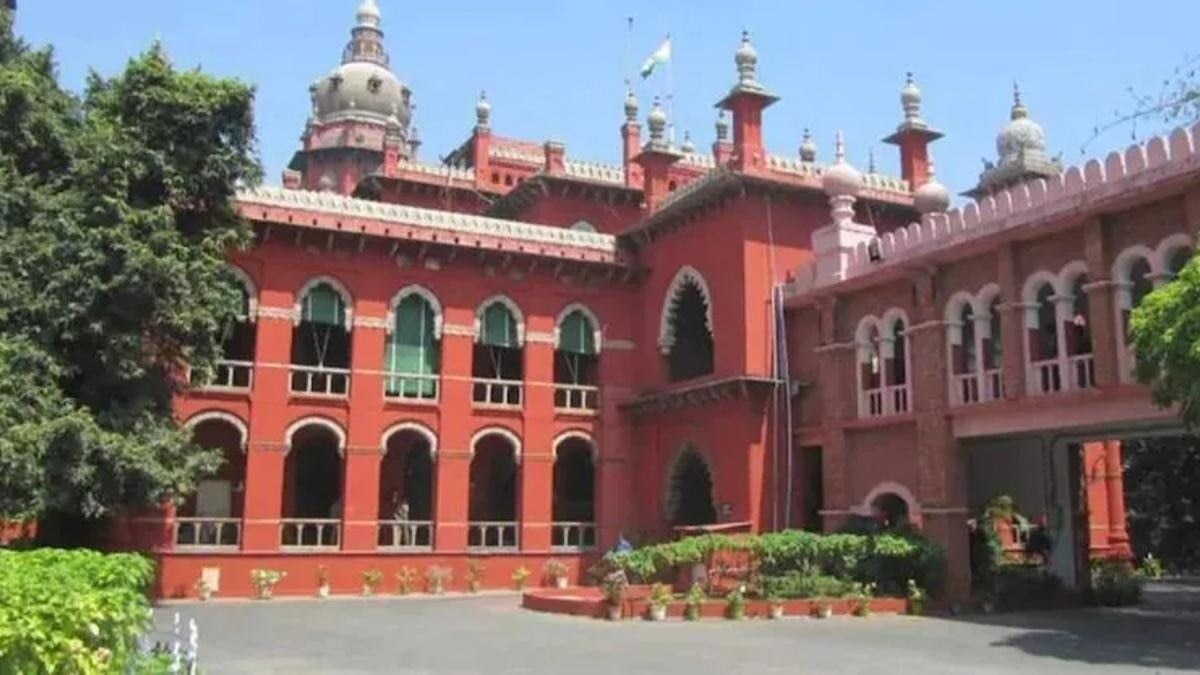
In a major boost to the judiciary, the Centre has notified the appointment of 30 judges across four High Courts, with the Madras High Court receiving the lion's share of 15 appointees.
Key Takeaways
- The Centre has notified 30 new judicial appointments across four High Courts.
- Madras High Court received the highest number with 15 appointees.
- The pool includes 20 advocates and 10 judicial officers.
- Appointments were made by the President in consultation with the CJI and Collegium.
In a significant move to strengthen the country's judicial framework, the Central Government on Saturday notified the appointment of 30 new judges across four High Courts. This strategic move is aimed at filling long-standing vacancies and alleviating the massive burden of pending cases in the Indian legal system.
According to the official notification issued by the Ministry of Law and Justice, the appointments were made by the President of India in consultation with the Chief Justice of India (CJI) and the Supreme Court Collegium. The new batch comprises 20 advocates and 10 judicial officers.
Distribution of New Appointments
The appointments have been distributed among the Madras, Calcutta, Karnataka, and Madhya Pradesh High Courts. The breakdown is as follows:
| High Court | Number of Judges Appointed |
|---|---|
| Madras High Court | 15 |
| Calcutta High Court | 08 |
| Karnataka High Court | 06 |
| Madhya Pradesh High Court | 01 |
The Madras High Court emerged as the primary beneficiary, receiving 15 appointees, including five permanent judges and ten additional judges. The Calcutta High Court received eight additional judges, while the Karnataka High Court saw six new additions. Additionally, senior advocate Amit Lahoti has been appointed as an additional judge to the Madhya Pradesh High Court.
Why This Matters
BozokMedia analysis shows that the judicial backlog in India remains a critical challenge for the rule of law. By increasing the strength of the High Courts, the government and the judiciary are working to accelerate the disposal of cases, which is essential for maintaining public trust in the legal system and ensuring timely justice for millions of litigants.
Filling judicial vacancies is not merely an administrative necessity but a fundamental step toward upholding the constitutional right to speedy justice.
The newly appointed judges are expected to take their oaths and assume office in the coming days, providing immediate relief to the respective high courts.
Historical Background
The process of appointing judges to the High Courts in India is governed by the Collegium System, a mechanism where a group of the most senior judges of the Supreme Court decides on judicial appointments. This system ensures judicial independence, though it has often been a subject of debate regarding transparency and executive involvement.
Frequently Asked Questions
1. Which High Courts received these new appointments?
The appointments cover the Madras, Calcutta, Karnataka, and Madhya Pradesh High Courts.
2. How many judges were appointed in total?
A total of 30 judges have been notified by the Centre.