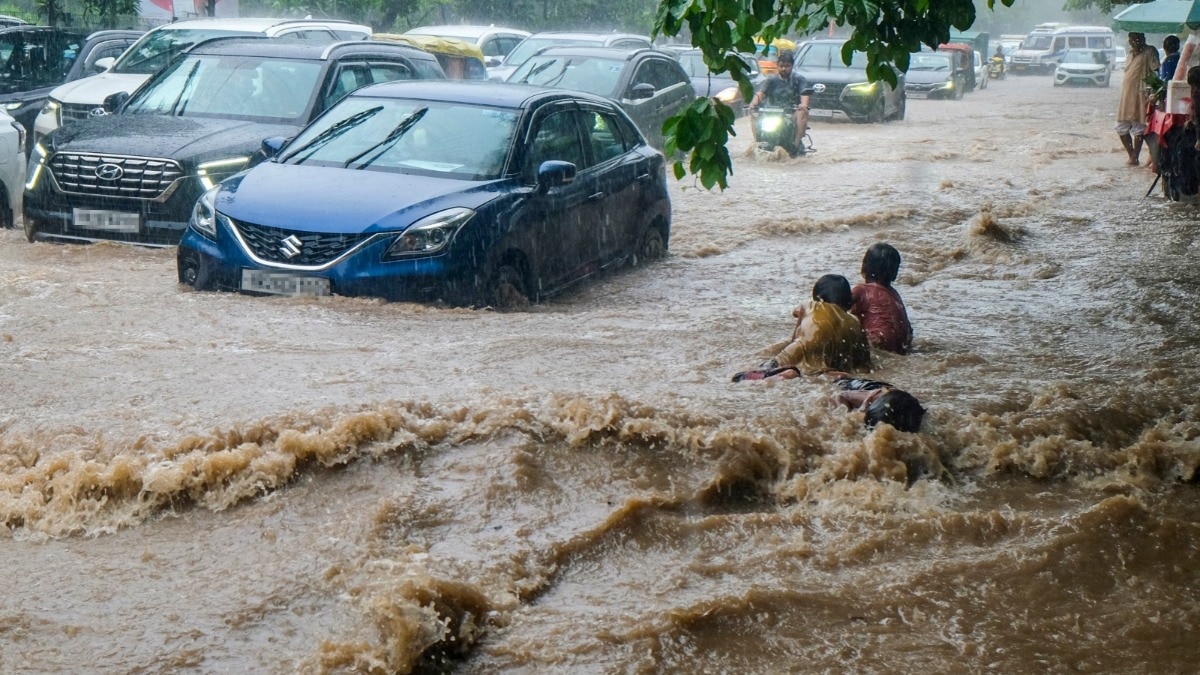
Gurugram’s Deputy Commissioner has instructed corporate and private offices to let staff work from home on August 8 after 60 mm of rain caused flooding and traffic snarls. The move aims to ease road pressure and speed up drainage and repair operations.
Key Takeaways
- Deputy Commissioner Uttam Singh issued a work‑from‑home advisory.
- Gurugram recorded 60 mm of rain, raising flood and traffic concerns.
- The directive seeks to reduce road congestion and facilitate drainage work.
Introduction
The Gurugram administration has advised all private and corporate establishments to allow employees to work from home on August 8. The advisory was issued by Deputy Commissioner Uttam Singh, who also heads the District Disaster Management Authority (DDMA).
Between 8 a.m. and 5 p.m. on August 7, the city logged 60 mm of rainfall, prompting fears of water‑logging and severe traffic disruptions. Officials say limiting commuter movement will enable agencies to carry out water‑drainage, repair, and restoration tasks more efficiently.
Historical Background
Gurugram has faced similar challenges in 2019 and 2021, when intense monsoon rains led to widespread flooding and road closures on major highways. Those incidents prompted temporary office shutdowns and work‑from‑home recommendations, but the current advisory is being implemented more swiftly to mitigate impact.
Why This Matters
BozokMedia analysis shows that reducing commuter movement during peak rainfall not only eases traffic congestion but also accelerates critical infrastructure repairs, safeguarding economic productivity in the NCR hub.
"Delays in drainage work amplify economic losses; allowing work‑from‑home is a pragmatic solution," says urban‑planning expert Dr. Ramesh Kumar.
Frequently Asked Questions
Is working from home mandatory?
No, it is advisory, but many companies have made it mandatory to ensure employee safety.
Which areas are most prone to water‑logging?
Low‑lying zones near Moza, Software, and Cyber City are most vulnerable to water‑logging.