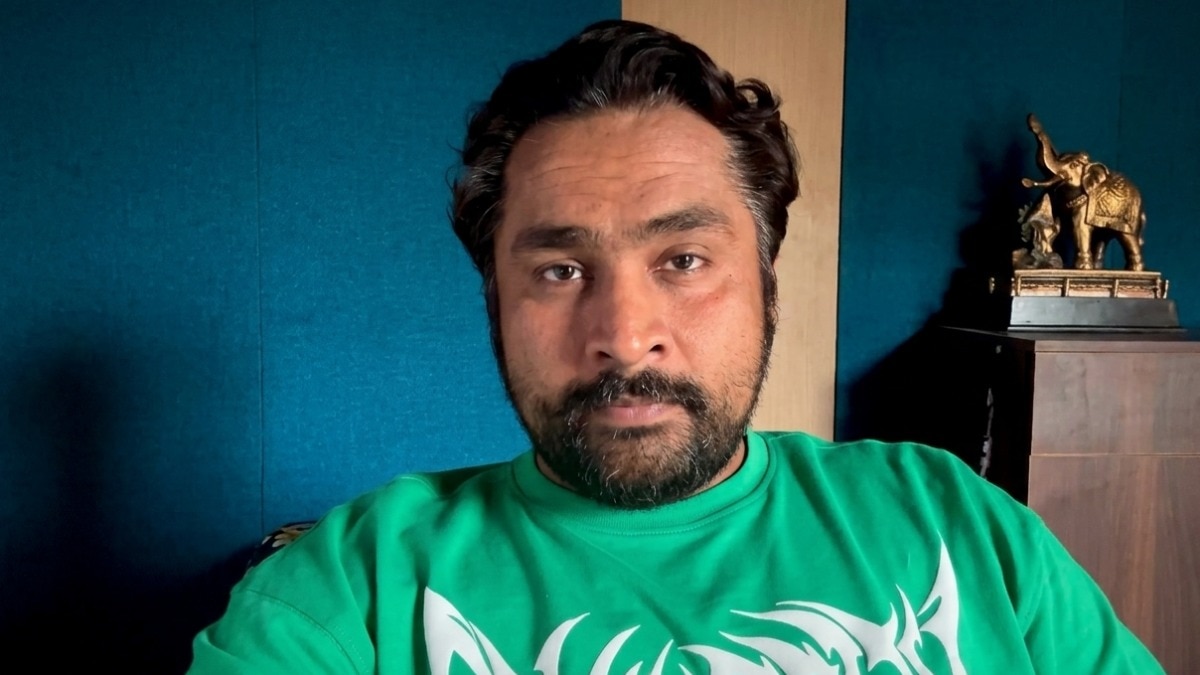
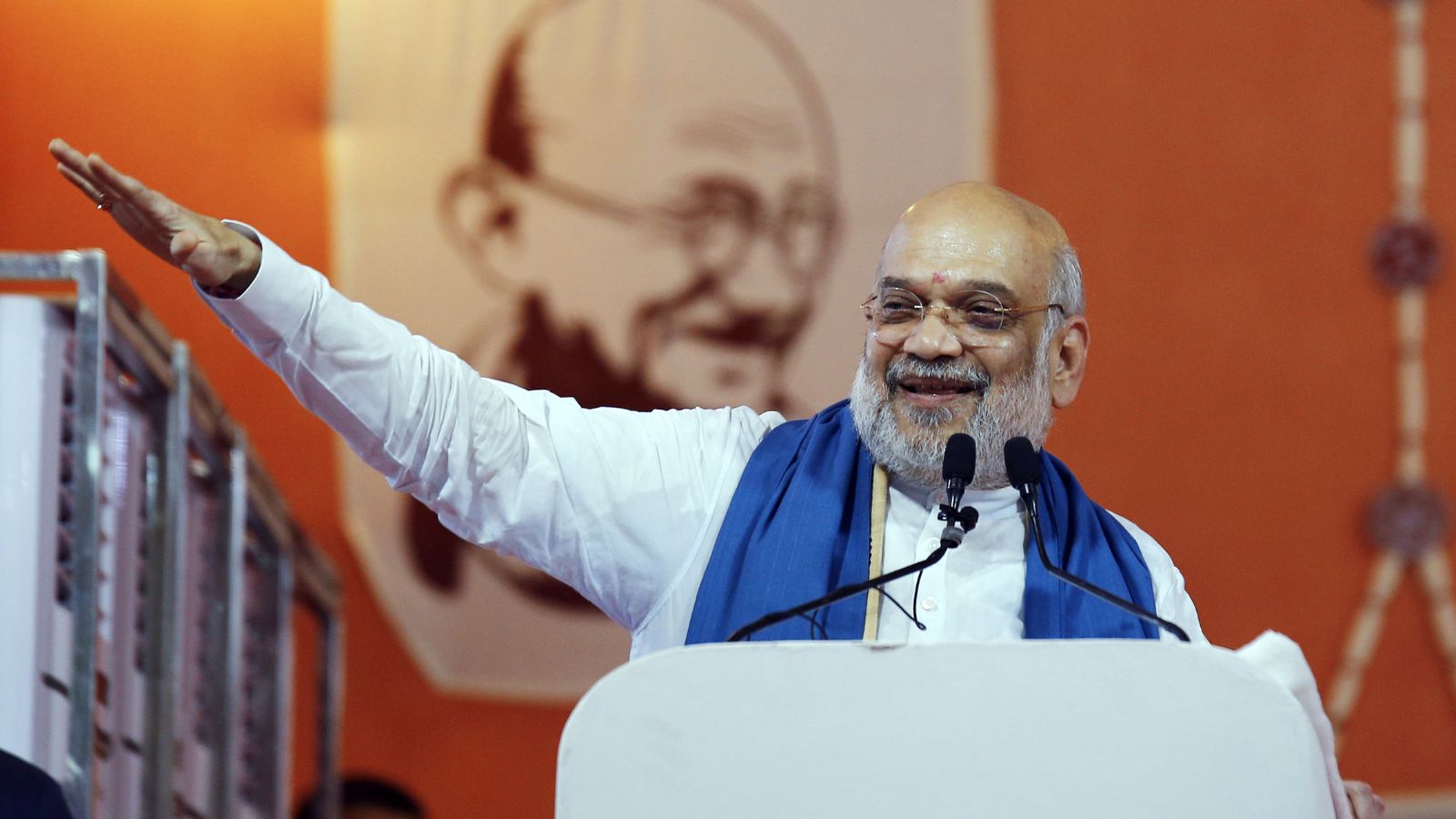
The JNUSU has strongly criticized the JNU administration for revoking permission for a discussion on Umar Khalid's book, citing 'non-disclosure' of program details. While the administration canceled the auditorium booking, the ABVP has claimed credit for the move, sparking a fresh debate on free speech in the university.
Key Takeaways
- JNU administration cancels book discussion citing non-disclosure of full facts by organizers.
- JNUSU condemns the move as a direct attack on democratic expression and student rights.
- ABVP claims credit for pressuring the administration to revoke the venue permission.
The Jawaharlal Nehru University Students' Union (JNUSU) has launched a scathing attack on the university administration following the abrupt cancellation of a scheduled discussion on a book authored by incarcerated student leader Umar Khalid. The administration revoked the permission for the auditorium booking, officially stating that the organizers failed to disclose the full details of the program. This decision has ignited a fierce debate regarding academic freedom and the autonomy of student bodies within the campus.
Historical Background of Campus Politics
JNU has long been celebrated as a bastion of free thought and vibrant political discourse in India. However, the campus has witnessed several clashes in recent years between student groups aligned with different ideologies. The current controversy adds to a series of administrative actions that have been perceived by left-leaning student unions as attempts to stifle dissent. Umar Khalid, a former PhD scholar at JNU, has been a central figure in many of these controversies and is currently facing trial under the stringent UAPA law in connection with the Delhi riots case.
Why This Matters
BozokMedia analysis shows that the cancellation of this event is symptomatic of a shrinking space for dissent in Indian educational institutions. When administrative technicalities are used to silence specific voices, it erodes the foundational principles of a university. The JNUSU argues that this selective censorship creates an environment of fear, preventing students from engaging with critical socio-political issues.
"A university's health is measured not by the safety of its ideas, but by its ability to withstand the most challenging ones without resorting to censorship," says Dr. Rajesh Malhotra, a noted media scholar.
Comparison of Stances
| Party | Argument |
|---|---|
| JNU Administration | The cancellation was procedural due to the 'non-disclosure' of full facts regarding the event by the organizers. |
| JNUSU | The act is politically motivated and violates the democratic rights of students to host discussions on pertinent issues. |
Frequently Asked Questions
Q: Why did the JNU administration cancel the event?
A: The administration stated that the permission was canceled because the organizers did not disclose the full facts and details of the program, violating procedural norms.
Q: What is the ABVP's stance on this issue?
A: The Akhil Bharatiya Vidyarthi Parishad (ABVP) has welcomed the cancellation, with members claiming that they pressured the administration to stop the event from taking place.