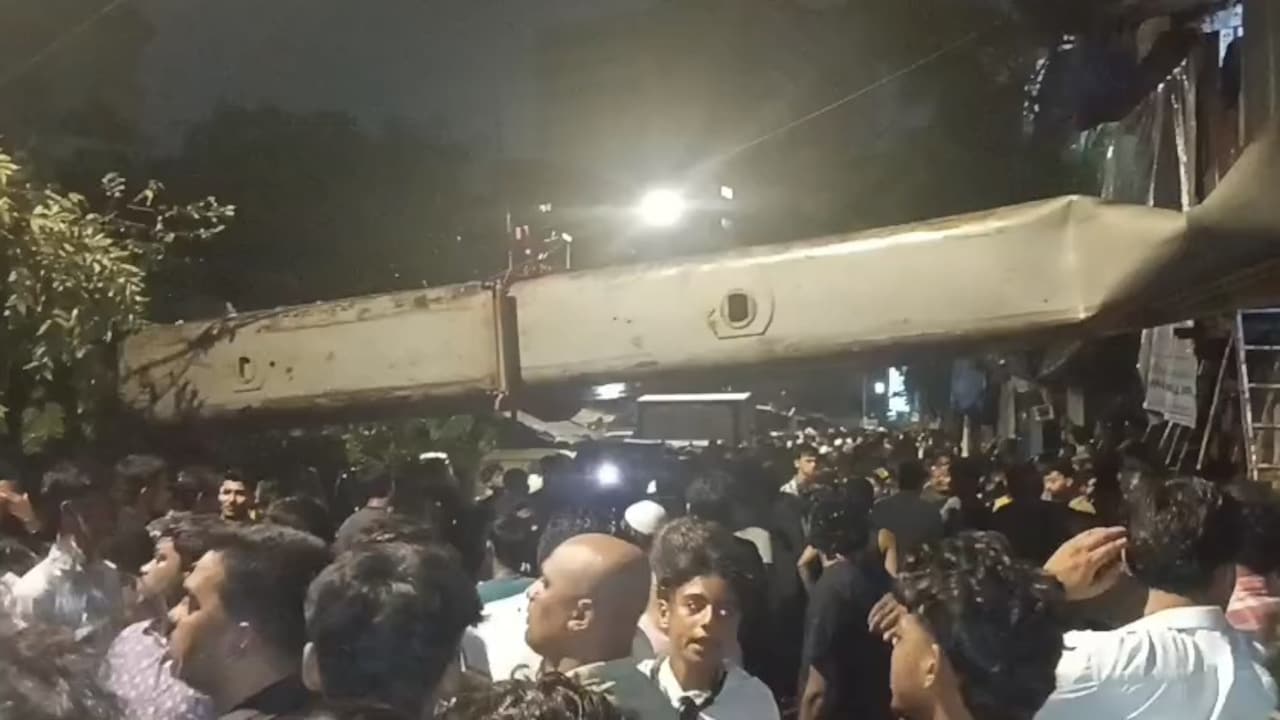
Residents of Easwardass Street in Triplicane forced the Greater Chennai Corporation to halt and redesign a road-relaying project that threatened to turn their neighborhood into a flood zone.
Key Takeaways
- Residents of Easwardass Street, Triplicane, protested against improper road construction by GCC.
- The original plan involved layering bricks over existing cement without addressing drainage.
- GCC has halted work and agreed to a revised plan including proper drainage and removal of old layers.
In a significant victory for community activism, the residents of Easwardass Street in Triplicane have successfully intervened to prevent a major infrastructural blunder. The Greater Chennai Corporation (GCC) had initiated road-relaying work that involved laying interlocking cement bricks directly over an existing cement layer. Had the residents not protested, the street would have effectively become a watertight trough, leading to severe flooding during the upcoming monsoon.
The Core of the Dispute
The primary concern raised by the local community was the lack of a functional stormwater drainage system. Because the street is already narrow and the road level had been raised by previous cement work, adding another layer of bricks without creating a slope or drainage channel would have trapped rainwater on the surface. Residents argued that if new bricks were to be laid, the old cement layer must be stripped away first to maintain proper levels and water flow.
Why This Matters: BozokMedia Analysis
BozokMedia analysis shows that this incident highlights a recurring flaw in urban civic works: prioritizing surface-level aesthetics over functional engineering. When municipal bodies opt for 'quick fixes' like layering materials instead of addressing underlying drainage issues, they inadvertently increase the vulnerability of the neighborhood to climate-related disasters like the North East Monsoon.
The organized resistance by the Easwardass Street residents serves as a blueprint for how localized civic engagement can correct administrative oversights.
Following the formal protests, officials from GCC Zone 9 responded by halting the construction and beginning the removal of the newly laid blocks. The revised engineering plan will now focus on stripping the existing cement layer and relaying the road with interlocking bricks designed alongside proper drainage provisions.
Historical Background
Triplicane is one of Chennai's oldest and most densely populated residential areas. Its narrow lanes and historical layout make it particularly susceptible to waterlogging, making efficient drainage management a critical necessity for the local administration.
Frequently Asked Questions
1. What was the specific mistake in the GCC's plan?
The plan failed to account for drainage, attempting to layer new bricks over old cement, which would have prevented rainwater from escaping.
2. What is the revised plan for Easwardass Street?
The GCC will now remove the old cement layer and rebuild the road with interlocking bricks and integrated drainage channels.