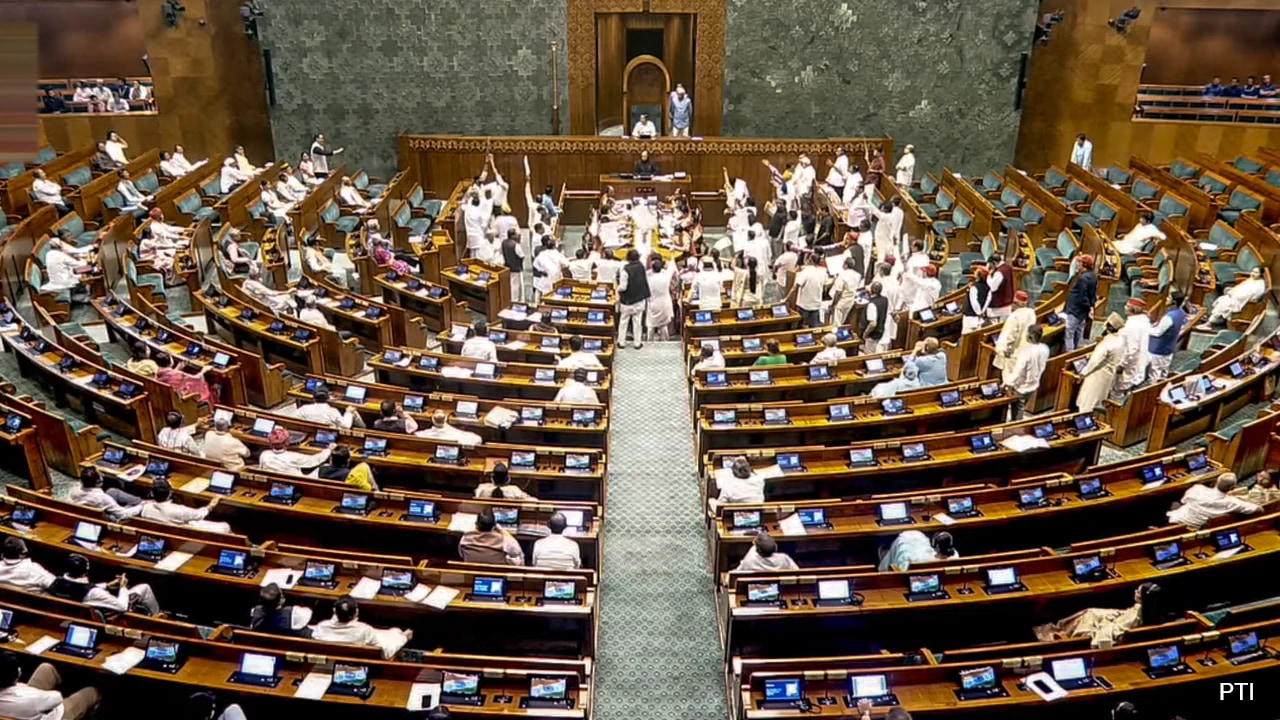
The Monsoon Session began on July 20 and will run until August 13. The Congress party and its allies have vowed to oppose several key bills, many of which are absent from today’s agenda.
Key Takeaways
- The Monsoon Session runs from July 20 to August 13.
- Congress and allies plan to oppose major bills.
- Several important bills are missing from today’s agenda.
India’s Parliament kicked off the Monsoon Session on July 20, slated to conclude on August 13. While the schedule originally promised robust debate on a range of legislation, today’s sitting saw a conspicuous absence of several flagship bills.
The Congress party, together with its principal allies, has publicly declared its intention to block these bills, arguing that they compromise transparency, social justice, and fiscal prudence.
Historical Background
The Monsoon Session has historically been a crucible for major reforms. Since the economic liberalisation of the early 1990s, this session has seen the passage of landmark legislation that shaped India’s growth trajectory, including financial reforms, welfare schemes, and security measures.
Why This Matters
BozokMedia analysis shows that the absence of key bills signals possible political deadlock, which could delay critical reforms and affect investor confidence ahead of the upcoming fiscal year.
"If the flagship bills fail to pass this session, it raises serious questions about the efficiency of India’s parliamentary process," notes political analyst Dr. Anita Sharma.
Frequently Asked Questions
Question 1: Which major bills are missing from today’s agenda?
Answer: Key proposals on agricultural reforms, the National Education Policy, and public financial management were not discussed.
Question 2: What could be the impact of continued opposition to these bills?
Answer: Ongoing resistance may delay enactment, potentially slowing down economic and social initiatives slated for the next fiscal year.