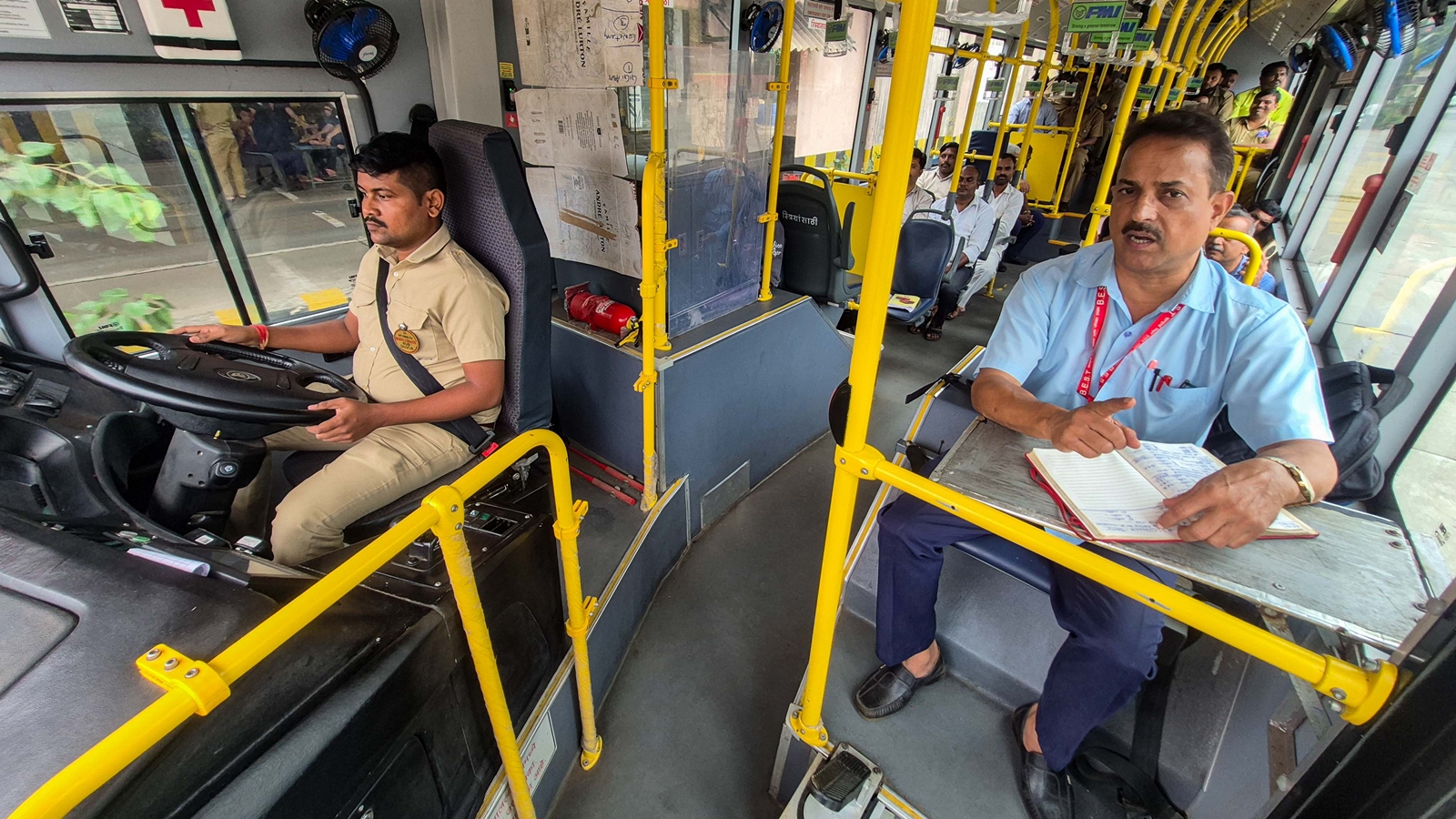
Mumbai's BEST bus fleet subjects fresh recruits to a 28‑day intensive training program, yet recent fatalities involve seasoned drivers who have been on the road for years. The clustering of accidents raises serious questions about the adequacy of current training methods.
Key Takeaways
- New BEST drivers undergo a 28‑day rigorous training regime
- Most fatal crashes involve veteran drivers
- Each major accident now triggers a mandatory three‑day refresher course
On the afternoon of its 79th Foundation Day, a pedestrian was fatally struck by a BEST bus in Mumbai, underscoring the stakes of driver safety. At the Dindoshi training centre, fresh recruits are first shown CCTV footage of the company's own accidents, prompting intense discussion on how each incident could have been avoided.
Historical Background
BEST, founded in 1945, has been the backbone of Mumbai’s public transport for nearly eight decades. Since 1997, the Dindoshi centre has trained thousands of drivers and conductors, yet recent statistics reveal a persistent pattern of accidents that have not diminished over time.
Why This Matters
BozokMedia analysis shows that despite intensified classroom sessions, fatalities remain clustered, indicating a gap between theoretical training and on‑road realities. This not only endangers passenger lives but also erodes public confidence in the city’s transport system.
"Showing crash footage alone is insufficient; drivers need real‑time, on‑road simulation to internalize safe practices," says traffic safety expert Dr. Rajesh Mehta.
Frequently Asked Questions
Q1: How long is the initial training period for new recruits?
A: They undergo a 28‑day blend of classroom theory and practical driving before they are allowed to carry passengers.
Q2: How often are refresher courses conducted for veteran drivers?
A: After each major accident, a mandatory three‑day refresher is scheduled, broken into half‑hour slots before shifts.